REVIEW · MOOREA
Half Day Small Group Whale Watching
Book on Viator →Operated by Moorea Sea Experience · Bookable on Viator
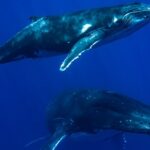
Six people. One whale of a day. In Moorea, you’re out on the water looking for humpback whales, with a trip run to keep things calm for the animals and comfortable for you. Best season is Aug–Nov, when these big Antarctic visitors show up in French Polynesia waters.
I like the small group setup a lot—this is capped at 6, and you can feel the difference once you’re in the water. And I really love how the guides matter here: Mana is a name that comes up again and again for clear instructions and whale-respectful behavior, and Johnny is another guide people single out for calm, patient coaching.
The main thing to consider is motion sickness. This is open ocean, and good swimming helps, so take sea-sickness prevention if you’re even a little prone to it.
In This Review
- Key things that make this whale-watching trip work
- Aug–Nov is the money season for humpbacks in Moorea
- The 6-person boat: why it feels calmer in the water
- From Coco Beach to whale-spotting: the first stretch on the water
- How the captain and guide get you close without stressing whales
- Snorkeling session: gear is included, but comfort is on you
- What’s served onboard: small comforts that make the ride better
- Price and value: $267.22 makes more sense with the small-group tradeoff
- Who this tour is best for (and who should think twice)
- Practical tips so you get the most out of your 4-hour outing
- Should you book this Moorea small-group whale watching?
- FAQ
- How long is the whale watching tour?
- What’s the meeting point in Moorea?
- When can you typically see humpback whales?
- How many people are on board?
- Is snorkeling equipment included?
- What food and drinks are provided?
- What happens if weather is bad?
Key things that make this whale-watching trip work
- 6 people maximum on board: less crowding in the water and a quieter approach for whales
- Guides like Mana and Johnny: people praise their instruction and whale care
- Snorkel gear included: fins, mask, and snorkel are provided
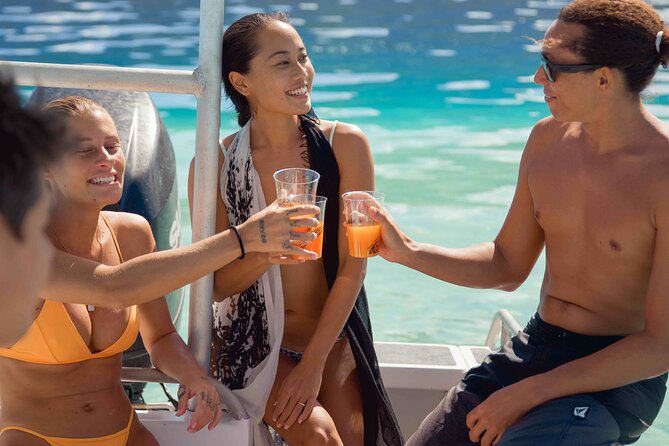
- Fruit and drinks onboard: water, juice, and punch, plus fresh fruit
- Seasonal humpback sightings (Aug–Nov): when the whale season aligns with Moorea
- Whale-friendly rules: the small capacity is designed to reduce disturbance
Aug–Nov is the money season for humpbacks in Moorea
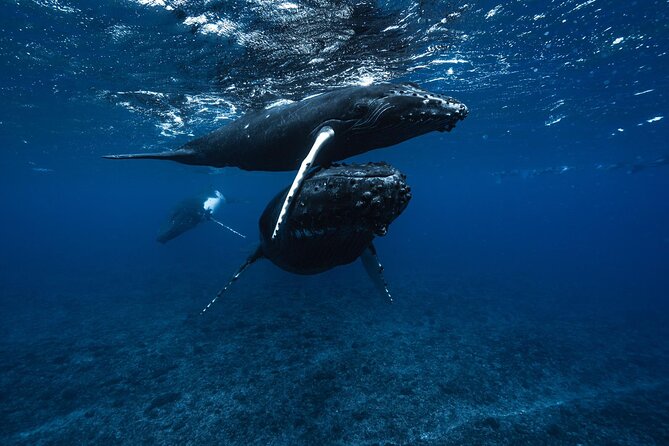
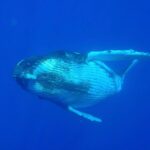
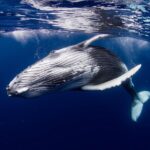
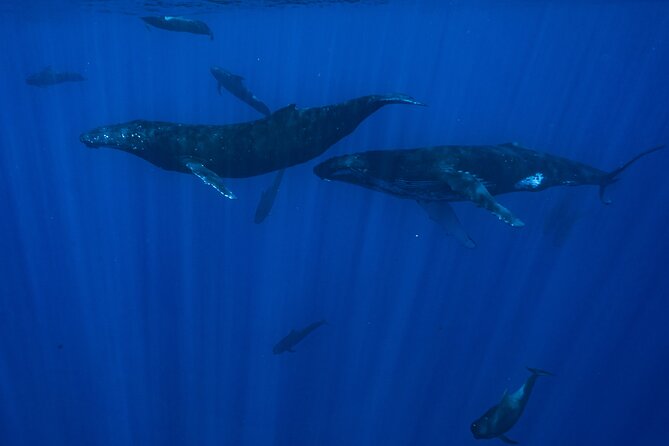
Humpback whales are the star here, and the timing is the whole game. From August to November, there’s a solid chance to spot whales as they move through these waters—often described as coming from Antarctica. In plain terms, this is not a “maybe someday” experience. It’s scheduled around when the whales are most likely to be there.
What that means for you: you’re planning around the calendar, not just luck. If you’re visiting during those months, this tour becomes a top practical choice for whale time, especially if you want to get out and do it without juggling a dozen tour variables.
You can also read our reviews of more whale watching tours in Moorea
The 6-person boat: why it feels calmer in the water
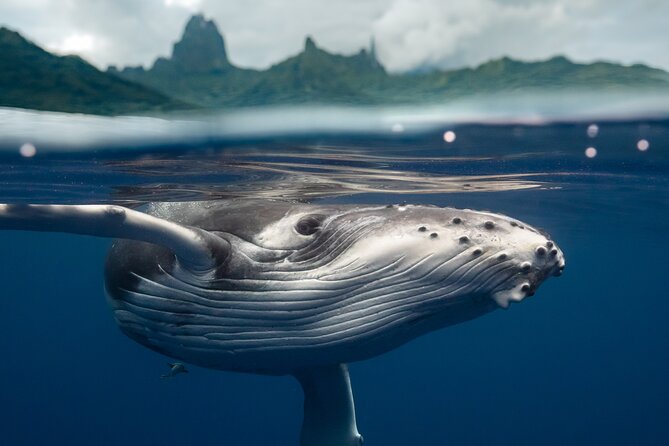
Most boat tours around whale watching are crowded, and you can see it instantly when groups splash in together. Here, the operator keeps the boat capacity to 6 people maximum—about half the size of many larger boats on the market.
That small headcount has real-world benefits:
- More control when you’re getting in the water (less chaos, fewer crossed paths)
- Better whale handling by the captain and guide, since they can track who’s where
- A quieter vibe underwater, which matters when the goal is to watch without pushing the animals around
You’ll also notice the crew focus. The format is built around individualized attention, which is why people mention two experienced crew members onboard and explain you’ll get clear directions before you enter the water.
From Coco Beach to whale-spotting: the first stretch on the water
The action starts at Coco Beach Restaurant Parking, PK 24, Moorea-Maiao, French Polynesia. The trip ends back at the same meeting point, so you don’t need to figure out a complicated end-location after you’re back on land.
Once you’re underway, you’ll feel the “small boat” rhythm right away. There’s no waiting around for a huge group to settle. It also means your comfort matters quickly: strap down what you brought, keep yourself balanced, and listen when the crew explains what to expect in the water.
A big practical point from real-world feedback: being in fairly good physical shape and being a good swimmer helps. Not because you’re doing a workout. Because you’re sharing open water with large animals and you need to be confident and steady if you’re asked to hold position, float, and follow timing.
How the captain and guide get you close without stressing whales
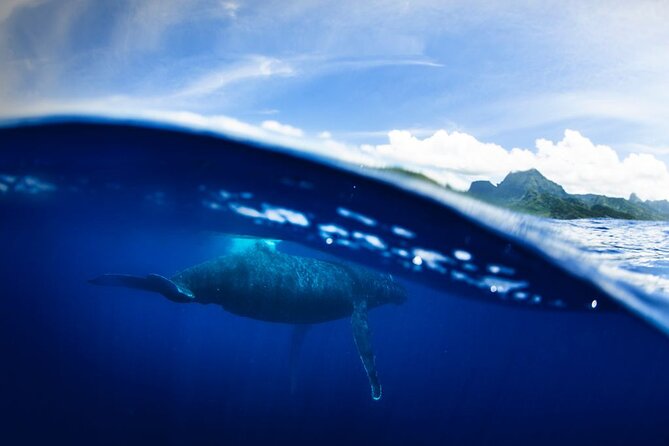
The operator’s approach is simple: respect the tranquility and well-being of the animals. The small-group size is part of that philosophy. Fewer people means less disturbance, and it also makes it easier to observe whale behavior instead of constantly interrupting it.
On the water, you’re not just riding around hoping. You’re with a captain and guide who aim to get the right proximity while still following whale-respect guidelines. Reviews repeatedly point to the crew knowing where to take people for good sightings and close viewing opportunities.
What you can reasonably hope for:
- Seeing whales surfaced and active around your boat area
- Spending real time with whales rather than a quick pass-by
Some visitors even describe long snorkel sessions—over an hour in the water—when conditions lined up.
Also, you may get amazing “family” moments. One memorable account describes swimming with a group including mama, calf, and dad, and seeing them more than once during the same outing.
Snorkeling session: gear is included, but comfort is on you
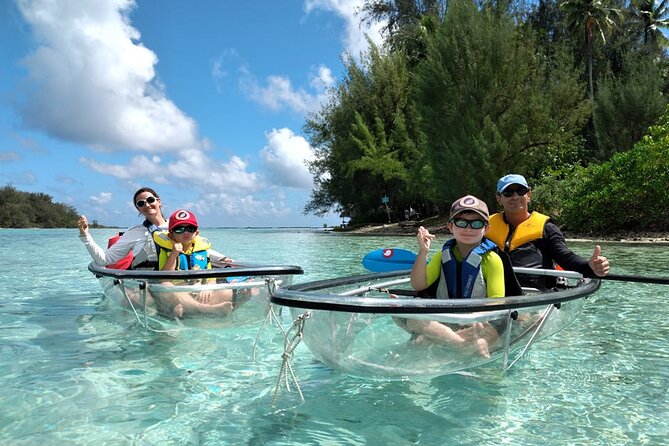
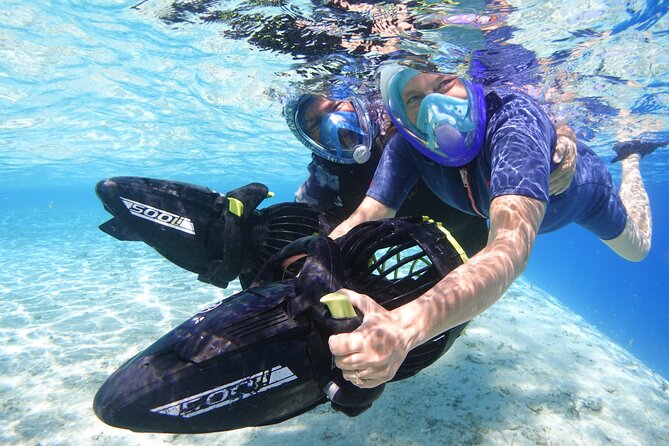
Snorkeling gear is provided: fins, a mask, and a snorkel. That’s a big value piece because it removes a common hassle on island trips. If you’re traveling light, this is the kind of inclusion that saves both time and money.
Now for the part you should plan for: the water element can mean you’re out on the ocean with wind and swell. That’s where comfort and preparation matter more than people expect.
Here’s what I’d take from the experience setup:
- You’ll get guidance before entering the water, and the crew’s goal is to help you stay safe and follow instructions
- If you’re a relative snorkeling beginner, you still may be able to participate, but you should be comfortable in open water and ready to listen closely
- Motion sickness can hit some people hard. Several accounts recommend taking motion sickness medicine beforehand, because sea conditions can force some people to sit out
If you’re worried, do two things: pack prevention (as you normally would for boat rides), and be honest with yourself about your swimming confidence.

What’s served onboard: small comforts that make the ride better
This is a half-day, but you’ll still get thoughtful basics. Fresh fruit is served, along with drinks: water, fruit juice, and punch.
Why it matters: after you’ve been in the water (or even just waiting for the whales), having real refreshments helps you feel human again, not just “survived the ocean.” It’s also a nice reminder that the trip isn’t only about the action. It’s built to keep you comfortable throughout the full 4-hour experience.
Price and value: $267.22 makes more sense with the small-group tradeoff
At $267.22 per person for about 4 hours, it’s not a budget activity. But here’s the value logic that holds up:
- You’re paying for a small capacity (6 people) and the operational choices that come with it
- You’re getting snorkel gear included, plus drinks and fruit
- You’re paying for a crew that’s focused on whale-respectful behavior and not just packing the boat and moving on
If you compare this style of trip to larger-boat whale watching, the difference often comes down to how much attention and space you get. With 6 people, the crew can actually manage the water time and keep the experience smoother.
So my take: this price can feel fair when you want a calmer experience with real water time and guidance. If you’re purely bargain hunting, you’ll find cheaper whale options—but they usually come with more crowding tradeoffs.
Who this tour is best for (and who should think twice)
This whale watching works best if you want:
- A small-group experience over a big-boat scene
- A focus on humpback whales during Aug–Nov
- A guided snorkeling experience with gear provided
You should think twice if:
- You get sea sick easily (plan prevention, seriously)
- You aren’t comfortable in open ocean settings
- You have limitations that make swimming or floating unsafe for you
The tour lists a moderate physical fitness level requirement. In practice, that translates to being able to handle a boat ride, follow instructions, and participate in the water portion if you choose to.
Practical tips so you get the most out of your 4-hour outing
You’ll likely do best if you treat this like a real water day, not a casual stroll.
Bring:
- Your best anti-sea-sickness plan (and follow your doctor’s advice if you need guidance)
- Sunscreen and a hat (even on partly cloudy days, the sun can be intense)
- A good sense of when to relax and when to stay alert in the water
Also, listen closely to what Mana (or Johnny, depending on who’s guiding that day) teaches. The repeated theme is clear instruction and patience—especially for people less experienced in open-ocean snorkeling. If you stay with the plan, you’ll spend more time enjoying whales and less time worrying about what to do next.
Should you book this Moorea small-group whale watching?
If you’re traveling during Aug–Nov and you want the best shot at meaningful humpback time, I’d book this. The small 6-person setup is the big reason: it supports both better observations and a calmer experience in the water. Add in included snorkeling gear, onboard fruit and drinks, and crews like Mana and Johnny who are praised for how they manage people, and the trip feels built for quality—not volume.
Book it confidently if you can handle open water and you take motion sickness seriously. If sea conditions usually knock you out, plan prevention early and be ready that you might need to sit out the water if conditions get rough.
If you want, tell me your travel month and whether you’re a confident swimmer. I can help you decide if this is the right fit for your exact trip timing and comfort level.
FAQ
How long is the whale watching tour?
It runs for about 4 hours.
What’s the meeting point in Moorea?
The start point is Coco Beach Restaurant Parking, PK 24, Moorea-Maiao, French Polynesia. The tour ends back at the same meeting point.
When can you typically see humpback whales?
The tour specifically notes humpback whale viewing chances from August to November.
How many people are on board?
There’s a maximum of 6 travelers on the boat.
Is snorkeling equipment included?
Yes. Fins, a mask, and a snorkel are available if you need them.
What food and drinks are provided?
Fresh fruit is served, along with drinks including water, fruit juice, and punch.
What happens if weather is bad?
This experience requires good weather. If it’s canceled due to poor weather, you’ll be offered a different date or a full refund.