REVIEW · MOOREA
Humpback whale watching and marine life in Moorea
Book on Viator →Operated by Pacifik Attitude · Bookable on Viator
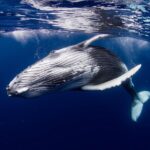
One day with humpbacks is never just sightseeing. In Moorea, Pacifik Attitude turns a short boat outing into a respect-first ocean experience focused on real encounters and what each species means for the lagoon. It runs during the humpback season from 20 July to 20 November and centers on getting you observing, not rushing.
I especially like how the crew explains what you’re seeing, with guides such as Mata, O’Neil, Doris, Chewy, and Chewie described as both informative and careful around wildlife. I also love the chance to go beyond whale watching with other marine life, plus on-water moments that can include swimming when conditions allow.
One thing to consider: whale sightings and swimming are never guaranteed. The trip depends on weather and sea conditions, and some days can mean whales are farther out or the water is too rough.
In This Review
- Key highlights you should know before you go
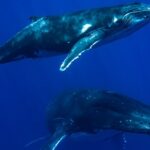
- Humpback whales in Moorea: a short window with big magic
- Pacifik Attitude and the crew style that makes a difference
- The 3-hour on-water plan: what you’ll do and why it works
- First, you meet and get oriented
- Then, you go searching in the right zones
- Finally, you either observe or swim (depending on conditions)
- Meeting points in Moorea: Hauru Public Park vs Pacifik Attitude
- What you can spot besides humpbacks: the marine life buffet
- Swimming with humpbacks: what’s possible and what to expect
- Value for $327.95: does it make sense?
- Who should book this and who might pass
- Should you book Pacifik Attitude’s humpback and marine life tour?
- FAQ
- How long is the Pacifik Attitude humpback whale and marine life tour?
- When is humpback whale watching allowed in French Polynesia for this experience?
- Where do I meet in Moorea?
- How early does the tour run?
- Can children go on board?
- What if the weather is poor?
- How does cancellation work?
Key highlights you should know before you go
- Humpback season window: whale watching is allowed in French Polynesia from 20 July to 20 November.
- Respect-led approach: guides aim for calm, controlled encounters with wildlife.
- Marine life mix: beyond humpbacks, you may see spinner dolphins, turtles, stingrays, sharks, and lots of fish.
- Small-boat feel: at least some departures are reported as only 8 passengers, which helps the experience feel personal.
- They try for location and sound: crews have been described as using a marine microphone to help detect singing whales.
- Swimming depends on conditions: when the sea cooperates, swimming can happen; when it doesn’t, you may only observe.
Humpback whales in Moorea: a short window with big magic
Moorea is one of those places where the ocean feels close. The water isn’t just scenery here. It’s a working ecosystem, and humpbacks are a key part of why people come back every year.
The season matters. This experience is tied to the allowed humpback whale watching period in French Polynesia, running from 20 July to 20 November. Outside those dates, you simply won’t be targeting the same kind of humpback activity. So if your travel dates are flexible, matching your trip to that window is the easiest way to raise your odds.
Also, this trip has a clear message: it’s about sharing the ocean with animals, not taking over their space. The description from the operator is heavy on reconnecting people with nature in a respectful way. And the guest feedback backs that up, especially around how the guides explain behavior and keep the interaction calm.
You can also read our reviews of more whale watching tours in Moorea
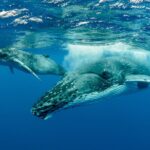
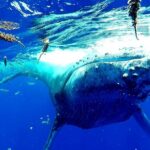
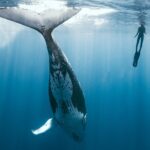
Pacifik Attitude and the crew style that makes a difference
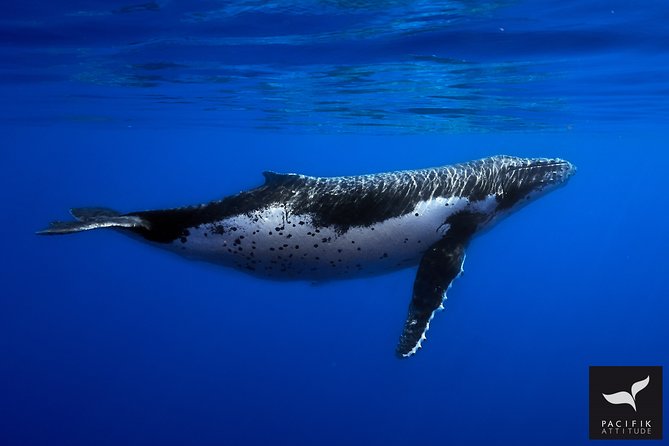
A whale trip is only as good as the crew’s attitude. This one has a lot going for it in that department.
The guides you’ll hear about include Mata, O’Neil, and Doris, and the captains are mentioned by name too, including Chewy/Chewie and Captain Ikeo. Across the praise, the common thread is that they’re not just pointing at whales. They’re explaining what you’re looking at and why it matters. That can turn a random sighting into a moment that makes sense.
Two practical things I like about their approach:
First, the guidance is described as both informative and respectful. That matters because humpbacks can be curious, and you want a crew that knows how to respond to that without crowding or pushing.
Second, you get an experience that’s built around observation. The operator’s theme is balancing people with nature, and in practice that shows up as patient searching and position changes rather than rushing you to the next spot.
One more detail from the feedback that’s worth taking seriously: crews have been described as using a marine microphone to help locate humpback singing activity. That kind of tool doesn’t guarantee a whale, but it can make the searching more effective—especially when whales are deeper or harder to see.
The 3-hour on-water plan: what you’ll do and why it works
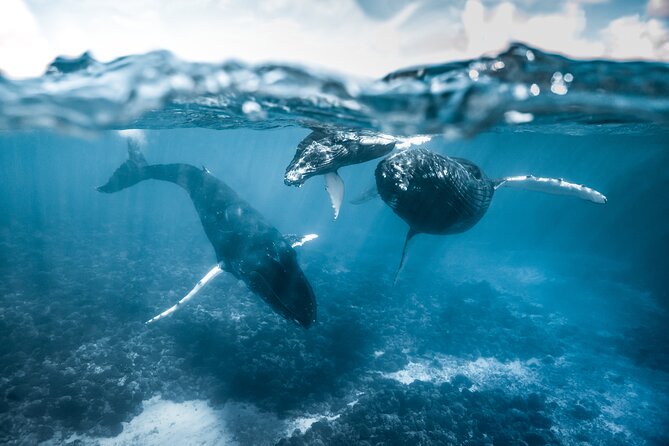
Think of this as a half-day conversion: you trade part of your morning (or your early day) for maximum ocean time. It’s listed at about 3 hours, which is perfect in Moorea because you don’t want an all-day schedule for something that’s weather-driven.
Here’s how the experience generally unfolds in real life:
First, you meet and get oriented
You’ll meet at a local parking area or directly at the operator’s meeting point, depending on the time of year (more on that below). The early start is consistent with whale watching, and the hours listed for the operator run from early morning (either 5:30 AM or 5:00 AM depending on the date range) until evening. So you’re not stuck in a vague afternoon slot. You’re going out when the ocean is often calmer and whales are easier to find.
You’ll also get a short safety and snorkel-style briefing if swimming is in the plan. In feedback, Doris is specifically mentioned for a safety brief and clear explanations.
Then, you go searching in the right zones
Expect a sailing/searching phase. This is where the captain’s spotting skills and the guide’s scanning matter. One guest described whales being detected at long distance and then getting more informative as the team explained what they were seeing. In rougher conditions, you might still spot whales but not get close enough for swimming.



Finally, you either observe or swim (depending on conditions)
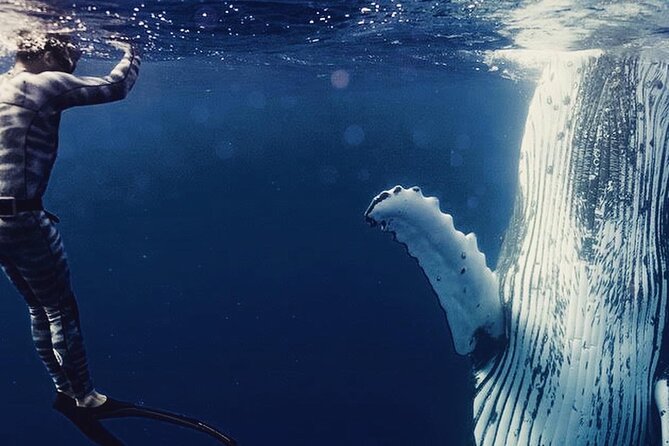
This tour’s standout moments, when they happen, are described as close-range encounters and time in the water. Guests mention swimming with humpbacks, sometimes with multiple whales in the same outing, and once even a juvenile that stayed with the group for a long stretch.
But keep your expectations realistic: whale behavior and sea state drive what’s possible. If the water is formed or rough, you may choose not to swim even if whales are present. The best way to make this trip feel like value is to come ready to roll with either outcome: watch closely either way, and treat swimming as a bonus.
Meeting points in Moorea: Hauru Public Park vs Pacifik Attitude
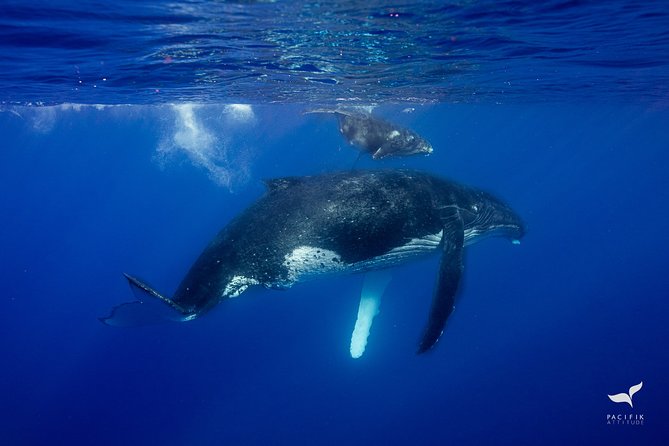
Where you start can save you stress. This tour uses different meeting points depending on the month.
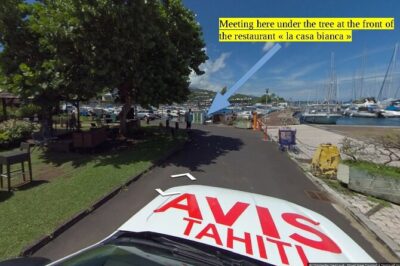
- From December to July, you meet at Hauru Public Park Parking.
- From August to November, you meet at Pacifik Attitude.
If you’re planning transportation, double-check which date range your tour falls into. Moorea isn’t huge, but arriving at the wrong starting place can still eat your whale time fast. Also note that the operator’s opening hours vary by date range, so don’t assume every trip is tied to the same early start.
Practical tip: set your navigation to the exact meeting point named above, not just the broader area. And arrive a bit early. Whale trips have timing pressure, and you’ll want time to get oriented before you head out.
What you can spot besides humpbacks: the marine life buffet
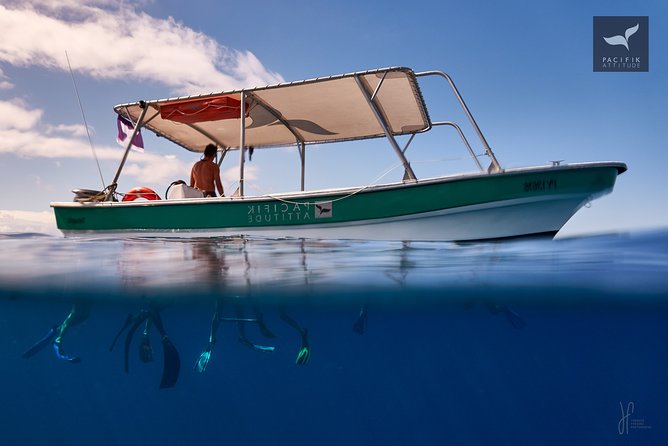
Humpbacks are the headline, but this experience often delivers variety. In the feedback, the list of other sightings is long enough to keep you busy even if whale encounters are slower than expected.
Here’s what’s been reported in praised outings:
- Spinner dolphins
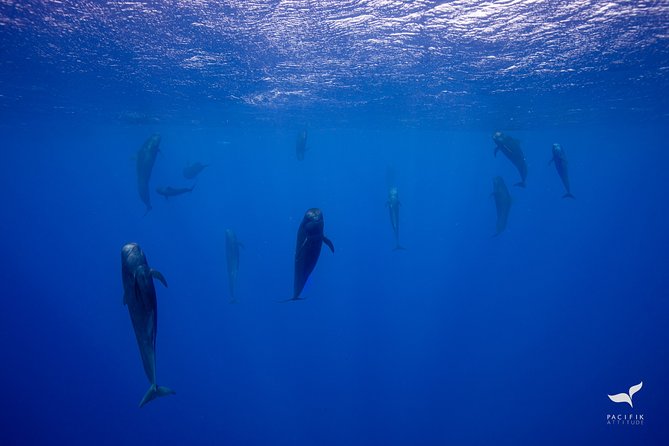
- Melon-headed whales (mentioned as seen randomly)
- Turtles
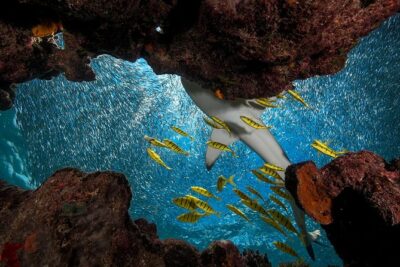
- Sharks (including reef sharks)
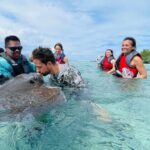
- Stingrays
- Lots of fish, plus reef activity in deeper waters
The important part isn’t memorizing the species list. It’s understanding why it matters to your day. When you’re on the water for a few hours, variety turns waiting time into ocean time. You’re not sitting there hoping the whales show up with nothing else to look at. Even on days when humpbacks are distant, you can still come away feeling you saw Moorea’s ocean community at work.
One guest even described the experience as including whale singing and a mom-and-baby scene, then later jumping and tail movements. That kind of behavior is rare in the sense that it’s not controllable, but it’s exactly the reason you do this in person instead of hoping for a video.
Swimming with humpbacks: what’s possible and what to expect
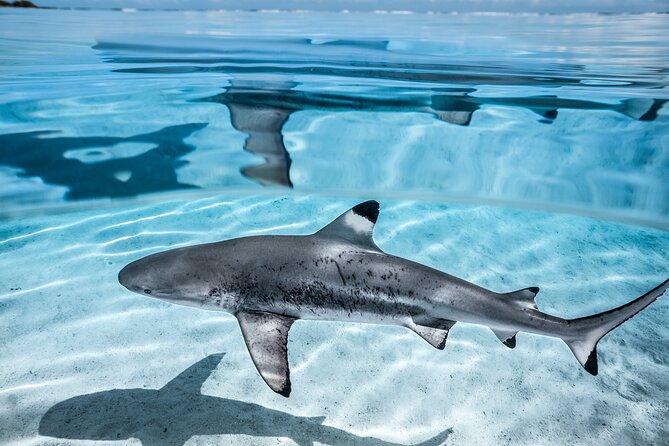
Swimming is the part people remember. But it’s also the part that depends most on conditions.
From the feedback, swimming with humpbacks has happened multiple times, including situations where guests entered the water after spotting whales on the surface, and cases where the guides helped non-swimmers and swimmers feel comfortable and safe. Doris is noted for handling a safety briefing and setting expectations.
One very important reality check: swimming is not promised as a guaranteed outcome. You can do everything right and still have days where sea conditions prevent it or you don’t swim because the water is too rough. There are also cases where whales are visible but too far out for swimming.
So how do you maximize your odds?
- Go with a flexible mindset: observe first, then swim if conditions let you.
- If you’re a non-swimmer or unsure, plan to be honest before you board so the crew can guide you to the safest option.
- If you’re prone to motion sickness, consider that open water can get bumpy. One guest even flagged ocean swell as something to watch for, though their experience still felt worth it.
If you’re okay with a spectrum of outcomes—watching is still amazing—then this portion of the trip becomes a bonus rather than a disappointment.
Value for $327.95: does it make sense?
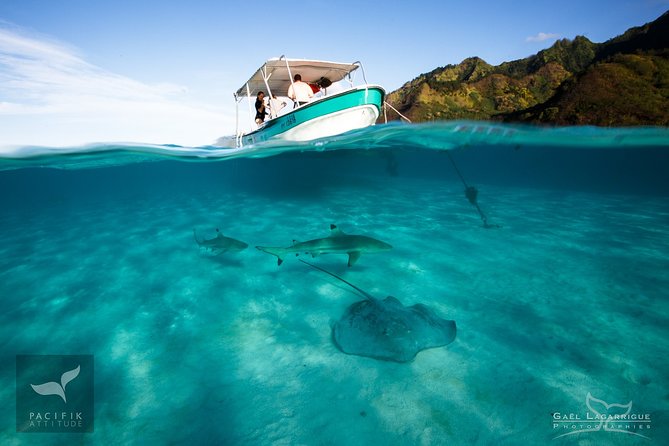
At $327.95 per person, this isn’t a bargain-basement excursion. But it’s not priced like a luxury cruise either. The question is what you’re actually buying.
You’re paying for four things that add up:
- A seasonal wildlife target that’s time-limited (humpback window is July through November).
- A crew that prioritizes respectful interaction, not just speed to the next spot.
- Guided interpretation. When a guide explains whale behavior, you spend less time guessing and more time connecting.
- On-water time plus the chance for swimming when conditions allow.
Also, several departures are described as small in group size, such as a reported 8 passengers on the boat. Smaller groups usually make wildlife watching feel calmer and more personal, and that’s directly tied to satisfaction for this kind of tour.
Is it worth it every time? Nothing wildlife-related is guaranteed. But based on how often the experience is rated highly (a 4.9 rating with 97% recommending), you’re not gambling blindly. You’re betting on a well-run operation during prime season—and on your ability to enjoy the day even if swimming gets canceled by the sea.
Who should book this and who might pass
This trip fits best if you want a Moorea ocean experience that feels human and thoughtful.
You’ll likely enjoy it if:
- You want whale watching with an explanation, not just a boat ride.
- You’re comfortable being out for about 3 hours early in the day.
- You like the idea of a mix of marine life—dolphins, turtles, rays, and fish—even if whales take time.
- Your physical fitness is moderate. The tour notes moderate physical fitness and allows children starting at age 5.
You might rethink it if:
- You need guaranteed swimming time. Conditions can limit what’s safe and practical.
- You’re easily thrown by open-water motion or rough seas. While captains handle rough water well in feedback, weather still governs what you’ll be able to do.
If you’re traveling with kids, it can work, but bring the mindset that this is wildlife watching first. The sea might decide the schedule more than your plans do.
Should you book Pacifik Attitude’s humpback and marine life tour?
I’d book it if you can line up your dates with the 20 July to 20 November humpback season and you’re excited about respectful wildlife watching in Moorea’s lagoon world. The strongest reason to go is the combination of excellent guidance (names like Mata, O’Neil, and Doris come up often) and the fact that the day isn’t only about whales. Dolphins, turtles, stingrays, and sharks can show up, so even partial success still feels like Moorea.
I’d hesitate only if your main goal is a guaranteed swim. This tour is very much weather-dependent, and even when whales are out there, you might not be able to get in the water. If you can accept that and enjoy close observation, you’ll be in the right frame.
Bottom line: this is the kind of whale trip that rewards attention, patience, and respect. If you show up ready to watch, you’ll likely leave with more than a sighting. You’ll leave with a clearer sense of how Moorea’s ecosystem functions.
FAQ
How long is the Pacifik Attitude humpback whale and marine life tour?
The tour is listed at about 3 hours.
When is humpback whale watching allowed in French Polynesia for this experience?
Humpback whale watching is allowed from 20 July to 20 November in French Polynesia.
Where do I meet in Moorea?
From December to July, the meeting point is Hauru Public Park Parking. From August to November, the meeting point is Pacifik Attitude.
How early does the tour run?
The operator’s opening hours indicate early starts: from 5:30 AM to 6:00 PM during 07/15/2022 to 07/19/2026, and from 5:00 AM to 6:00 PM during 07/20/2026 to 11/20/2026.
Can children go on board?
Yes. Children are allowed from age 5.
What if the weather is poor?
The experience requires good weather. If it’s canceled due to poor weather, you’ll be offered a different date or a full refund.
How does cancellation work?
You can cancel for free up to 24 hours in advance for a full refund. If you cancel less than 24 hours before the start time, the amount paid is not refunded.