REVIEW · MOOREA
Swimming with Whales in Moorea (Half Day tour)
Book on Viator →Operated by Moorea Expedition · Bookable on Viator
Moorea can feel like a postcard, but this tour adds the real magic. I like that it runs as a small-group outing with safety first, and you get close enough to learn whale behavior in real time. The main thing to consider is that you need strong open-water swimming ability, and conditions can make the effort more than easy.
What makes this experience stand out in Moorea is the focus on humpback whales during the season (July through late November) and the way the crew manages the swim to protect the animals. I also like that non-swimmers can stay on the boat and still watch from a great vantage point. The trade-off: if whales don’t show up on your day or seas get rough, the trip may be shorter on-water time than you hope.
In This Review
- Key Things to Know Before You Go
- Why Moorea’s Whale Season Sets the Tone
- The Small Boat Advantage: Personalized Attention in the Water
- Price and Value: What $305.30 Gets You (and What It Costs You)
- Getting Ready: Swimming Skills, Snorkel Comfort, and Fitness
- A note on seasickness
- Wetsuit vs Life Jacket: The French Rule You Can Plan Around
- The Half-Day Flow: What Happens From Pickup to the Water
- 1) Getting on the water and searching
- 2) First whale encounter time
- 3) The swim portion with guidance
- 4) Wrapping up back on board
- What You May See Besides Humpbacks
- Safety, Animal Respect, and How the Crew Operates
- Capturing Memories: GoPro Help, Camera Limits, and Expectations
- Who This Tour Is For (and Who Should Choose Non-Swimmer)
- When the Day Isn’t Perfect: No-Whale and Rough-Sea Realities
- Tips That Increase Your Chances of Loving It
- Should You Book Moorea Expedition for Whale Swimming?
- FAQ
- How long is the Swimming with Whales in Moorea half-day tour?
- Where does the tour start and end?
- Is pickup offered?
- How many people can swim with humpback whales?
- Do I have to wear a life jacket?
- What do I need if I want to avoid the life jacket rule?
- What’s included in the tour price?
- What if I’m not a strong swimmer?
Key Things to Know Before You Go
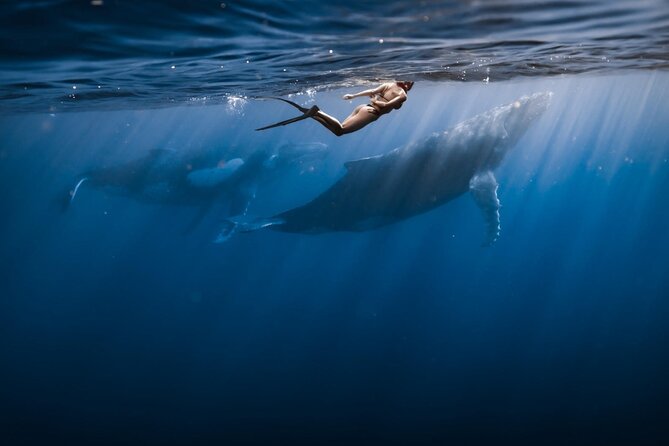
- Humpback focus, but not a guarantee: the crew aims for whales from July to late November based on what’s in the water
- Max 6 swimmers allowed for humpbacks: government rules limit how many people can enter when humpbacks are present
- You must be a confident swimmer: strong swimming skills and snorkeling experience are required for the swim portion
- Life jacket rules are real: neoprene wetsuits can exempt you, otherwise you’ll use a life jacket
- Non-swimmers stay aboard: you can still enjoy the scenery and the whale show without entering the water
- Bring your own camera plan: a GoPro helps because you’re focused on the encounter, not a photo shoot
Why Moorea’s Whale Season Sets the Tone
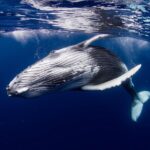
Moorea’s humpback season is a big part of why this half-day tour works so well. The crew’s goal is to find humpbacks in their local waters between July and late November, and that time window matters because the behavior and proximity you’re hoping for depend on the season.
This is also why you should book with the mindset of nature-first, not schedule-first. Weather and whale movement decide what you get, and the best days feel calm, clear, and lively. Even when the whales are around, ocean conditions still play a role in how comfortable and how long you’ll be in the water.
You can also read our reviews of more whale watching tours in Moorea

The Small Boat Advantage: Personalized Attention in the Water
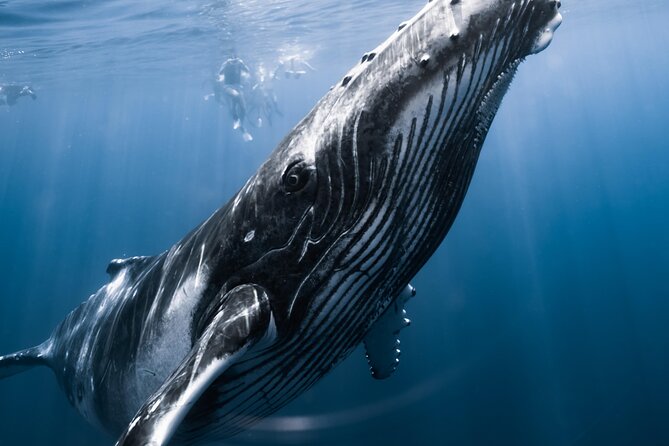
This tour caps the group size at a maximum of 6 travelers, which changes the vibe fast. With a small crew and fewer people in the water, you’re more likely to get clear instructions and personal safety checks rather than feeling like you’re one of many.
There’s also a second, more specific rule for humpbacks: for government compliance, only 6 guests per boat are allowed to swim with humpback whales when they’re present. That means even on a “small group” tour, the actual number entering the water can be tighter during humpback encounters.
In practical terms, you’re buying a higher-touch experience. If you like following guided cues, adjusting quickly, and moving with a plan in open water, this setup tends to feel reassuring.
Price and Value: What $305.30 Gets You (and What It Costs You)
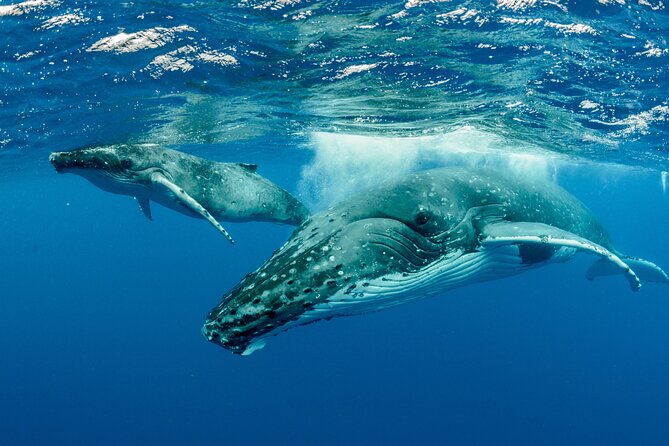
At $305.30 per person for a half-day, you’re not paying for a generic snorkeling trip. You’re paying for (1) a specialized hunt for humpbacks in-season, (2) the safety process required for whale swimming, and (3) the small group size that keeps the experience from turning into chaos.
What’s included is simple and useful: snorkeling equipment and bottled water. What you should budget for yourself: sunblock and towels, plus the practical extras like motion-sickness prevention if you’re prone to it.
For value, I’d judge this like this:
- If you want whales and you’re capable in open water, the tight group and rules-driven swim make the price easier to justify.
- If you’re mainly chasing photos or you want a very relaxed swim with minimal effort, you may feel the cost more than the benefit.
Getting Ready: Swimming Skills, Snorkel Comfort, and Fitness
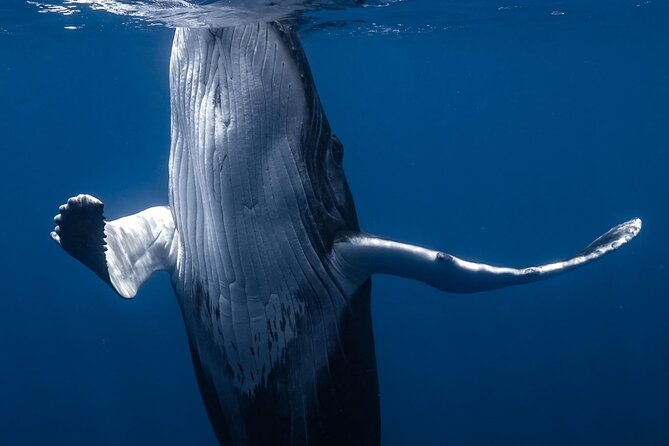
This tour is built for confident swimmers. The requirement is straightforward: strong physical fitness level, plus strong swimming abilities and snorkeling experience if you want to enter the water with whales.
The water can be an easy-to-moderate effort on many days, but it can also feel more challenging depending on ocean conditions and whale behavior. That’s not a scare tactic. It’s just what you should expect when you’re in open water near large marine animals.
From the guidance style I see in real feedback, you’ll also want to be ready for fast, clear instructions and quick situational awareness. One review-style theme shows up again and again: you need to be comfortable using a mask and snorkel, and you need to be able to stay aware around you while moving at the pace the crew sets.
A note on seasickness
Moorea can hand you choppy water, and that changes comfort fast. I’d plan for it: if you get motion sick, consider taking a seasickness pill ahead of time.


Wetsuit vs Life Jacket: The French Rule You Can Plan Around
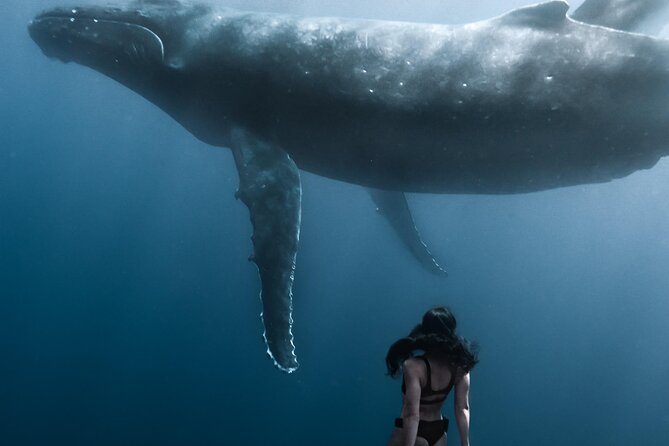
French law requires life jackets for all whale swimming tours, with an exemption for guests wearing a neoprene wetsuit. The exemption can apply to a shorty or a full suit, but the key point is that the wetsuit is what keeps you from needing the life jacket on you.
You have options:
- You can wear the life jacket if you don’t bring a wetsuit.
- If you want to avoid the life jacket obligation, bring a wetsuit.
- Wetsuits can be available for rent from a third party (you’ll need to contact the provider for details).
Even if you plan to swim with a wetsuit, it’s smart to think about comfort. In real whale swim conditions, gear that lets you stay streamlined matters because you’re in moving water and you’ll be following instructions.
The Half-Day Flow: What Happens From Pickup to the Water
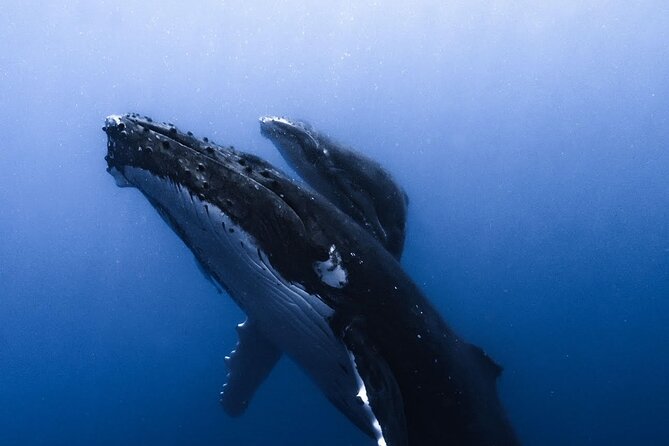
The tour runs about 4 hours total and typically ends back at the meeting point. Pickup is offered, and the activity includes equipment on board plus water.
Here’s how the flow usually feels on whale days:
1) Getting on the water and searching
You’ll head out in the boat with the crew aiming for humpbacks between July and late November. During the search, it’s less about action and more about positioning and waiting for the right moment.
This is also where a small group helps. When fewer people are onboard, the crew can adjust spacing and keep everyone oriented without constant scrambling.
2) First whale encounter time
Once whales are sighted, you’ll likely get a window of observation from the boat. Many trips include more than one time entering the water, depending on how the whales behave and what sea conditions allow.
Some days mean two separate water entries—commonly a mom and baby encounter, then another similar encounter later. On especially good days, you might get additional time in the water too, but you should treat that as a bonus rather than a promise.
3) The swim portion with guidance
If you’re entering the water, snorkeling gear and floatation devices are available on board if needed, and the crew guides you based on whale presence and safety.
This is where your mindset matters. You’re not just snorkeling. You’re part of a controlled wildlife interaction, and your job is to follow instructions so you don’t stress the whales or put yourself at risk.
4) Wrapping up back on board
After the swim windows, you return to the boat and the day ends back at the meeting point. Even for non-swimmers, you should still expect a strong “show” from the water view and the whales coming up close.
What You May See Besides Humpbacks
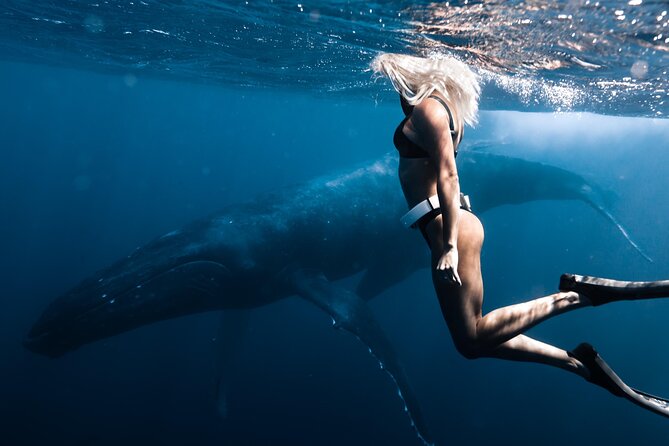
The whole reason this tour gets recommended is that humpbacks can be awe-inducing on their own. But the itinerary is also designed to include other marine life, depending on what’s around that day and how whales are moving.
Expect potential encounters such as:
- Dolphins
- Stingrays
- Sharks
- Turtles
You may also see multiple whales at once from the boat, which can be surprisingly satisfying even if you’re not swimming. On days with calves present, the experience can feel especially intimate because the whales move in ways that bring them closer to the surface.
Safety, Animal Respect, and How the Crew Operates
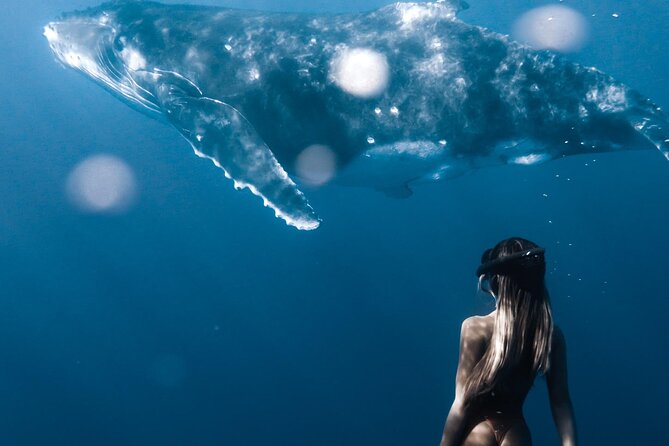
The best whale encounters balance closeness with restraint. This crew’s approach shows up clearly in feedback: they prioritize safety for people and the animals, and they follow rules that reduce stress on whales.
You’ll also notice how they manage timing. You might spend time waiting rather than forcing contact, and that’s usually a good sign. A calm, rule-respecting crew tends to lead to better encounters because the whales are allowed to act naturally.
One more practical safety detail: if the water is rough, your comfort may depend on whether you’re mentally prepared to handle small waves and stay controlled while snorkeling.
Capturing Memories: GoPro Help, Camera Limits, and Expectations
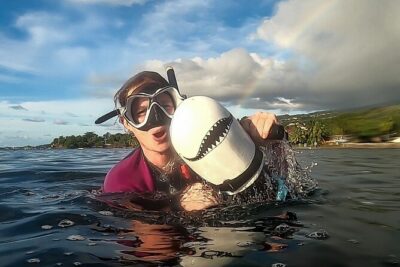
If you want photos, plan like you’re filming from a moving wildlife moment, not posing for a portrait. A GoPro is a smart choice because it helps capture what you’re seeing without needing to constantly stop and adjust a camera.
Do not assume you’ll get “everything handled” for professional-quality images. Some people have described the on-board photography setup as more basic and more help-limited than expected. The safest approach is to bring your own camera plan and treat any extra photo support as a bonus, not the backbone of your trip.
I’d also keep your focus on the experience itself. The best whale moments happen when you’re not trying to multitask your way through a controlled swim.
Who This Tour Is For (and Who Should Choose Non-Swimmer)
This tour works best for active nature lovers who are comfortable in open water and can snorkel confidently. The swim requirement is real, and you’ll have a smoother time if you honestly match the fitness and skill level it asks for.
You should consider the non-swimmer option if:
- You want to watch whales from the boat without entering the water
- Your snorkeling comfort isn’t strong enough yet
- You’re not comfortable with open-water swimming
That said, non-swimmers still get the experience. You’ll be right there for the whale viewing windows, and you can enjoy the marine life from a safe, stable position.
When the Day Isn’t Perfect: No-Whale and Rough-Sea Realities
Sometimes you can do everything right and still not get whales on your exact outing. That’s wildlife, not a failure.
Two things can affect your day:
- Whale presence: you’re targeting humpbacks in season, but not every trip guarantees success
- Sea conditions: rough or choppy water can change comfort and water-entry opportunities
If you end up disappointed by no whales, remember the tour’s core is still a marine-life encounter with real guidance and a safety-first approach. If whales are the single item on your wishlist, check your schedule and try to build flexibility so you have a backup day.
Tips That Increase Your Chances of Loving It
Here’s how to stack the odds for a great experience on a half-day whale swim:
- Be honest about swimming ability. If you’re borderline, the swim part will feel stressful.
- Bring or rent the right wetsuit so you can manage life jacket rules comfortably.
- Take seasickness prevention if you’re prone. Choppy days happen.
- Use a hands-free camera plan like a GoPro if you want footage.
- Pack for sun and towel needs. Sunblock and towels aren’t included.
Also, take a moment to appreciate the guided learning side. The crew shares information on whale behavior and other species, which helps the encounter feel less random and more meaningful.
Should You Book Moorea Expedition for Whale Swimming?
I’d book this tour if you check these boxes:
- You want humpback whale swimming during the July to late November season
- You can swim confidently and snorkel in open water
- You value a small-group setting with safety and whale respect baked in
- You’re okay with nature timing and sea conditions driving the day
I’d hesitate if you:
- Want a laid-back snorkeling experience with minimal physical demand
- Rely on the idea that you’ll leave with perfect photos handled by someone else
- Are not comfortable with the open-water requirements
If you’re a strong swimmer who wants that close-up whale moment—mom and calf sightings, surfacing passes, and the feeling of watching giants move through their world—this is the kind of half-day that earns its place on a Moorea shortlist.
FAQ
How long is the Swimming with Whales in Moorea half-day tour?
It runs for about 4 hours.
Where does the tour start and end?
It starts at Moorea Expedition in French Polynesia and ends back at the meeting point.
Is pickup offered?
Yes, pickup is offered.
How many people can swim with humpback whales?
Government regulations limit whale swimming to 6 guests per boat when humpback whales are present.
Do I have to wear a life jacket?
French law requires life jackets, but there is an exemption if you’re wearing a neoprene wetsuit (shorty or full suit). Life jackets are available on board.
What do I need if I want to avoid the life jacket rule?
Bring a wetsuit. Wetsuits are also available for rent from a third party if you contact the provider for details.
What’s included in the tour price?
Snorkeling equipment and bottled water are included.
What if I’m not a strong swimmer?
Non-swimmers can stay on the boat and admire the views while others swim. For swimming with whales, strong swimming abilities and snorkeling experience are required.