REVIEW · TAHITI
Crossing Island of Tahiti 4×4 Mountain, Waterfall, River, Basins
Book on Viator →Operated by Tahiti Safari Islander · Bookable on Viator
Tahiti gets rough on purpose. This cross-island open-top 4×4 outing is built around the island’s interior: waterfalls, river fords, and natural basins where you might get a swim if conditions are right. Add in guide commentary and local music from the back of the vehicle, and it feels less like a drive-by sightsee and more like a real day in the wild heart of Tahiti.
Here’s the big consideration: you’ll be going over uneven, unpaved roads full of potholes. The tour asks for moderate fitness, and it’s not meant for people who hate jostling, steep/rough terrain, or who need a super-smooth ride.
Key things I’d put on your radar
- Open-sky 4×4 format with local music, plus the option to stand in the rear for better views
- Waterfall-and-basin focus, with swimming dependent on weather and river conditions
- 37 km of mountain road that’s not cemented or tarred, so expect dust, bumps, and potholes
- Small group size (max 16), which makes stops feel less crowded
- No lunch included, but you’ll stop at a bakery around noon to buy snacks and drinks
- New vehicle + safety-minded guides are part of the experience, and it matters on rough tracks
In This Review
- What You’re Really Getting From This Tahiti Safari 4×4 Day
- Getting To The Start: Papeete Area Setup and Pickup Reality
- The Ride: Open-Top 4×4, Standing Tips, and What Bumpy Actually Means
- From Papeete Toward the Central Crater: First Big Change of Scenery
- Waterfalls, Basins, and River Fords: When You’ll Want to Get Wet
- The Noon Bakery Break: Snacks, Cash/Card Options, and Staying Fueled
- What To Pack (and What to Leave): The Small Stuff That Makes a Big Difference
- Who Should Book This 4×4 Cross-Island Adventure (and Who Should Skip It)
- Value Check: Is $138 Worth It for 6.5 Hours Inland?
- Final Call: Should You Book This Tahiti Safari Islander Tour?
- FAQ
- How long is the tour?
- What’s included in the price?
- Is pickup available?
- Can I swim during the tour?
- What should I bring?
- What age limits apply?
What You’re Really Getting From This Tahiti Safari 4×4 Day
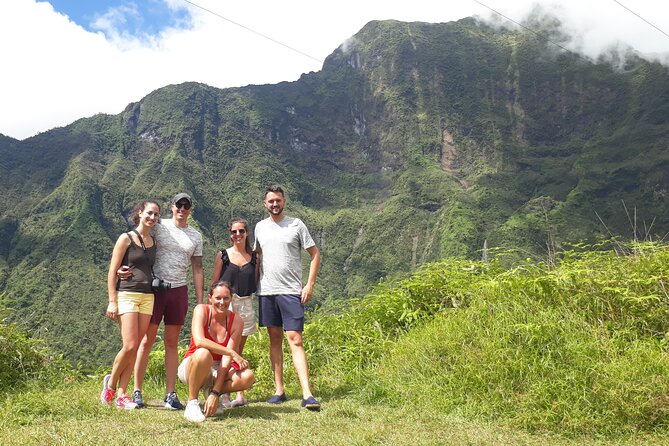
This tour is for people who want Tahiti beyond beach postcards. You trade calm views for movement: dirt roads, river crossings, basalt rocks, and pools you reach by foot or brief scrambling at the stops. If you like nature, you’ll feel like you’re getting close to how Tahiti actually works inland.
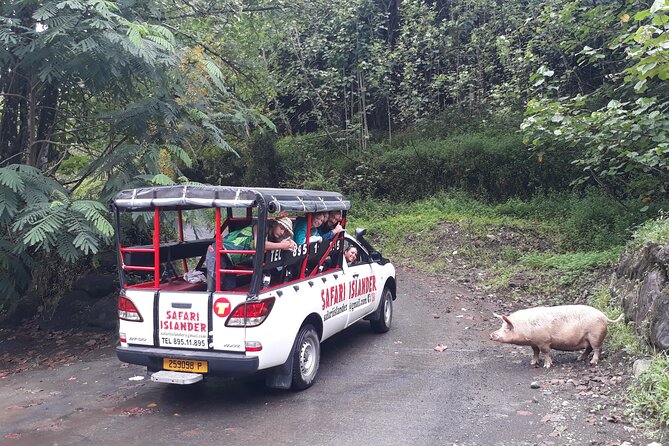
The format helps. The vehicle is described as a new and comfortable open-top 4×4, with local music in the back. That changes your day. Instead of looking at the island through a window, you feel it—wind on your face, dust in the air, and the sound of the road as you climb into the mountains.
And the payoff is practical. You’re not just taking photos from a roadside viewpoint. The plan centers on places where you can cool off in natural pools and where rain can turn the day into a full-on waterfall show. When the weather cooperates, you get water time. When it doesn’t, you still get the interior drama.
Getting To The Start: Papeete Area Setup and Pickup Reality
The tour starts at the Uranie Cemetary Parking Lot (near Faaa / Papeete area), then ends back at the same meeting point. Pickup is offered, which is a big deal if you don’t want to manage a taxi line and luggage bag juggling before an off-road day.
Timing-wise, plan for about 6 hours 30 minutes in total. It’s a full chunk of the day, and it’s not just “transport time.” You’ll have multiple stops in between rough driving, plus that noon bakery break.
One small but important detail: it’s capped at 16 travelers. That size matters when you’re stopping at riverbanks or small natural viewpoints. You’re less likely to feel herded, and it’s easier for the guide to manage everyone during the bumpy sections.
You can also read our reviews of more tours and experiences in Tahiti.


The Ride: Open-Top 4×4, Standing Tips, and What Bumpy Actually Means
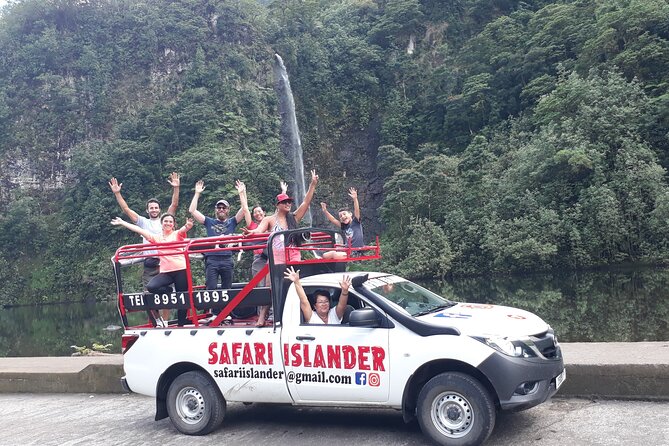
Let’s talk about the part that can make or break your day: the roads. The tour is very clear that the drive includes uneven terrain and that you’ll cover 37 km in the mountains over roads that are not cemented or tarred. In plain terms: you’re on dirt and rough track.
You’ll feel it in your body. People describe a ride with deep potholes and plenty of rattling, so treat this like an active adventure day, not a gentle sightseeing bus tour. One reviewer put it humorously, saying it can rattle your teeth—so bring a little mental toughness and don’t plan on using that day to do anything physical later that night.
The good news: the vehicle setup is part of the fun. The open-sky design is made for views, and the guide may suggest standing in the rear for angles that you can’t get from seated positions. If you do stand, you’ll want to do it with care. Your knees should be bent to absorb bumps, and you’ll likely be using the rails for balance.
A practical tip I’d follow: pack or wear slippers/flip-flops (no shoes) as recommended, but also think about gripping. One helpful suggestion from past riders: consider workout gloves or something similar for holding the rails—if you’re going to stand for long stretches, your hands will notice.
Finally, safety is not an afterthought here. Reviews name guides who are described as friendly and experienced, including Mato (noted for being safety oriented) and others like Rocco and Vitea. Even without chasing those names, the point is consistent: this is an off-road route, and the way the guide drives affects how secure you feel.
From Papeete Toward the Central Crater: First Big Change of Scenery
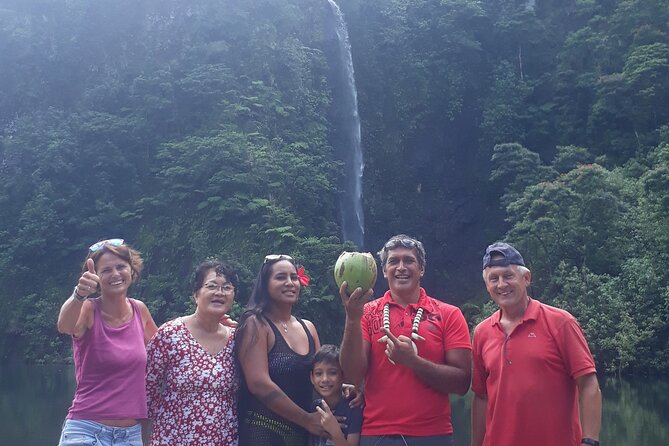
Your day shifts gears early as you move from the Papeete area into the island’s interior. The tour highlights a central crater area, and the vibe changes fast. Instead of coastal air, you’re in a more rugged, inland world.
This section is where you’ll notice the geology. You’re likely to see basalt rocks and get stops that connect the drive to how the island’s story is told—through natural features and local understanding. The guide provides commentary throughout, including history and context tied to what you’re passing.
This is also where the pacing matters. The ride itself is rough, so you’ll want to lean into short attention cycles: look, breathe, then check where your footing is when you get out at stops. The stops aren’t random. They’re there to break up the drive and give you the “why” behind the miles.
One more detail that makes this portion feel more meaningful: you’re not only going for dramatic photos. The tour is built around a whole system of water and terrain. That’s where the hydroelectric track concept comes up in the experience—some of the driving follows routes connected to the island’s water management, so you feel like you’re moving through working geography, not a decorative set.
Waterfalls, Basins, and River Fords: When You’ll Want to Get Wet
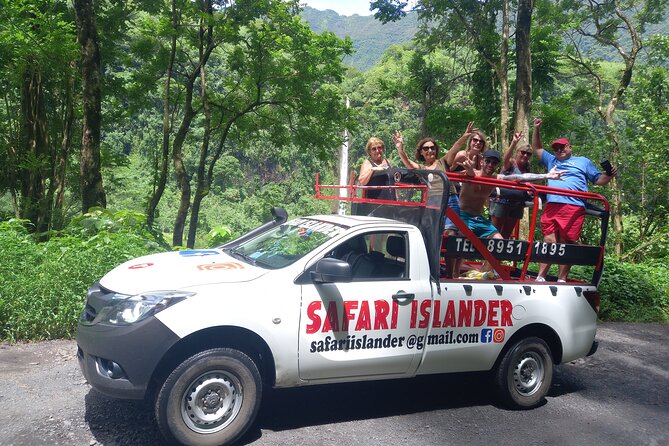
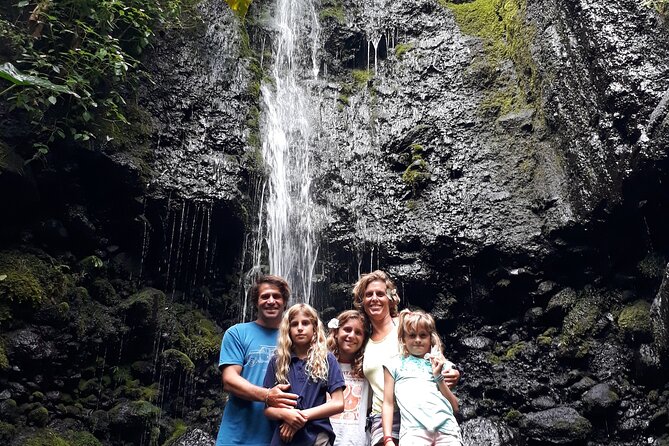
This is the heart of the day. The tour’s promise is simple: you’ll encounter water catchments, multiple waterfalls, and stops at natural pools and basins.
What changes your plan is the weather and river flow. If conditions are nice, you may be able to swim in the natural pools. If it rains, you’ll likely see even more waterfalls. That’s a win in either direction—unless you were counting on a swim as your only reason for booking.
A heads-up from experience-based patterns: when river flow is high, swimming can be canceled for safety reasons. So come prepared for the possibility that you might only dip your feet or cool off without fully swimming. Still, even without a swim, waterfalls and river crossings are real standouts.
One thing to expect: the water stops come with a mix of beauty and logistics. You’ll be stepping around slick areas, and you’ll want footwear that’s safe. The tour guidance leans toward flip-flops/slippers and no shoes, which can work well for short water access, but use common sense if the ground looks slippery or rocky.
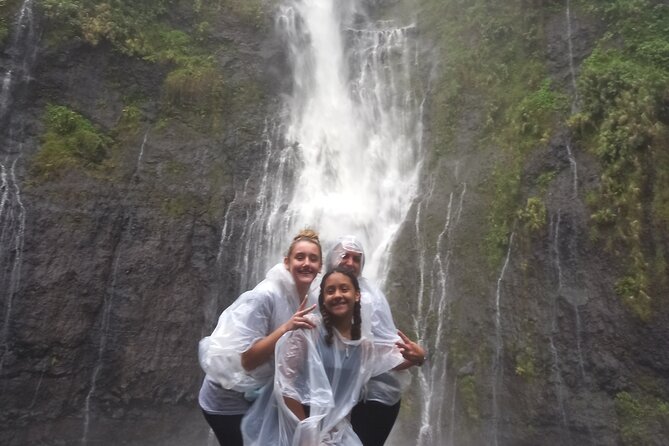
Also, don’t forget the mood shift. In rain, waterfalls can multiply fast, and the day gets louder, wetter, and more dramatic. If that sounds like fun to you, great. If you want a dry, tidy day, this isn’t it.
The Noon Bakery Break: Snacks, Cash/Card Options, and Staying Fueled
Around noon, there’s a stop at a bakery for food and drinks. Lunch is not included, so you’re buying your own. The upside is that this break doesn’t feel like an expensive forced restaurant meal. It’s more like a local convenience stop where you can grab what you need and keep the day moving.
Past riders have described the bakery stop as offering sandwiches and pastries that were a good value, with the practical detail that it can take cash or credit cards. If you like redundancy, bring some cash just in case, but you can also plan to use a card.
What you should buy? Keep it simple. You’ll want something filling enough to fuel the walking and the bumpy standing sections, plus water. If you’re hoping for a swim, don’t forget that hydration still matters—you’ll be hot, then cold, then hot again.






What To Pack (and What to Leave): The Small Stuff That Makes a Big Difference
The tour’s packing list is short for a reason: this day mixes dust, water, and motion. Here’s what you’ll want.
Bring:
- Napkins
- Something to swim in
- Mosquito repellent
- Slippers / flip-flops (no shoes)
- Raincoats
Also, plan to protect yourself from the weather swings. Even if skies look fine at pickup, the interior can change quickly, and the tour description is clear you may get rained on.
Leave:
- Large luggage. The tour explicitly flags no luggage suitcases, so keep it small. If you carry a bag, think compact and easy to manage while you’re bouncing over rough ground.
One more practical thought: because standing for better views is part of the vibe, you might want something to wipe your hands and keep grip. It’s not listed, but gloves and a small towel can make standing sections feel less annoying.
Who Should Book This 4×4 Cross-Island Adventure (and Who Should Skip It)
This is an active, rough-road nature tour. That’s not a complaint—it’s the point. The tour calls for moderate physical fitness and warns it’s not the right fit for everyone.
You should consider booking if:
- You like the outdoors and are okay with nature being wet, muddy, and real
- You want the island’s interior, not just beaches
- You’re game for standing in the vehicle rear for views
- You want a small-group day with a guide who shares context, not a silent bus ride
You should skip (or choose something calmer) if:
- You don’t like nature or you’re looking for a smooth ride
- You have back or mobility concerns that make balancing on bumps hard
- You’re older and the shaking/potholes could be an issue (the tour notes it’s prohibited for children under 3 and not recommended for over 65 due to shaking)
Also remember the emotional filter in the tour details: it’s not designed for grumpy days. If you’re flexible and good at rolling with minor discomfort, this experience tends to click.
For families: reviews describe it as fun for a whole family group, but check age guidance carefully. Off-road days can be unpredictable in how long you spend standing and walking between stops.
Value Check: Is $138 Worth It for 6.5 Hours Inland?
At $138 per person, you’re paying for a specific kind of day: off-road transport plus guided stops in the interior. What makes this more than a basic tour is the combination of things you’d otherwise need separate tickets or separate logistics for.
Here’s why the value can work:
- Private transportation is included
- Admission ticket is free (no extra entry cost you’d need to hunt down)
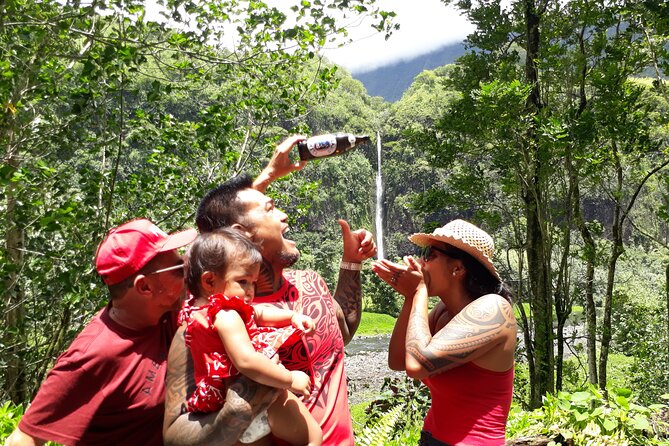
- The day includes multiple natural stops—waterfalls, basalt terrain, river fords, and basin areas—plus a guide with ongoing commentary
- The vehicle is open-top, so the “how you see Tahiti” is part of what you’re buying
What you need to budget for:
- Lunch is not included, so plan your own snacks and drinks at the bakery stop
- You may spend a little extra on swim-ready items if you forgot something (like a rain layer or repellent)
Compared to tours that only take you to quick viewpoints, this is closer to an adventure full of motion. If you hate bumps or you want a low-effort day, the cost won’t feel worth it. If you want to be out in the interior and you can handle the road, it’s a solid use of your Tahiti time.
Final Call: Should You Book This Tahiti Safari Islander Tour?
I’d book this if your priority is the interior of Tahiti—waterfalls, basins, and river crossings—with the kind of off-road driving that turns a sightseeing day into an actual story. The open-top 4×4 format and small group size are big advantages, and the “swim if conditions allow” approach keeps it exciting.
I wouldn’t book it if you’re hoping for a gentle, seated, dry day. The unpaved mountain roads with potholes are a core part of the experience, not a side issue. If you’re sensitive to shaking, balancing, or rough terrain, choose a quieter alternative and spend your energy on something more comfortable.
FAQ
How long is the tour?
It runs for about 6 hours 30 minutes (approx.).
What’s included in the price?
The price includes private transportation. Lunch is not included.
Is pickup available?
Yes, pickup is offered, and the meeting point is the Uranie Cemetary Parking Lot (FC39+78X, Aroa Sanford, Faaa, French Polynesia).
Can I swim during the tour?
You can swim in the natural pools if weather conditions allow. If rain increases river flow, swimming may not be possible.
What should I bring?
Bring napkins, something to swim in, mosquito repellent, slippers/flip-flops (no shoes), and raincoats.
What age limits apply?
It’s prohibited for children under 3 years old. It’s also not recommended for people over 65 due to the shaking.