REVIEW · MOOREA
Half day whale tour 4h00
Book on Viator →Operated by Moorea Activities Center · Bookable on Viator
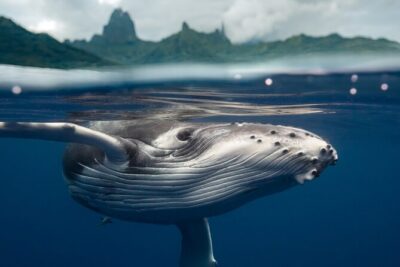
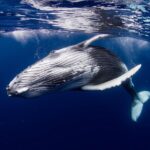
Moorea whales are a small miracle. This half-day outing turns Ōpūnohu Bay into a launchpad for spotting humpbacks during their migration, with crew using high-tech whale detection to boost your odds. I like that it keeps things focused on flora-and-fauna type moments, not a long day of driving and waiting.
I also like the straightforward payoff: snorkeling gear is provided, plus refreshments during the tour. When the whales come close enough and conditions cooperate, you may even get in the water for a true close encounter rather than only watching from above.
One possible drawback: it’s physical, and the ocean is the ocean. You may need to swim a significant distance, and because of the 6-person-in-the-water restriction, the boat can split into two groups, so your chance to swim depends on timing and whale behavior.
In This Review
- Quick Hits
- Half-Day Schedule in Moorea: What 4 Hours Really Means
- Ōpūnohu Bay Start: Walking the Shore Before You Chase Whales
- Finding Humpbacks with High-Tech Listening and a Small Boat
- In-the-Water Reality Check: Swimming Distance, Life Vests, and the 6-Person Rule
- Expect a swim, and plan for the stamina part
- Life vests are offered, not forced
- The 6-person-in-water rule can split your group
- Snorkeling Setup: What’s Included and What to Bring for Comfort
- After the Whales: Lagoon Snorkeling with Sharks and Stingrays
- Price and Logistics: Is About $191.91 Worth It
- Who This Whale Tour Suits Best (and Who Should Rethink It)
- The Safety Stuff to Ask Yourself Before You Go
- Should You Book This Moorea Half-Day Whale Tour?
- FAQ
- How long is the Moorea half-day whale tour?
- Where does the tour start and end?
- What’s included in the tour price?
- Is pickup offered?
- Is lunch included?
- When can you expect to see humpback whales?
- How many people can be in the water at one time?
Quick Hits
- Small-group cap (max 12) keeps the experience from feeling crowded, even though it may split into two swim groups
- High-tech whale listening improves the odds of finding humpbacks in time
- Snorkel gear and drinks included, which saves you time and hassle
- Real open-ocean snorkeling means seasickness and stamina matter
- Lagoon time after the whales can add sharks and stingrays to the day
Half-Day Schedule in Moorea: What 4 Hours Really Means
This is a tight, half-day format at about 4 hours. The good news is you’re not committing to a whole day just to chase whales. The tradeoff is that the schedule can feel quick once you’re on the water, and you’ll want to be ready to move when the crew spots whales.
The tour starts at the Moorea Activities Center in Opunohu, and it ends back at the same meeting point. Expect a run that blends searching time, briefing time, then time at the whales, with a follow-on stop that often shifts you toward lagoon snorkeling.
Since the whales are wild and timing is never guaranteed, the best mindset is: you’re paying for a skilled crew, a reasonable shot at humpbacks, and the chance to swim if conditions line up.
You can also read our reviews of more whale watching tours in Moorea
Ōpūnohu Bay Start: Walking the Shore Before You Chase Whales
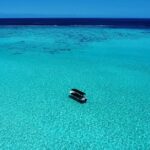
Your first stop is Ōpūnohu Bay, with a short walk in the bay. There’s no paid admission ticket for that stop, so you’re not starting your day feeling nickel-and-dimed.
This walk isn’t just a warm-up. It’s a chance to get your bearings in Moorea’s calmer shoreline setting before the day turns more open-ocean. If you’re the type who likes to notice details, this is where you can shift into the right mode: looking for wildlife and paying attention to what the crew is spotting and discussing.
Then you pivot from “bay scenery” to “whale time,” so if you’re prone to seasickness, this is also where you’ll want to make practical choices early (like whether you’ll take medicine beforehand).
Finding Humpbacks with High-Tech Listening and a Small Boat
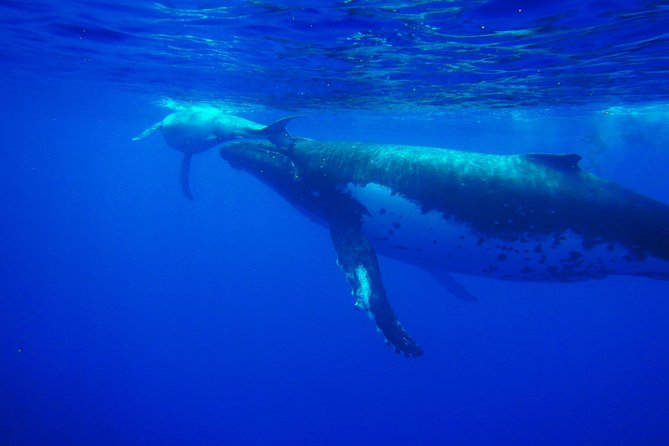
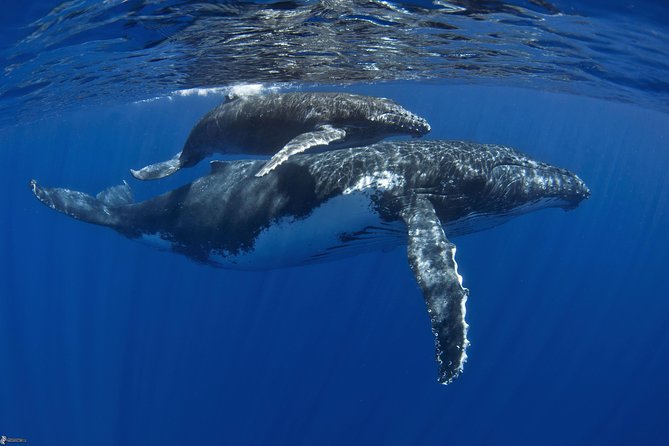
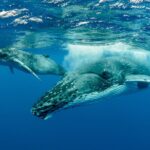
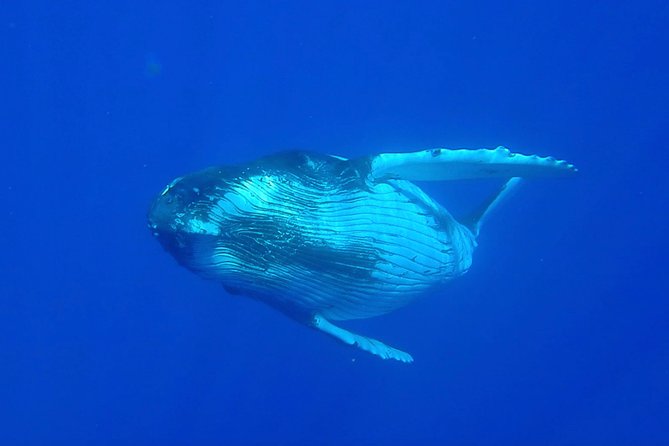
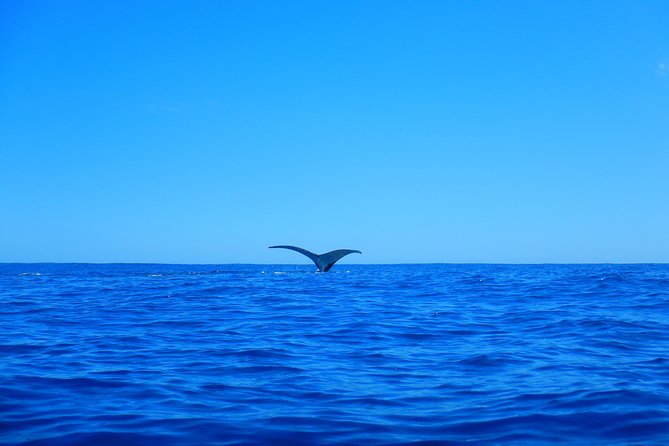
Between July and November, Moorea’s migration window brings humpbacks into the picture. If the whales are there and react the right way, you may also see their young.
What sets this tour apart is the search method. The crew uses high-tech equipment to listen for whales, which is a big deal when you only have a few hours. It’s the difference between random cruising and a more systematic hunt.
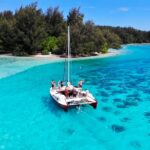
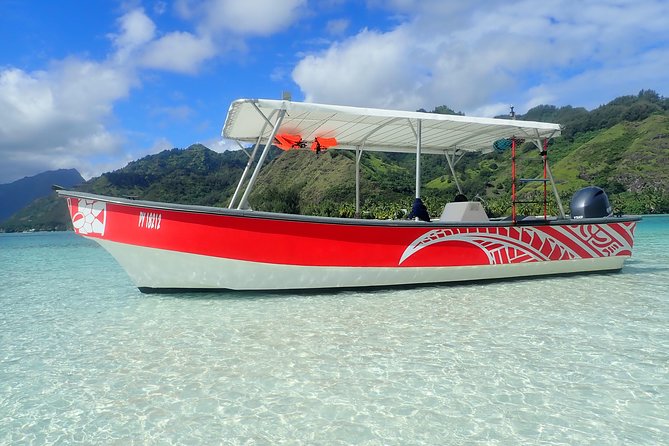
Small-group management matters too. The boat runs with a maximum of 12 people. Reviews often mention crews that act quickly once they find them, and captains who aim to get you close while keeping it respectful.
In plain terms: you’re not signing up for a guarantee. You’re signing up for a team that works hard to find whales fast, then makes the most of the time you do have.
In-the-Water Reality Check: Swimming Distance, Life Vests, and the 6-Person Rule
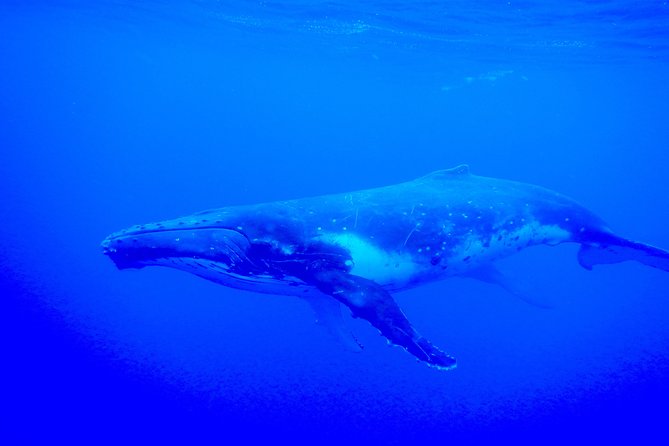
If you want to swim with humpbacks, here’s what you should know before you book.
Expect a swim, and plan for the stamina part
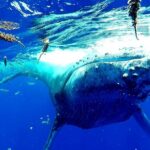
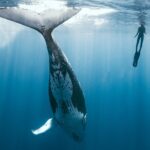
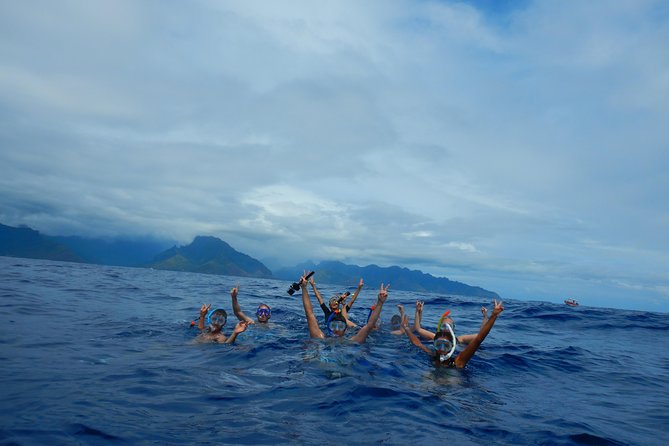
Some people love how physical it is, and others feel blindsided by it. You may do what one guest described as a test swim in the bay, and then later you may have to swim out toward the whales. In a provider response, they mention the boat is not allowed to approach within 100 meters, so that sets expectations for the open-water portion.
So if you’re not a confident swimmer in open water, think hard. One review called out that you need to swim a distance similar to a football-field length as part of assessment. Another mentioned struggling because the swim is long and the distance from the boat is real.


Life vests are offered, not forced
Life vests are offered, but they are not described as mandatory for everyone. Some guests declined them and still went in. Others felt that, given rougher conditions, life vests should be required.
If you’re even slightly unsure, don’t “tough it out” by default. Ask what’s required for the water portion on the day you go, and consider choosing the safety option that helps you stay calm and focused.
The 6-person-in-water rule can split your group
This is the biggest “how it can go wrong” point. There’s a restriction of 6 people in the water at a time, and with a 12-person boat you may need two swim groups. That means:
- If you’re in the second group, you could be disappointed if the whales move on.
- Your odds depend on whale behavior that day, not only on the crew’s skill.
The company’s stance is that they try to ensure everyone sees whales in some way, even if only the first group gets the swim window. Some guests report swimming with whales multiple times. Others didn’t get a swim or got fewer chances than they hoped.
So the practical takeaway is simple: if swimming with humpbacks is your top priority, book with the understanding that the ocean sets the rules.
Snorkeling Setup: What’s Included and What to Bring for Comfort

Good: you don’t have to rent gear separately. Masks, snorkels, and fins are loaned out. Drinks are included during the tour, which is helpful because you’re out in the sun and moving.
What to bring depends on what you personally need to feel comfortable:
- If you get seasick, consider medicine beforehand (one guest specifically warned about a rocky ride and recommended taking something before you go).
- If you’re sensitive to chafing or irritation from fins and open-water swimming, bring a plan for that since you’ll be suited up and moving.
- Expect there may be a lot of sun exposure on the water.
Also note the pace. Some reviewers said the crew’s briefing and in-the-water instructions can be intense or rushed. If you need quiet reassurance to feel ready, tell yourself you may have to learn fast, follow commands quickly, and keep your focus on safety.
After the Whales: Lagoon Snorkeling with Sharks and Stingrays
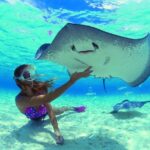
Even when humpbacks don’t cooperate for everyone, the day can still deliver serious snorkeling value. A recurring theme is a shift to the lagoon after whale time, with chances to see sharks and rays.
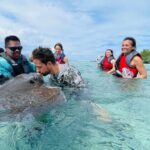
Guests mention reef sharks, whitetip sharks, stingrays, and even mantas in some cases. One guest described a sequence that went whales first, then lagoon swimming, then sharks and rays again. Others said sharks and stingrays were the standout when the whale swim didn’t happen.
This matters because it balances risk. Whale encounters are weather-and-behavior dependent. Lagoon wildlife can still be a great use of your half-day, especially if you’re the type who enjoys snorkeling animals in real conditions rather than only looking at them from far away.
One more point from reviews: you might need to follow safety signals and stay in a tight group when sharks are present. Several guests described staying calm and huddled in a circle when needed, with guidance from the crew.
Price and Logistics: Is About $191.91 Worth It
At $191.91 per person for roughly 4 hours, this isn’t a budget activity. But it’s also not purely “watch from a dock” value.
Here’s what you’re paying for:
- A max-12 boat size (not a huge cattle setup)
- High-tech whale detection to find humpbacks faster
- Snorkeling gear included
- Drinks included
- The potential for a whale swim, not just whale spotting
- A small-group style where guides can give direct attention
The value question really comes down to your priorities:
- If you want the highest chance of swimming with whales, accept that the 6-in-water restriction can limit who gets in first.
- If you’re happy with whale sightings from the boat and want quality snorkeling in the lagoon, you’ll likely feel the price makes sense.
One review even suggested that private tours may increase the chance of more swim opportunities, which is consistent with the group restriction logic. If that’s your goal, it’s worth comparing to private options rather than assuming you’ll always get more water time on a shared boat.
Who This Whale Tour Suits Best (and Who Should Rethink It)
This tour fits best if you match the physical and temperament requirements.
You’ll probably love it if you:
- Are a confident open-water swimmer or you’re willing to work hard for it
- Enjoy wildlife experiences where respect and rules matter
- Like small-group guidance and quick on-the-water decisions
- Want a chance at humpbacks during the migration season and still want lagoon snorkeling added
You should rethink it if you:
- Get seasick easily and you don’t have a plan for it
- Prefer lounging and looking rather than active swimming
- Are strongly disappointed by the idea that the boat may split into two groups for the 6-person-in-water rule
- Have a low tolerance for rough conditions if swell happens (weather can change quickly)
Also, if your fear level runs high around sharks, you’ll want to feel comfortable following instructions. Reviews describe safety briefings and shark-handling guidance, including staying together and huddling when needed.
The Safety Stuff to Ask Yourself Before You Go
This is the ocean. Even when the crew is doing everything right, conditions can turn.
A few safety realities you can’t ignore:
- The ride can be rocky, and seasickness is a real concern for some people.
- Open-ocean swims mean fatigue is part of the equation.
- Life vests are offered but not required for everyone, and some guests feel that should change on rough days.
- Smoking on the boat is described as forbidden, and there was a complaint about it happening once, with the operator replying that it was a mistake.
Before you step aboard, do a quick personal checklist: Can I swim confidently? Do I want a life vest? Do I feel good with the safety briefing? If anything makes you uneasy, it’s okay to ask direct questions right then.
Should You Book This Moorea Half-Day Whale Tour?
I think you should book this if your dream is Moorea humpbacks during the season and you’re okay with a nature-driven schedule. The strongest draw is the combination of high-tech whale searching, a small boat, and a real chance of swimming with mother-and-calf pairs when conditions allow.
I wouldn’t book it if swimming distance or open-water exertion would ruin the trip for you. The 6-person-in-water rule and the possibility of two swim groups can also affect how satisfied you feel, especially if humpback swimming is your main goal.
My rule of thumb: if you can handle open-water snorkeling as an active sport, you’ll likely walk away with the kind of wildlife memory that stays with you.
FAQ
How long is the Moorea half-day whale tour?
It’s about 4 hours.
Where does the tour start and end?
It starts at the Moorea Activities Center – Opunohu (Moorea-Maiao, French Polynesia) and ends back at the same meeting point.
What’s included in the tour price?
You get loan of masks, snorkels, and fins, plus drinks during the tour.
Is pickup offered?
Yes, pickup is offered.
Is lunch included?
No, lunch is not included.
When can you expect to see humpback whales?
The tour notes the possibility of seeing humpbacks between July and November, during their migration.
How many people can be in the water at one time?
There’s a restriction of 6 people in the water at a time, and with a boat capacity up to 12, groups may be split for the swim portion.