REVIEW · MOOREA
Moorea : Safari Nature and Culture Tour with local guide
Book on GetYourGuide →Operated by TE MANA TOUR VR · Bookable on GetYourGuide
Moorea hits different when you trade photos for VR history. This 4-hour small-group tour stitches together viewpoints, archaeology sites, and cultural stops with provided VR headsets and on-site context. You’ll start from the Toatea area, then work your way around key bays and island interiors with a guide who explains how the past connects to what you see now.
What I like most is the mix of real-world stops and virtual reality reconstructions backed by the Department of Culture. The VR portion is especially memorable because you’re not just watching a story—you’re putting on the headset and seeing a 17th-century-style ceremony on a marae plus a naval battle in the bay.
One thing to plan around: this is not a relaxed stroll. You’ll be on your feet through forest paths and site walks, and it’s not suitable for wheelchair users, people with mobility impairments, pregnant women, or anyone with back problems.
In This Review
- Key points
- VR plus viewpoints: a smart way to see Moorea in 4 hours
- Toatea Lookout and Cook’s Bay: start with the big picture
- Forest passage to the crater interior: species, agriculture, and the island’s shape
- Ōpūnohu area and archaeological stops: stepping back without feeling lost
- VR reconstructions: marae ceremony and a naval battle in 17th-century style
- Belvedere panorama and missionary history: religion as a visible turning point
- Rotui Juice Factory & Distillery tasting: sweet end to a historical day
- What you get for $117: value that comes from time, transport, and VR
- Who should book this Moorea VR nature and culture tour
- Should you book? My take
- FAQ
- FAQ
- How long is the Moorea Safari Nature and Culture Tour?
- Is hotel pickup and drop-off included?
- What’s included besides the guided tour?
- Does the tour include meals?
- What languages are the guides?
- How big is the group?
- What should I bring?
- Is VR included on site?
- Who might not be able to join the tour?
Key points
- VR archaeology on location with reconstructions supported by the Department of Culture
- Toatea + two bays in one efficient 4-hour loop (Toatea, Cook’s Bay, Ōpūnohu area, then Belvedere)
- Guided history that moves past facts into myths, legends, and how people lived
- Ancient village + marae ceremony presented both on-site and through VR
- Fruit juice and distillery tasting included, with time for shopping
- Small groups up to 8 mean you get more time for questions
VR plus viewpoints: a smart way to see Moorea in 4 hours
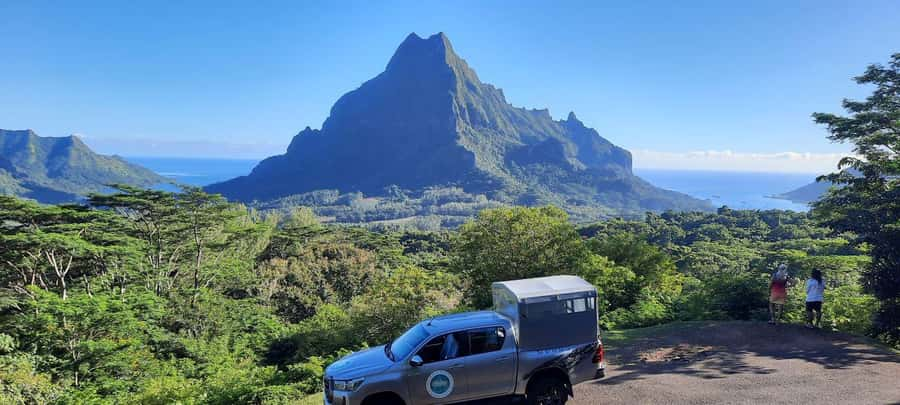
Moorea is the kind of island where it’s easy to focus on scenery only. This tour is different. You still get the classic views—Toatea first, then bay viewpoints, then Belvedere—but the whole route is built around history and culture, not just photo ops.
The structure also makes the time feel tight in a good way. The tour packs in enough stops to give you a clear mental map of the island: you’ll move from a lookout to coastal bays, then through forest and into the crater interior area, then back up to a panorama viewpoint. With pickup and drop-off included from Moorea-Maiao, you can spend your energy on listening and walking, not on transportation logistics.
The group size matters. With a max of 8 participants, you’re more likely to hear the guide clearly and ask follow-up questions—especially during the guided sections and at the walking stops.
You can also read our reviews of more guided tours in Moorea
Toatea Lookout and Cook’s Bay: start with the big picture
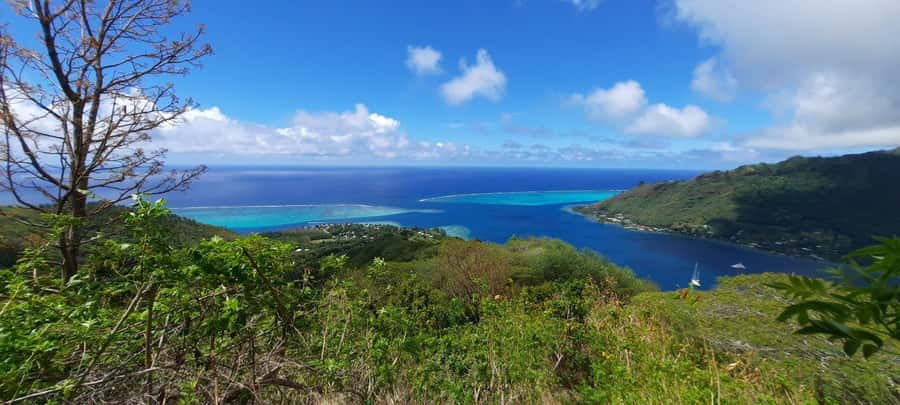
The day begins with hotel pickup in Moorea-Maiao, then you head straight to the Toatea viewpoint for a photo stop. It’s a good opening move because it sets the geography. You get oriented fast, and once you’ve seen how the bays and reef area fit together, the later stops make more sense.
Next comes Cook’s Bay, with a guided visit. This is where the story starts shifting from scenery to people and navigation. You’ll learn about the first navigators linked to the discovery of Tahiti and Moorea, which gives the whole island a sense of origin and movement. It’s a useful framing if you’re the kind of traveler who wants context—not just a checklist of sites.
One practical note: plan for sun. Lookouts can be bright and hot, and the tour doesn’t include meals. Water is a must, and you’ll want to use shade when you get it.
Forest passage to the crater interior: species, agriculture, and the island’s shape
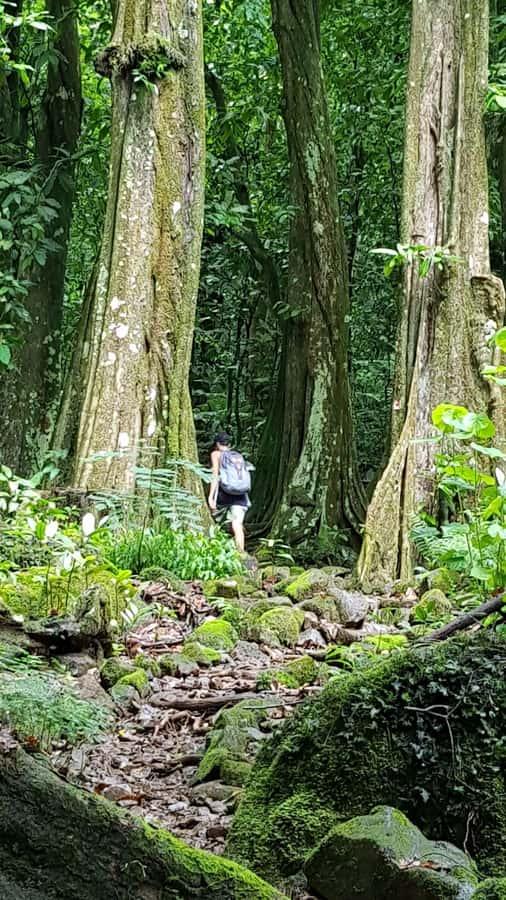
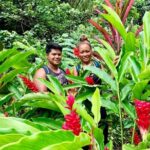
After the bay stop, the route moves through a tropical forest. This portion is about more than walking between viewpoints. The guide points out different species and connects them to how people understood and used natural resources.
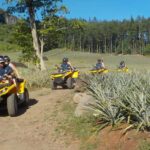
Then you cross a river area and enter the island’s crater interior zone. You’ll get an incredible view of the caldera from this part of the route, plus a look at pineapple fields. That pairing—natural formation and plantation-style agriculture—helps you connect two eras: the island’s physical story and the modern uses you can still see today.
This is also a part of the day where the tour can surprise you with what you notice. Even if you’ve seen pictures of Moorea’s crater and plantations, having a guide connect vegetation and land use to culture makes it stick. It’s the difference between seeing a view and understanding why it’s there.
Ōpūnohu area and archaeological stops: stepping back without feeling lost
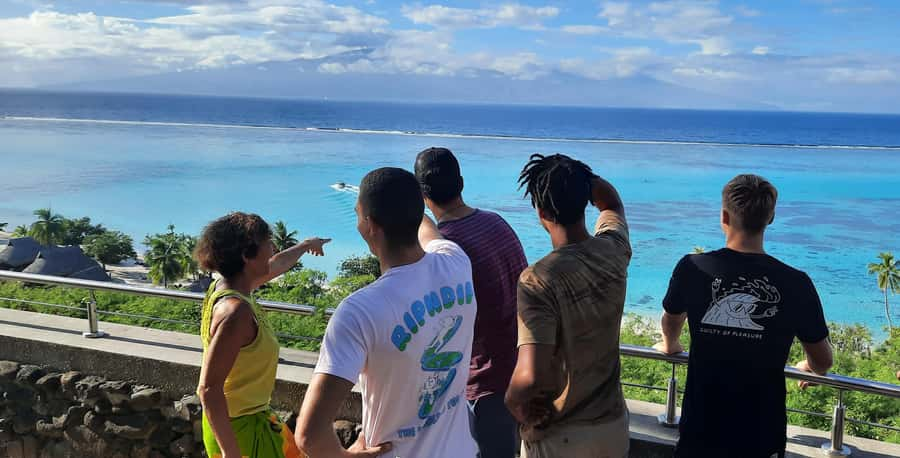
You’ll reach the Ōpūnohu area next. There’s a photo stop, then a guided visit. The emphasis here is archaeological and early Polynesian life. The tour guides you through the famous Ōpūnohu archaeological site, and you’ll hear how the first Polynesians shaped daily living and how the area fits into broader island settlement patterns.
This is one of those moments where a guide earns their keep. The site doesn’t come with a giant, self-guided “here’s what you’re looking at” signboard vibe. You’ll get much more out of it if you let the guide translate what the traces mean.
I also appreciate how the tour keeps the pace moving. In a short 4 hours, you don’t have time for confusion. Every time you stop, you get a reason for being there—and a story to attach to the view.
VR reconstructions: marae ceremony and a naval battle in 17th-century style
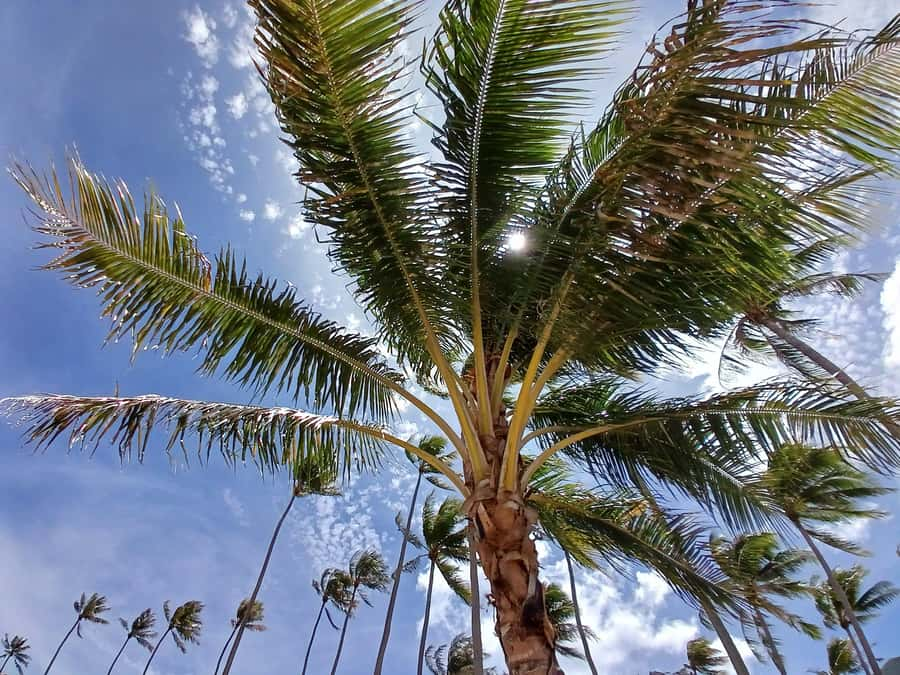
The standout experience is the virtual reality archaeology portion. VR headsets are provided on site, and the reconstructions have scientific support from the Department of Culture.
The big promise is simple: you travel back in time. The VR experience focuses on a ceremony on a marae and a naval battle in the bay, presented as part of the island’s 17th-century-era cultural setting. The guide also shares myths and legends, which helps the VR feel connected to Polynesian tradition instead of feeling like a random computer game.
If you’re curious whether VR will feel gimmicky, I’d say it’s used as a storytelling tool here. You’re on location, so the headset becomes a way to “fill in” what’s no longer standing. That’s a smarter use of technology than doing VR in a totally generic room.
It’s also why small group size matters again: you’re more likely to hear instructions clearly and time your movements so you’re not stumbling while people swap headsets.
A few more Moorea tours and experiences worth a look


Belvedere panorama and missionary history: religion as a visible turning point
After the archaeology and VR portion, you’ll head toward the Belvedere lookout for a photo stop and scenic views. This is where you get a final big-picture view of Moorea’s two bays.
Then the day continues with more guided exploration and a walking segment. This is where missionary-era context comes in. Moorea was marked by the arrival of the first Protestant and Catholic missionaries in the early 19th century, and the tour includes their history and their temples.
Even if you’re not a “religion in history” person, this stop helps you understand why certain places look and feel the way they do. Temples and religious sites weren’t just spiritual centers—they also influenced community structure and how people organized life.
If you want a clean mental timeline by the end of the tour, this part is key: you’ll have gone from early Polynesian settlement themes, through later cultural ceremony storytelling, then into 19th-century mission history.
Rotui Juice Factory & Distillery tasting: sweet end to a historical day
The tour finishes with a break at the Rotui Juice Factory & Distillery. You’ll have a little time for shopping and a tasting session.
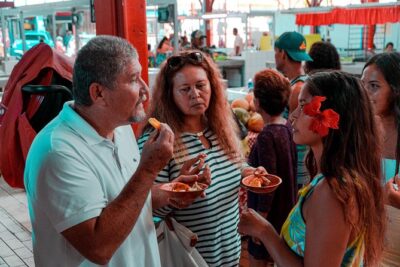
This isn’t a token sip. The included tasting features tropical fruit juices, punch, and local beer. The distillery also has a champagne tasting component noted for this stop. It’s a nice reset after VR and walking—cool drinks, time to compare flavors, and a chance to pick up something small to bring home.
A practical tip: if you’re driving or planning any evening activity right after, keep the beer in mind. You don’t need to avoid it, but pace yourself like you would anywhere.
What you get for $117: value that comes from time, transport, and VR
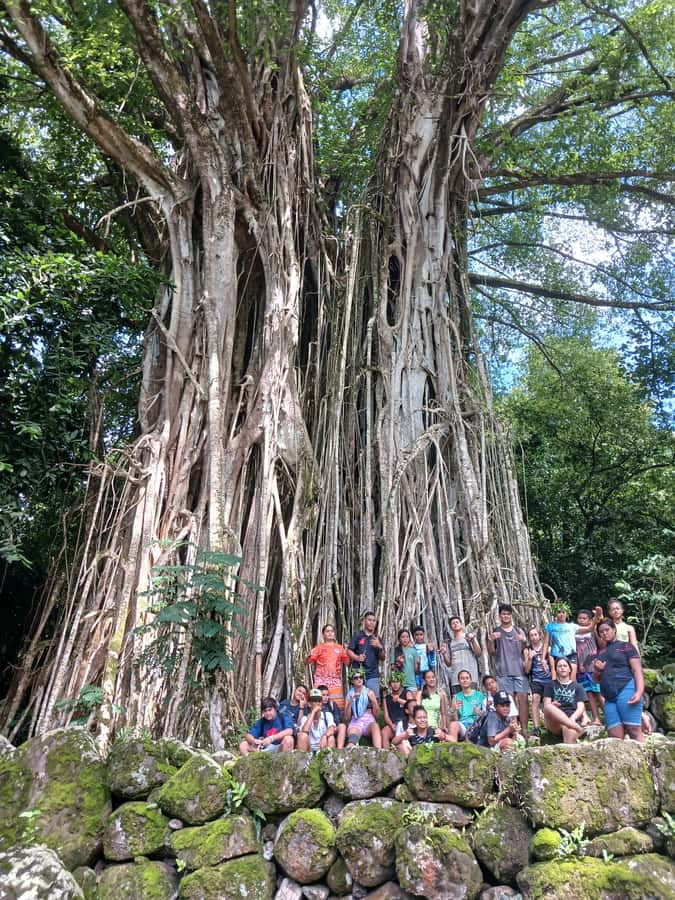
At $117 per person for about 4 hours, this isn’t the cheapest half-day option on Moorea. The value comes from what’s bundled together:
- Hotel pickup and drop-off from Moorea-Maiao
- A live local guide (English or French)
- VR headset use for the reconstructions
- A distillery tasting and included fruit juice tasting
If you priced these things separately—especially VR time plus guided interpretation—you’d likely find it’s hard to build a similar experience for less. What makes it feel fair is that it’s not just transport between scenic spots. The route is built around sites that actually need explanation, and the VR component adds cost and novelty that you can’t DIY on your own in the same way.
Who should book this Moorea VR nature and culture tour
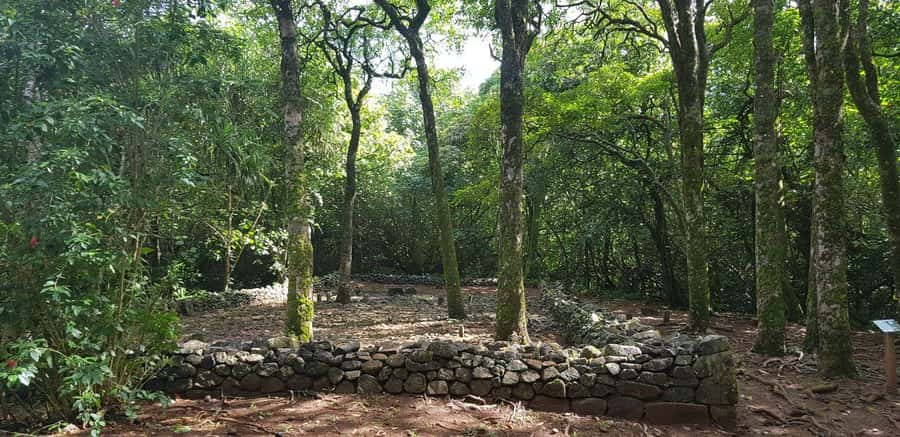
This is a strong fit if you want:
- A guided overview of Moorea’s culture and history, not just scenic driving
- VR archaeology that adds meaning to places you visit
- A small group day where you can ask questions
It may be a poor fit if:
- You need wheelchair access or have significant mobility limits (the tour isn’t suitable for wheelchair users and mobility impairments)
- You have back problems or need very low walking
- You’re traveling with kids under 5, or you’re over 70 (the tour lists suitability limits)
For timing, it’s best for visitors who want a first or second day activity—something that helps you understand the island quickly before you go exploring on your own.
And if you’re lucky enough to get Christine, the guide experience is a huge part of the praise. She’s described as especially warm, knowledgeable, and good at turning Moorea’s history into something you can picture.
Should you book? My take
Book it if you want a thoughtful Moorea day in only 4 hours, with VR history as the centerpiece. It’s a tour where the stops feel purposeful, and the included tasting gives you a friendly landing at the end.
Skip it if you’re mainly after a light, no-pressure nature walk, or if you need accessibility features the tour doesn’t support. Also, since meals aren’t included, plan a proper meal before or after so you don’t end the day hungry.
FAQ
FAQ
How long is the Moorea Safari Nature and Culture Tour?
It lasts about 4 hours.
Is hotel pickup and drop-off included?
Yes. Pickup and drop-off are included, with pickup from Moorea-Maiao and return there.
What’s included besides the guided tour?
The tour includes VR headset use for the archaeological reconstructions and a fruit/juice tasting, plus a distillery tasting at Rotui Juice Factory & Distillery.
Does the tour include meals?
No. The tour does not include meals.
What languages are the guides?
The live tour guide is available in English and French.
How big is the group?
It’s a small group limited to 8 participants.
What should I bring?
Bring comfortable shoes, a camera, water, comfortable clothes, and insect repellent.
Is VR included on site?
Yes. VR headsets are provided on site for the archaeological reconstructions, including a ceremony on a marae and a naval battle.
Who might not be able to join the tour?
The tour is not suitable for children under 5, babies under 1, pregnant women, people with back problems, people with mobility impairments, wheelchair users, people over 80, and people over 70.