REVIEW · MOOREA
Whale Tour – Observe and swim with whales
Book on Viator →Operated by Enjoy Boat Tours Moorea · Bookable on Viator
Seven swimmers, one whale show.
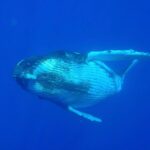
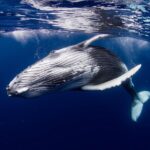
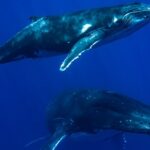
This Moorea trip is built around humpback whales you can observe up close in their natural Pacific habitat, with approach rules that keep things respectful. The tour also plans for two water groups, based on what the whales are doing and what the ocean is like, so your day stays focused on wildlife, not a crowd.
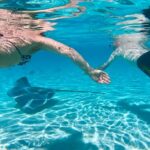
I love the small cap in the water: max 7 people including the guide, plus a max total group size listed at 8 travelers. I also like that you get more than whales—there’s a short lagoon snorkel stop where you may see stingrays alongside reef sharks.
One thing to consider: this is not a sit-back-and-snack outing. It can be physically demanding on open-ocean conditions, and motion-sickness risk is real if you’re sensitive to boat travel.
In This Review
- Key things to know before you book
- Moorea’s whale season is special because the rules are real
- The approach limits (7 in the water) and how that affects your swim
- Getting ready: fitness, gear, and what you’ll miss if you don’t plan
- Stop 1 off Moorea: humpbacks, dolphins, and sharks (with safety distance first)
- Stop 2 in the lagoon: stingrays and reef sharks in a shorter, calmer feel
- The crew matters: safety pacing and guides who know where to go
- Photos, the “pro” factor, and how to think about the value of memories
- Price and value: what $270.63 buys you (and what it doesn’t)
- Weather, seasickness, and how to avoid a bad match
- Who should book this whale swim with lagoon snorkeling?
- Should you book this Moorea whale tour?
- FAQ
- Where does the tour start, and where does it end?
- How long is the whale tour?
- Do I have to swim with the whales?
- What animals might I see besides humpback whales?
- Is there a group limit in the water?
- What snorkeling items are included, and what should I bring?
- What happens if weather is poor?
- Can I cancel if my plans change?
Key things to know before you book
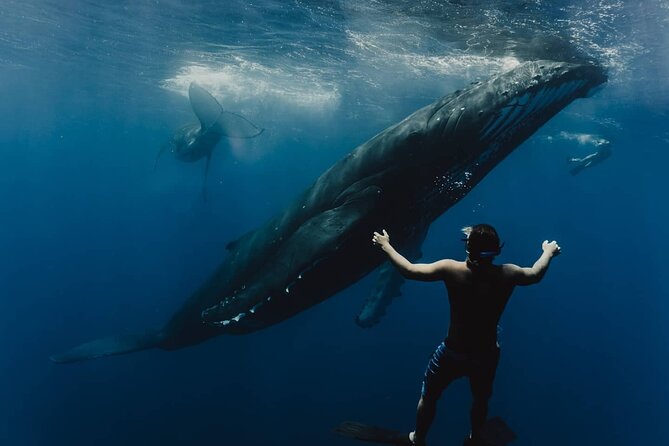
- 7-in-the-water limit (including the guide) helps protect whales and keeps the snorkeling controlled
- Release rules depend on behavior and weather—you only get in when conditions are favorable
- More marine life than just whales: narrow-beaked dolphins, reef sharks, and deep-sea sharks are commonly seen
- Lagoon snorkeling is short but varied: stingrays and reef sharks in the lagoon stop
- Joaquin-led photo moments show up in many trips—a guide/photographer can capture your swim for later purchase
- You can observe from the boat if you don’t want (or can’t) do the water part
Moorea’s whale season is special because the rules are real
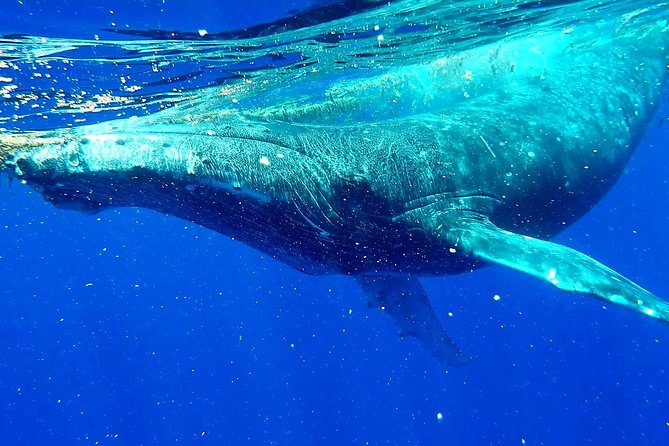
Moorea is one of those places where whales show up reliably enough that tours can build a day around them, not around luck alone. The key is that this experience isn’t about chasing a quick photo from the shore. It’s about getting into position in the open water when humpbacks are near, then switching on a slow, respectful rhythm that matches marine life.
The big “why” here is simple: whales are living animals with rest cycles. This tour’s approach limits the number of swimmers in the water and uses whale behavior and weather as the go/no-go decision. That changes the whole vibe. You’re not surrounded by a floating crowd. You’re in a controlled group where the goal is observation and safe spacing first.
Also, there’s a practical upside for you: the tour is designed to keep you busy and engaged even before you’re in the water. You’re on the boat long enough to watch for more than one species, and the crew is actively hunting the best location.
You can also read our reviews of more whale watching tours in Moorea
The approach limits (7 in the water) and how that affects your swim
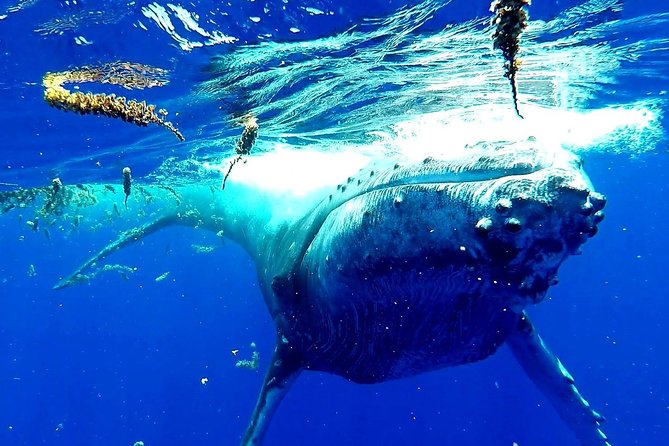
Let’s talk about the number that matters: max 7 people in the water, including the guide. That policy isn’t just marketing. It directly affects how your swim feels.
With fewer people packed into one area, you’ll get:
- more personal attention when you’re getting set up with mask, snorkel, and fins
- better ability to stay together (which helps safety)
- fewer chaotic splashes that can disrupt animal behavior
The tour also organizes two groups, which helps keep everyone from turning into one giant floating block. And there’s another rule that matters for your expectations: the guide releases animals only when weather and animal behavior line up. If whales aren’t doing the right thing, you may stay on the boat and still enjoy the wildlife viewing.
So even if you don’t get the maximum swim time every day, you’re still paying for a system that tries to respect the animals instead of forcing a “you must swim” moment.
Getting ready: fitness, gear, and what you’ll miss if you don’t plan
This outing is rated for travelers 12 years and over, but the real requirement is comfort in the big open ocean. The tour asks for strong physical fitness, and it expects you to know how to swim effectively and use snorkeling gear properly.
Here’s what to prep so the day goes smoothly:
- Be comfortable swimming with fins (or plan to practice in calm water before you go)
- Bring the right expectations about sea conditions; choppy water changes everything
- If you’re prone to motion sickness, take precautions early rather than hoping for the best
In terms of gear, you’re provided:
- snorkeling equipment
- flotation device
- bottled water
- a dry compartment (helpful for phone and small camera gear)
- private transportation
What’s not included: towels and sunscreen. I’d treat those as must-bring items, not optional extras.
One more practical note from the vibe of the experience: a pro guide/photographer (Joaquin is specifically mentioned often) may be capturing your time in the water. That can be great for memories, but it also means you’ll want to be ready to follow direction so you don’t miss shots or lose your place.
Stop 1 off Moorea: humpbacks, dolphins, and sharks (with safety distance first)
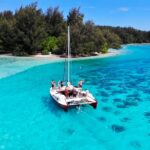
This is the main act: about 3 hours 35 minutes focused on whale viewing and, when the conditions allow it, swimming.
You can reasonably expect the hunt to include:
- humpback whales
- narrow-beaked dolphins
- reef sharks
- deep-sea sharks
When swimming is on the menu, the tour emphasizes safety distance and the animals’ rest. That usually means the crew positions you carefully, and the guide controls timing and spacing so you don’t feel like you’re freelancing in the water.
I like this setup because it turns your swim into a guided experience. You’re not just chasing whatever you can see. The guide is watching whale behavior, and you follow their instructions to stay grouped and calm.
A real-world consideration: the water part can be physically tough, especially if there’s swell. Several people point out that conditions matter a lot. So if you’re trying to plan a “guaranteed” swim, don’t think that way. Think: you’re going for the best chance, and the day will decide how close you can get.
Stop 2 in the lagoon: stingrays and reef sharks in a shorter, calmer feel
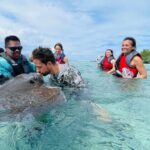
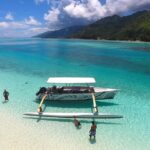
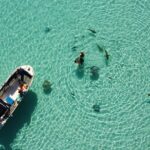
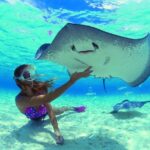
After the whale time, the day shifts to a lagoon snorkel stop of about 10 minutes. This part is much more “classic snorkeling” in feel than the open-ocean swim.
You’re looking for:
- stingrays
- reef sharks
Because the stop is short, you’ll want to be ready right away—mask on, snorkel functioning, fins secure, and your head in the water early. This is the kind of swim where good buoyancy and slow movements matter. The goal is to watch, not to wrestle the sea.
If your open-ocean conditions were rough, the lagoon stop can feel like a reset. Even if you did a whale swim, this second stop gives you a different kind of animal encounter before you head back.


The crew matters: safety pacing and guides who know where to go
The best part of a whale trip is the moment the boat finds whales. This operator leans heavily into that skill. Names that show up in the experience include Tamuti, Ike, Alfred, Amo, Mankato, Carlos, and especially Joaquin as a guide and photographer.
What you should take from that: you’re not just buying a ticket. You’re buying time on a boat with people who actively scan, position, and manage groups in the water.
You’ll also notice the emphasis on safety and instructions. Some travelers highlight how clearly guides talk through what to do (and what not to do) in multiple languages—English and French are specifically mentioned. Still, I’d treat every safety briefing as something you actually participate in. If you’re unsure about a cue, ask in plain language. This activity depends on you and your comfort level as much as it depends on the crew.
Photos, the “pro” factor, and how to think about the value of memories
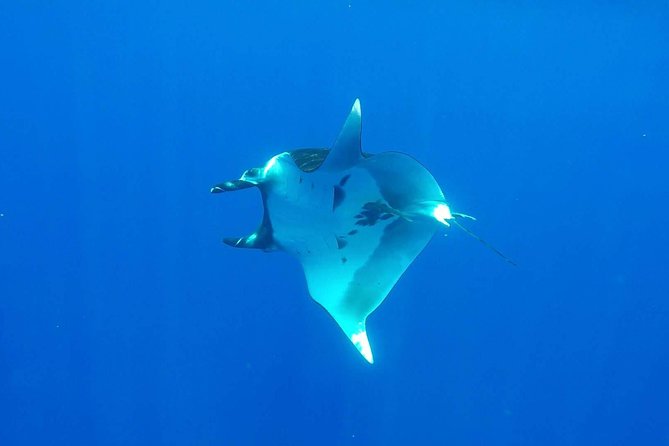
Many people love having a guide/photographer along for the swim. Joaquin is frequently named in that role, and the setup is built to make it easier to remember what happened out there. The photos and videos are typically offered for purchase at the end.
Here’s the balanced take: paying for memories can be worth it when you know you’ll forget the details later, especially with fast-changing animal sightings. But don’t assume the photos will automatically match what you’d get from your own GoPro setup. If photography matters most to you, bring a camera you can secure properly—or go with the pro team’s plan and accept that you’ll be trading control for storytelling.
Either way, the bigger “value” is the close encounter itself. Cameras are secondary.
Price and value: what $270.63 buys you (and what it doesn’t)
At $270.63 per person, this sits in the “premium nature experience” category. The value is in the combination:
- a whale-focused day in Moorea
- strict limits on how many people can be in the water
- active crew work to find wildlife
- snorkeling gear, flotation device, and bottled water
- private transportation
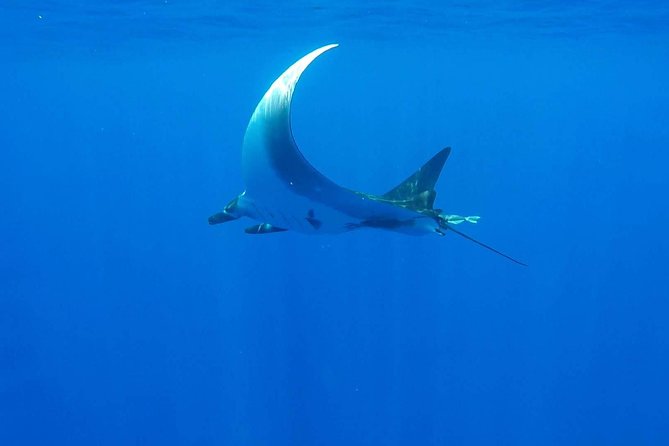
- a short lagoon add-on with stingrays and reef sharks
What you don’t get included: towels and sunscreen, and you may still choose to watch from the boat rather than swim.
Is it worth it? If you want the rare chance to watch whales in their natural environment with a respectful approach, then yes—especially because the operator is trying to cap the human impact with the 7-in-water limit. If you’re primarily after a relaxed pool-like swim, this won’t be that. And if rough sea conditions happen, the day can shift toward observation.
Weather, seasickness, and how to avoid a bad match
This tour requires good weather. If weather is poor, you’ll be offered a different date or a full refund. That’s not a small detail—it’s part of how the tour stays safe.
For you, the real question is: how do you handle motion on boats?
- If you get seasick easily, take precautions before you board.
- If you’ve never tried motion-sickness medication, don’t wait until you’re already out on the water.
- If the ocean is choppy, expect the “swim with whales” part to feel harder, not easier.
Also remember: launching into the water isn’t required. If you’re able to swim but the conditions feel too much, you can still enjoy the day from the boat. That flexibility can save your trip.
One more practical note: if you tend to get cold, consider wearing extra protection. Wetsuit advice comes up in the experience, and cold water can change how well you snorkel and how long you feel comfortable.
Who should book this whale swim with lagoon snorkeling?
This is a strong fit if you:
- can swim comfortably in open ocean conditions
- want a whale encounter with tight water limits
- enjoy guided instruction and wildlife safety rules
- want more than whales, with stingrays and reef sharks in the lagoon
It’s less ideal if you:
- know you get motion sickness easily
- want a fully relaxed, minimal-effort tour
- aren’t comfortable using fins, mask, and snorkel for sustained time
It’s also a great option for older teens and adults who want a bucket-list day that still feels grounded in real marine behavior, not a theme-park performance.
Should you book this Moorea whale tour?
I’d book it if you’re chasing two things: humpback whales in Moorea and a guided experience that respects animal space with a small water cap. The combination of whale watching plus a lagoon snorkel stop makes the day feel like more than one moment—it’s multiple wildlife encounters, guided and timed.
I’d think twice if you’re very sensitive to boat motion or if you know your swimming confidence drops when the water gets rough. In that case, you can still choose observation from the boat, but your trip will be more about wildlife viewing than a carefree swim.
If you book, go in prepared: bring sunscreen and a towel, take motion sickness seriously, and be honest with yourself about open-ocean comfort. Do that, and you’ll have a real shot at one of the most memorable marine experiences French Polynesia offers.
FAQ
Where does the tour start, and where does it end?
The tour meets at Enjoy Boat Tours Moorea (Moorea-Maiao, French Polynesia) and ends back at the same meeting point.
How long is the whale tour?
The total experience is about 4 hours.
Do I have to swim with the whales?
No. Launching into the water is not obligatory, and you can observe whales from the boat.
What animals might I see besides humpback whales?
You may see narrow-beaked dolphins, reef sharks, and deep-sea sharks. The lagoon stop also includes snorkeling for stingrays and reef sharks.
Is there a group limit in the water?
Yes. The maximum number allowed in the water is 7, including the guide. The overall activity also lists a maximum of 8 travelers.
What snorkeling items are included, and what should I bring?
Included items are snorkeling equipment, a flotation device, bottled water, and a dry compartment. You should bring towels and sunscreen (these are not included).
What happens if weather is poor?
The experience requires good weather. If it’s canceled due to poor weather, you’ll be offered a different date or a full refund.
Can I cancel if my plans change?
You can cancel for free up to 24 hours in advance for a full refund. If you cancel less than 24 hours before the start time, you won’t receive a refund.