REVIEW · MOOREA
Whale watching 6 people half day
Book on Viator →Operated by Mori Ora · Bookable on Viator
Moorea turns marine biology into a front-row show. This half-day whale watching trip focuses on animal-friendly rules and gentle approaches based on real behavior, so your time at sea feels calm and purposeful. It’s also a small-group outing (max 6 people), which helps the crew manage your time in the water when humpbacks decide to show up.
I like the clear emphasis on safety and respectful interaction: you get a briefing, then the guide helps you understand how humpbacks behave in the moment. The other big win is the chance to experience humpback whale “moments” beyond just spotting—things like singing males, courtship behavior, calves with mothers, and the overall rhythm of how the animals move and rest. One possible drawback: swimming isn’t guaranteed, and the water time depends on conditions and what the whales are doing, plus you’ll want to be comfortable with open-ocean swimming using fins and a mask/snorkel.
In This Review
- Key things I’d plan around
- Moorea Whale Watching: what makes this one feel different
- From Moorea Marina to the open sea: the half-day flow
- Swimming and snorkeling: who should get in the water
- What whales are you actually likely to see?
- Meet the crew vibe: respectful, patient, and tuned in
- Boat comfort and sea conditions: plan for the ocean’s mood
- Price and value: is $273.29 per person worth it?
- Weather and what happens if the sea won’t cooperate
- Who should book this Moorea whale watching trip
- Should you book it?
- FAQ
- FAQ
- How long is the whale watching tour?
- What group size should I expect?
- Where do I meet for the tour?
- Are humpback whales guaranteed?
- Can non-swimmers still enjoy the tour?
- Is swimming required?
- What marine animals might we see besides humpbacks?
- When will I get confirmation after booking?
- What happens if weather is poor?
Key things I’d plan around
- Small group (max 6): better control in the water and more personal attention from the naturalist guide.
- Guides prioritize behavior over chasing: the crew approaches gently based on what the whales are doing, not just speed.
- Swimming depends on conditions: non-swimmers can stay aboard and still watch and listen.
- You could see more than humpbacks: dolphins, sperm whales, flying fish, and seabirds are possible.
- Bring motion-sickness help if you’re prone: at least one guest reported severe seasickness yet still felt it was worth it.
Moorea Whale Watching: what makes this one feel different
In French Polynesia, it’s easy to find “whale watching” tours that promise big things and then spend most of the time looking for the animals. This one feels more like a guided wildlife encounter with a plan.
The big difference is how the crew works: they’re not just scanning for spouts. They watch behavior and then decide whether a gentle approach makes sense. That’s what makes it feel more respectful and less chaotic. You’re still out on open water, so nature controls the schedule, but you’re not doing random sprinting.
It also helps that this is a small committee excursion. In plain terms: fewer people competing for space and attention means the crew can do the safety and animal-handling steps correctly. If you’ve ever been on a crowded boat where everyone’s jostling for position, you’ll appreciate the calmer vibe here.
You can also read our reviews of more whale watching tours in Moorea
From Moorea Marina to the open sea: the half-day flow
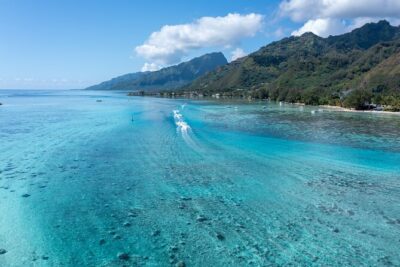
Your day starts at Moorea Marina, BP 1173, in Opunohu (98829). The tour runs about 4 hours, though the actual time can land between 3 and 4 hours depending on weather and whale activity.
Here’s the rhythm you can expect:
1) Meet and get oriented at the marina
You’ll board and get the setup for the day. The ticket is a mobile one, so you’ll want your phone ready when it’s time to check in.
2) Short safety and whale briefing
Before anyone enters the water, there’s a briefing on how to behave, where to position yourself, and how to handle the fins-and-snorkel routine safely. Several people highlight that the guide took time to explain the basics before the first swim attempt.
3) Search mode, then behavior-based moments
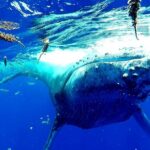
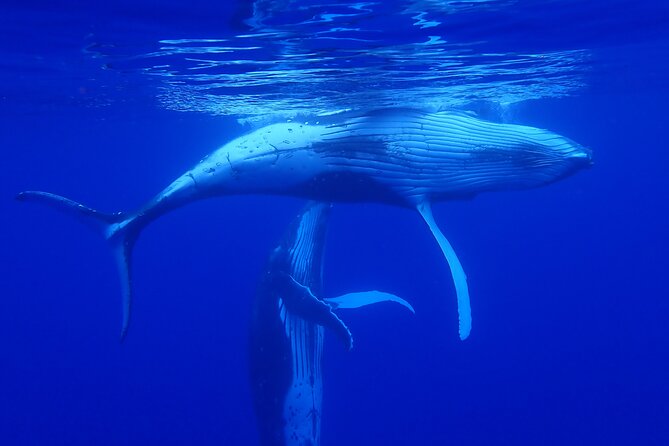
Once you’re out, the crew looks for humpbacks and also keeps an eye out for other marine mammals. Then the tone changes depending on what the animals do: solitary whales, groups, whales resting, a singing male, or a more social scene with calves present.
4) Gently approach if conditions permit
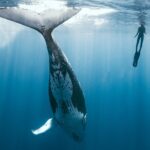
If the day cooperates, the crew can launch and make a gentle approach. This is where the trip becomes special because it’s not just watching from the boat. You may get a controlled water moment when the whales are close enough and the conditions allow.
5) Return to the marina
At the end of the half-day, you head back to the meeting point. The timing stays flexible because whale watching is weather and animal-dependent.
Swimming and snorkeling: who should get in the water
This is one of those tours where “swimming” is a choice, but it’s also tied to your comfort level.
The tour recommends good ease in the water and says swimming with fins is best. If you’re a strong open-ocean swimmer and you’re used to using fins with a snorkel mask, you’re set up to have the most active experience.
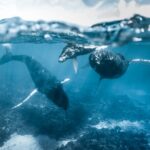
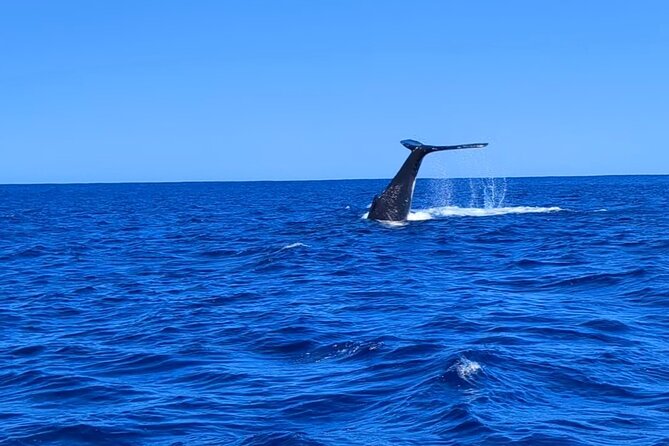
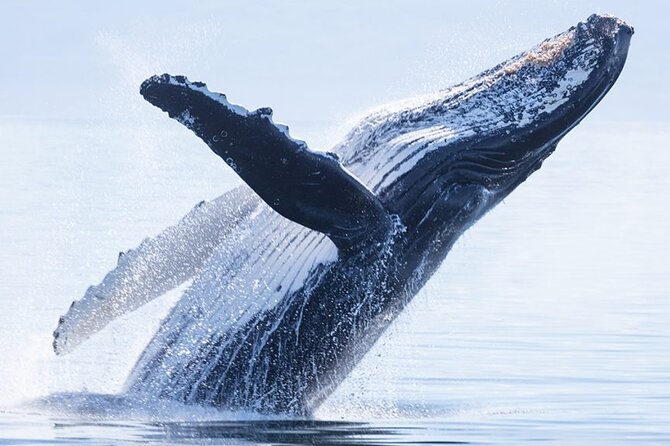
If you’re not a swimmer, you can still enjoy the trip. The setup allows non-swimmers to observe from the boat with the captain. And even from aboard, you can catch a lot: whales breaching, circling, diving (described as going underwater), and most importantly, hearing humpbacks sing when they’re vocal.
One practical takeaway from real-world experience: bring motion-sickness prevention if you tend to get queasy on boats. Rougher seas can happen. One person even said they were extremely seasick but still felt the experience was incredible, which tells me it’s worth being prepared rather than hoping you’ll magically feel fine.
What whales are you actually likely to see?
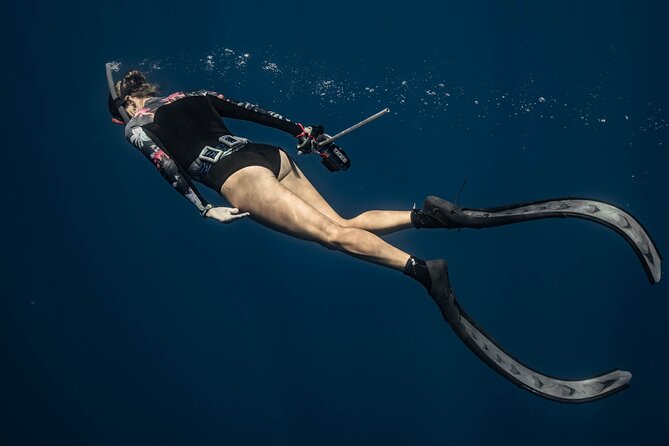
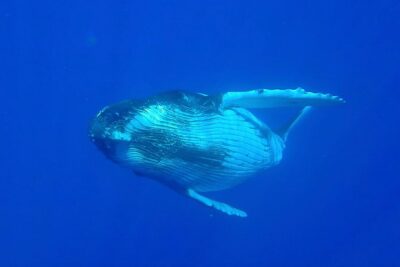
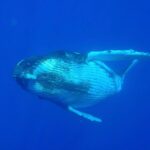
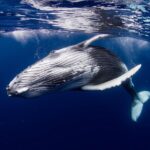
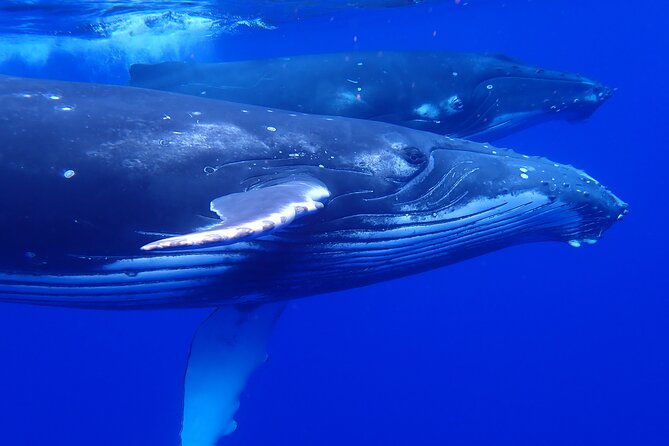
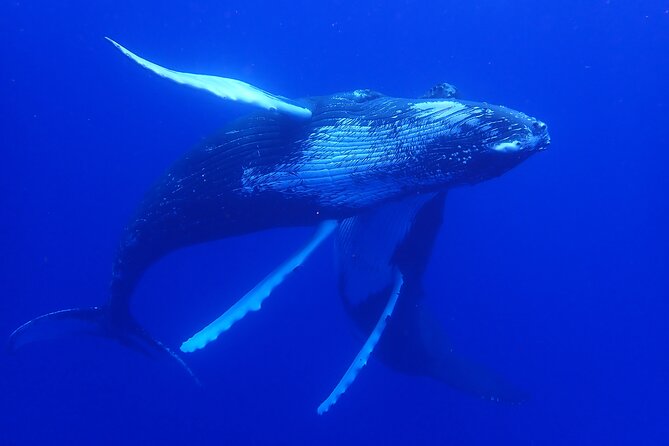
Humpback whales are the headline. The crew can help you understand what you’re looking at as the encounter unfolds.
Possible whale behaviors you may witness include:
- Singing males
- Love or courtship behavior (people mention “love parades” style activity)
- Groups with and without calves
- Resting whales and individuals alone
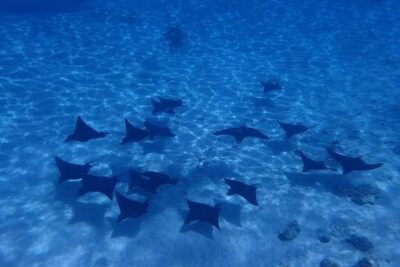
And it’s not always only humpbacks. The tour description also leaves room for other marine mammals and sea life, including:
- globicles
- long-billed dolphins
- narrow-billed dolphins
- sperm whales
- flying fish
- hunting seabirds
In other words, the day isn’t only one species. If humpbacks are present, they’re the focus, but you’re also in the right place in Moorea for a wider marine show.
Meet the crew vibe: respectful, patient, and tuned in
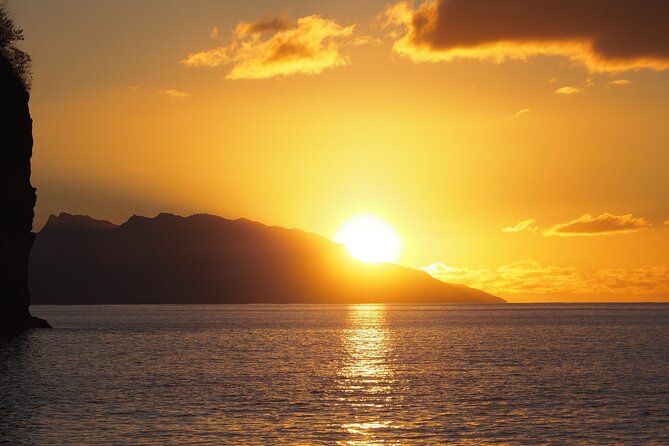
The crew approach is consistently praised as gentle and respectful. The key is that your guide isn’t just reading the ocean like a map—they’re reading whale behavior like a language.
In the experiences people describe, the naturalist guide handles two jobs well:
- Teaching you how to act around whales
- Explaining what whale behavior means
Some guides named in accounts include Doris and Jay. Captains named include Sebastian. Different days, different roles, same idea: safety first, patience always, and a clear love for the animals.
If you’re someone who likes rules done right, this style matters. A respectful guide helps you relax. And when you relax, you actually notice what’s happening—small shifts in movement, changes in surfacing patterns, and the moments when a whale turns from passing by to engaging with the area.


Boat comfort and sea conditions: plan for the ocean’s mood
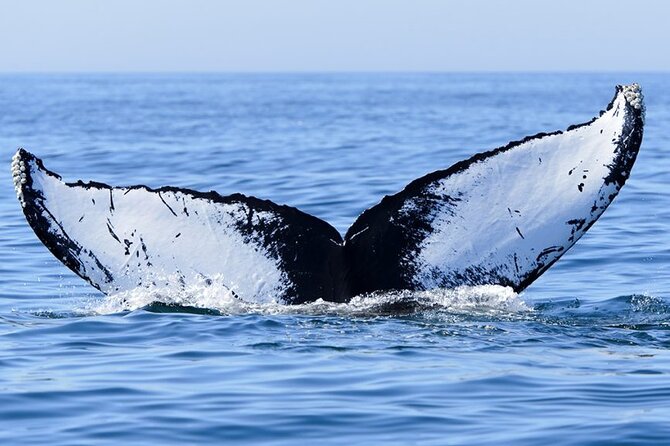
Moorea’s sea can be friendly, but this is still open water. One account described rougher seas with high waves and said the boat felt stable and made good time toward the whales.
That’s encouraging, but it doesn’t remove the reality that water conditions can change quickly. So here’s how I’d plan:
- If you’re prone to seasickness, take your prevention ahead of time. Don’t wait for the first wave.
- Dress for spray and wind. Even if the air is warm, the deck can feel chilly once you’re moving.
- If you’re going in with fins and snorkel, make sure you’re comfortable with that gear and the basic movements before you commit to entering the water.
This tour is best for people with at least moderate physical fitness level. Not because it’s a workout, but because you’ll be on the ocean for hours and movement in fins can require a bit of stamina.
Price and value: is $273.29 per person worth it?
At $273.29 per person, this isn’t the cheapest option on Moorea. But whale watching in French Polynesia tends to price based on two things: boat time and how many people can realistically be kept safe and managed during water encounters.
Here, the value comes from the combination of:
- a max group size of 6
- a guide/naturalist component centered on behavior and safety
- the chance for a gentle, guided approach when conditions allow
- the possibility of seeing multiple whale behaviors in a single half-day session
Also, it’s not framed as a guarantee. Swimming with wildlife is described as never guaranteed. That matters for value: you’re paying for the crew’s work and setup, not a promise that you’ll definitely snorkel.
So I’d judge the price on fit. If you want a calmer, more controlled encounter (instead of a big scramble on a crowded boat), this price starts to make sense. If you’re only interested in viewing from the shore or you hate open ocean movement, then you may want to weigh alternatives.
Weather and what happens if the sea won’t cooperate
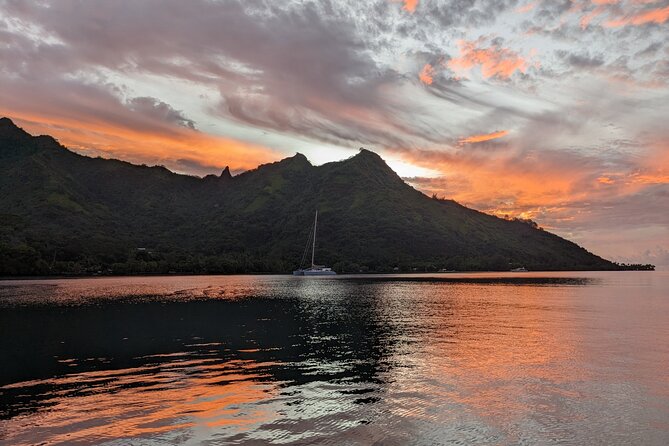
Weather is a real factor here. This experience requires good weather, and if it’s canceled due to poor conditions, you’ll be offered another date or receive a full refund.
There’s also a minimum number of travelers needed to run the tour. If that minimum isn’t met, you’ll get offered a different date or a full refund.
The practical angle: build this activity into your plan with flexibility. If Moorea is your trip centerpiece, consider booking it on a day when you have other options nearby.
Who should book this Moorea whale watching trip
I’d put this on your shortlist if you:
- want a small-group whale experience (max 6)
- like learning about animal behavior, not just spotting spouts
- are comfortable with open-ocean conditions and snorkeling with fins
- care about gentle approaches and clear safety briefings
You might skip it if:
- you’re uncomfortable with open water movement
- you need a guaranteed swimming-with-whales moment (this isn’t guaranteed)
- you’re expecting a long day; this is a half-day format, so it’s fast-paced in search mode and then real-time depending on whale behavior
Should you book it?
If your goal is respectful, behavior-focused humpback whale watching on Moorea—and you’re ready to meet the ocean where it is—this tour looks like a strong choice.
Book it if you want the small-group feel, appreciate a real safety briefing, and can handle the idea that swimming depends on conditions and whale behavior. The price isn’t bargain-bin, but the structure (six people, naturalist guidance, gentle approach) is exactly what usually makes the difference between a frantic outing and a memorable one.
FAQ
FAQ
How long is the whale watching tour?
The trip runs about 4 hours, with the actual duration typically between 3 and 4 hours depending on weather conditions and animal activity.
What group size should I expect?
This activity has a maximum of 6 travelers, which helps keep things controlled and personal.
Where do I meet for the tour?
You meet at Moorea Marina, BP 1173, Opunohu 98729, French Polynesia. The tour ends back at the meeting point.
Are humpback whales guaranteed?
No. While the tour focuses on encountering marine mammals and especially humpback whales, sightings and specific situations depend on nature. Swimming with wildlife is also never guaranteed.
Can non-swimmers still enjoy the tour?
Yes. Non-swimmers will be able to observe animals of the boat with the captain. The tour recommends swimming with fins for those who want to enter the water.
Is swimming required?
Swimming with fins is recommended, and good physical condition is required, including comfort with swimming in the ocean using fins, mask, and snorkel. If you don’t want to swim, you can watch from the boat.
What marine animals might we see besides humpbacks?
The tour description lists the possibility of other marine mammals and sea life, including globicles, long-billed dolphins, narrow-billed dolphins, sperm whales, flying fish, and hunting seabirds.
When will I get confirmation after booking?
Confirmation is received within 48 hours of booking, subject to availability.
What happens if weather is poor?
This experience requires good weather. If canceled due to poor weather, you’ll be offered a different date or a full refund.