REVIEW · MOOREA
WHALE TOUR – Watching and Swimming with Whales
Book on Viator →Operated by Temoana Tours · Bookable on Viator
One word: real ocean time. In Moorea, you get a small-group launch to look for humpback whales, and if the conditions and animal behavior cooperate, you’ll move into the water too. I especially liked the team’s respect-first approach and the way guides like Henua and Nicolas focused on safety while still pushing for the best encounters.
Two things I really love: first, they don’t rush the swim. The guide waits and chooses the moment based on weather and how the whales are behaving, so your time feels intentional rather than chaotic. Second, the crew brings the practical know-how, from keeping the group together to spotting where whales surface—one reason people leave saying it felt unforgettable.
One possible drawback: the boat can be open air, so if rain or wind shows up, you’ll feel it. It’s also a physical activity, and if you aren’t a confident swimmer, you may spend more time watching from the boat than getting in the water.
In This Review
- Key highlights at a glance
- Where You Start in Moorea: Quai des Croisières
- Getting Onto the Water: Small Group, Safety-First Launches
- Spotting Whales in the Right Order: Why They Watch First
- The Swim Itself: What to Expect When You Enter the Water
- Matching the Moment: Guide Adjustments That Make or Break the Trip
- The Boat Ride Reality: Open Air, Waves, and Staying Warm
- Time on the Water: How the 4 Hours Typically Feels
- Comfort Extras: What They Provide and What You Should Bring
- Price and Value: What $327.95 Buys in Moorea
- Who This Whale Swim Tour Is Best For
- A Quick Real Talk Check Before You Go
- Should You Book This Moorea Whale Tour With Temoana Tours?
Key highlights at a glance
- Max 6 travelers keeps the experience personal and easier to manage on the water
- Launch timing depends on weather and whale behavior, not just sightings
- Multiple chances to swim (when conditions allow) for better odds than one single shot
- Guides coordinate and adjust in real time, with names like Henua, Nicolas, Johan, and Niko showing up in feedback
- Open-air boat reality means bring layers even when the forecast looks mild
- On-water refreshment touches like water/juice and even beers after are part of the vibe
Where You Start in Moorea: Quai des Croisières
Your tour meets at Quai des croisières G56J+9VV in Moorea, and it ends back at the same spot. That matters if you’re on a cruise, because it keeps things simple: you’re not hunting for a far-off pickup window in the wrong part of the island.
If you’re staying on land and want less hassle, pickup is offered. That’s useful in French Polynesia, where the “grab a taxi” solution isn’t always straightforward, especially if you have an early departure.
Plan for a little waiting. Even on a good whale day, the ocean sets the tempo. One review notes there can be a lot of waiting, but the people who felt it was worth it usually point to the same thing: when whales show up, you get focused time with them instead of rushing past the moment.
You can also read our reviews of more whale watching tours in Moorea
Getting Onto the Water: Small Group, Safety-First Launches
This is designed as a small group experience (maximum 6 travelers), which is exactly what you want for something this physical and unpredictable. Fewer people means the guide can keep a close eye on who’s comfortable, who’s keeping up, and who needs extra time with gear like goggles and snorkels.
You also start with an experienced guide who explains the plan and keeps a tight handle on safety. The wording from the tour description emphasizes a guide who is respectful toward both the ocean and humpback whales, and that respect shows up in how they decide when to go in. Reviews repeatedly credit guide names like Nicolas and Henua for being calm, attentive, and protective of both guests and animals.
Important practical note: the activity is listed for people with moderate physical fitness. That doesn’t mean you need to be an athlete, but you should be ready for boat rocking, wearing swim gear, and swimming when the whales are in range. If you know you get worn down quickly, you’ll want to think twice—or at least be honest with yourself about your swim comfort.
Spotting Whales in the Right Order: Why They Watch First
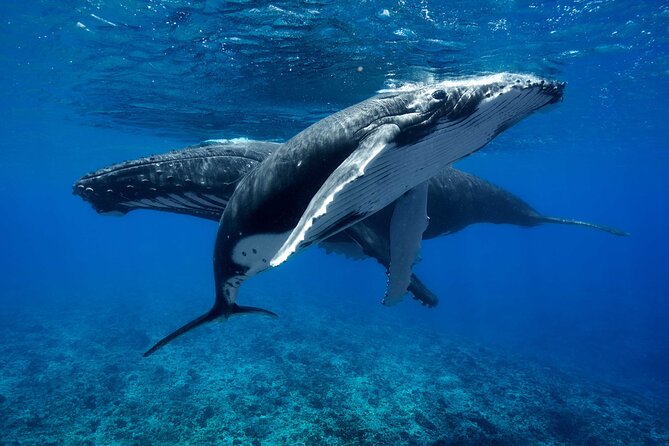
Here’s the smart part: you’re not sent straight into the water the second a whale is spotted. The guide proposes the launch only after they observe that weather conditions and whale behavior are favorable. That gives you a better shot at a safe encounter and it reduces stress for the animals.
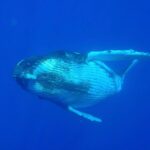
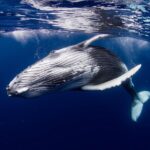
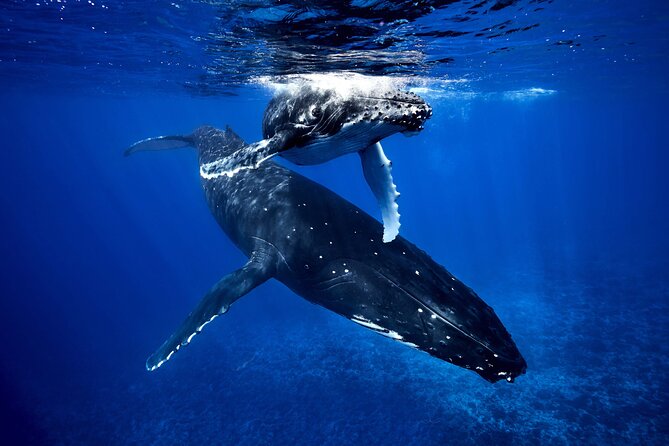
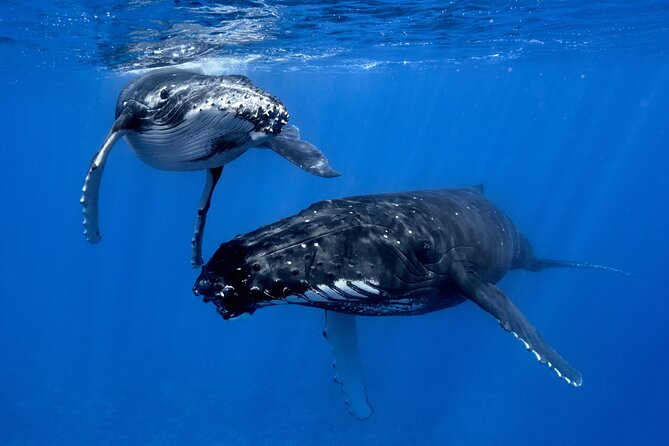
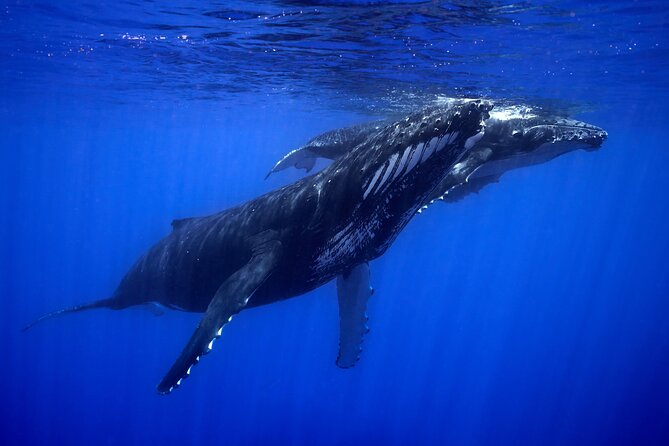
In practice, this means you’ll likely spend time on the boat watching humpbacks surface and move through their area. Multiple reviewers mention seeing humpbacks from the boat, including a mother and baby at close range. Sometimes you’ll get that last-minute, “now is the time” moment, and sometimes your best view is from the waterline and not underwater.
I like this approach for one reason: it keeps expectations realistic. Whale swims depend on the animals, not the schedule. So your “win” isn’t just swimming—it’s getting quality viewing time and then, if conditions allow, making the swim happen.
The Swim Itself: What to Expect When You Enter the Water
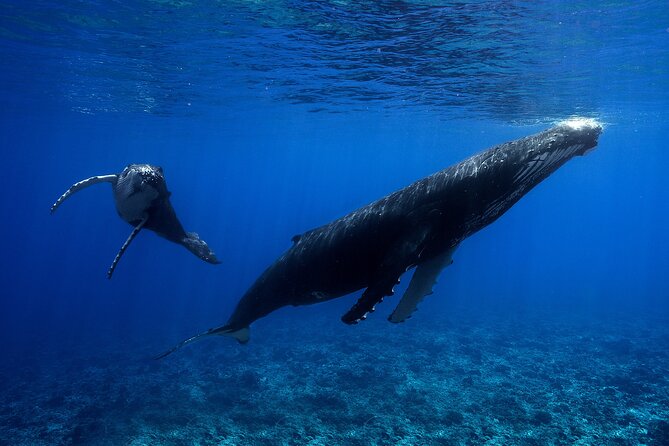
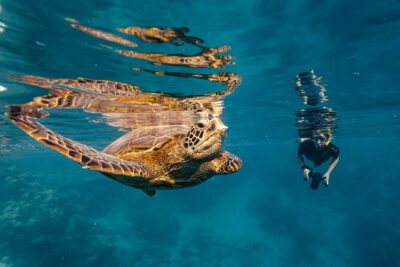
When the guide gives the go-ahead, you’ll swim alongside humpbacks. Reviews talk about encounters that feel emotional and surreal, especially when you see a mother and calf. One swimmer describes how the third try turned into the real moment, which is a good reminder that this activity can take patience.
You should also know what makes this physically tricky. One review calls out that you need to be a decent swimmer. The water can be rough, and timing matters because whales move. Another review highlights how challenging it is to adjust goggles and manage snorkel gear while you’re trying to keep pace in deeper water with waves.
Also, don’t expect every person to be in the water for the same length of time. Even in a small group, the practical reality is that the guide may rotate people or limit the number of swimmers at once for safety and whale-respect rules. If you’re going primarily for the swim, you’ll want to go in with the mindset of multiple opportunities, not one guaranteed long session.
Matching the Moment: Guide Adjustments That Make or Break the Trip
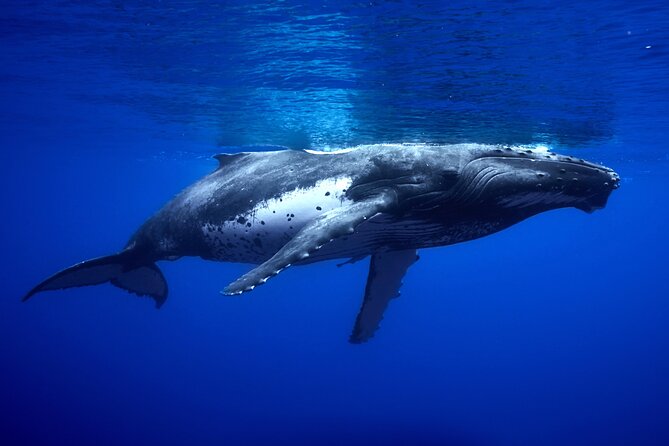
This tour lives on judgment calls. The ocean changes quickly, and whale encounters aren’t on rails. The reviews show that the crew makes adjustments in real time—like repositioning, keeping the group together, and even coordinating with other boats to find sightings.
Guide names you’ll see in feedback include Henua, Nicolas (captain), and Nicolas again as a guide in some messages, plus Johan and Niko referenced as crew. The consistent thread isn’t the exact name—it’s the behavior. People mention guides watching everyone, making sure swimmers stay safe, and keeping an eye on comfort as conditions shift.
One practical consideration you’ll want to plan for: communication. A less-than-perfect review notes the guide spoke mostly French and didn’t always repeat information in English. If you’re not comfortable with basic French, it’s smart to go in knowing that you may need to follow gestures and visual cues. The upside is that safety briefings and on-water positioning tend to be clear even when language varies.


The Boat Ride Reality: Open Air, Waves, and Staying Warm
This is where you need to be honest with your body and your expectations. One reviewer explicitly mentions the boat is open air with no protection from the elements, and they nearly froze on a rainy day. That’s not the kind of thing you can fix with wishful thinking once you’re out on the water.
So, even in warm months, bring layers you can wear over swim gear. Think windbreaker and something warm for after you get back in. If you’re prone to motion sickness, take it seriously. One review recommends taking Gravol beforehand if you get seasick easily.
And yes, there can be waiting. Whale behavior dictates the schedule, and you’ll sometimes spend time watching rather than swimming. That’s not a defect of the tour—it’s how whale watching works. But being prepared makes the waiting feel shorter, not longer.
Time on the Water: How the 4 Hours Typically Feels
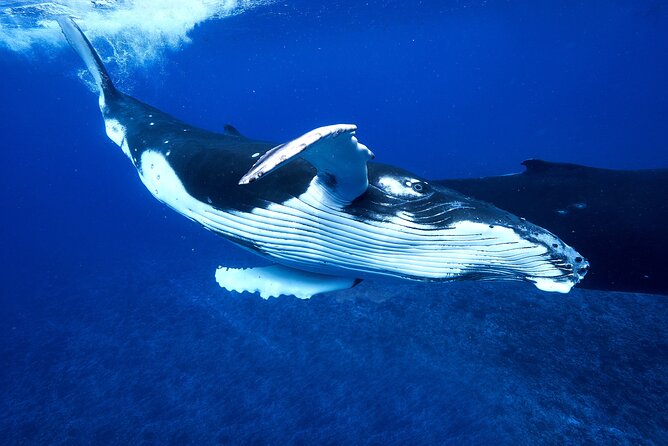
The tour duration is about 4 hours. Within that time, the day usually divides into three parts: boat time searching and watching, then the swim opportunity when conditions allow, then wrap-up as you return to the meeting point.
If you’re hoping for a long swim session, you might be surprised by how quickly the “window” can close. One review notes a shorter time in the water on some attempts, and longer time in others, depending on what the whales were doing that day. The best way to think about it is like this: you’re not buying a controlled swimming lesson. You’re getting access to the whale encounter, and the encounter decides the length.
On the plus side, people often describe multiple swims or repeated tries when whales remain close enough. So even if you don’t get the full dream moment immediately, you may still get another chance later in the tour.
Comfort Extras: What They Provide and What You Should Bring
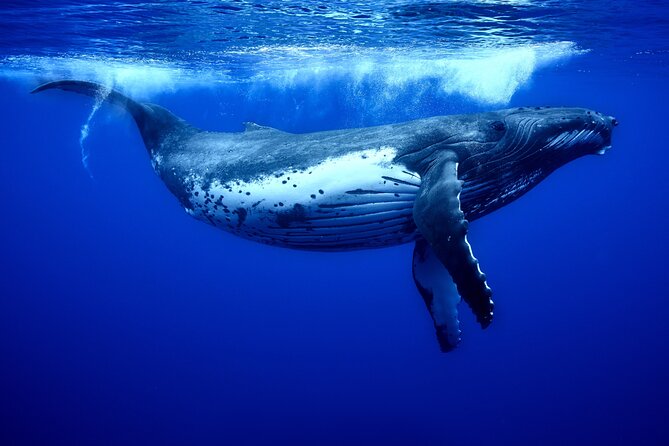
Based on feedback, the crew offers refreshments such as water, juices, and beers after time at sea. That’s a small detail, but it helps after you’ve been cold, wet, and busy.
What you bring matters more than what they bring, because conditions vary. I’d plan around the open-air reality: bring a towel, warm layers for after, and gear that lets you handle waves without fighting your setup. Reviews mention juggling goggles and snorkel gear while swimming, which tells me you should practice tightening straps and getting comfortable before you’re out in deeper, moving water.
If you’re a strong swimmer but not super confident in rougher water, consider that the activity isn’t just fitness. It’s also nerves plus timing plus breathing while you track a whale’s movement.
Price and Value: What $327.95 Buys in Moorea
At $327.95 per person, this isn’t a bargain activity. So I treat it as a “value decision,” not a “cheap fun” decision. Here’s where the value comes from.
First, you’re paying for a small group and for a crew that’s focused on both safety and whale respect. That combination is what keeps this kind of tour from turning into an overcrowded, pushy circus.
Second, you’re paying for real effort to make the encounter happen. Reviews credit guides who work hard to get you into the right position and who may even coordinate with other boats about sightings. If your whale swim is the memory you came for, that kind of hustle matters.
Third, you’re paying for flexibility. The guide waits until weather and whale behavior are favorable before launching into the water. That might sound like “waiting,” but it’s actually part of what prevents you from having a rushed, stressful experience.
What could lower the value for you: if you’re expecting maximum time in the water for everyone. One review criticized how time and closeness varied versus other boats, and another mentioned communication challenges in English. Those aren’t guaranteed issues, but if the swim time is your top priority, it’s smart to set expectations: you’re buying chances, not a guaranteed length.
Who This Whale Swim Tour Is Best For
This experience fits best if you check a few boxes.
You should book if you:
- Want a close-up humpback encounter in Moorea rather than only a distant boat sighting
- Are willing to work with the ocean’s timing and wait when needed
- Are a decent swimmer and comfortable handling waves
- Prefer a small group with a guide watching you closely
- Care about whale-first rules and not just chasing a photo
You might think twice if you:
- Don’t handle choppy water well
- Get cold easily in wind or rain since the boat is open air
- Need frequent English repetition and want very detailed verbal instruction (some reviews note French-heavy communication)
If you’re traveling on a honeymoon or special trip, the emotional upside can be huge. Multiple reviews describe it as a bucket-list moment, especially when they got the mother-and-calf experience.
A Quick Real Talk Check Before You Go
This isn’t the type of tour where you can show up thinking it’s casual. It’s physical. It’s timing-sensitive. And it’s weather-sensitive.
So before you book, ask yourself:
- Can I swim steadily while keeping my face gear in place?
- Can I tolerate waiting if whales aren’t in the right spot yet?
- Do I pack warm layers and plan for sea spray?
- Am I okay that the best view might be from the boat, with swimming only when the guide makes the call?
If you can answer yes, the odds are strong you’ll leave with the kind of story you’ll retell on flights home.
Should You Book This Moorea Whale Tour With Temoana Tours?
I’d book this if your goal is a whale-first, small-group experience that respects humpbacks and gives you real chances to swim when conditions are right. The crew’s consistent focus on safety and whale behavior, along with guides like Henua and Nicolas, is exactly what you want for something so unpredictable.
I’d pause before booking only if you’re very sensitive to cold, have serious seasickness issues, or you’re not a comfortable swimmer. In those cases, you may still see whales from the boat, but you might miss the main reason you’re spending this much.
If you’re prepared for the ocean’s mood, you’re in for a memorable day that feels grounded in real animal behavior, not a scripted attraction.