REVIEW · TAHITI
From Papeete: Tahiti Highlights Full-Day Private Tour
Book on GetYourGuide →Operated by Tahiti Welcome Tours · Bookable on GetYourGuide
Black sand and sacred sites in one day. This full-day private circle tour around Tahiti blends island nature with serious cultural stops, from Marae Ārahurahu to the ocean’s blowholes.
What I like most is the pace made for real sightseeing (short walks, photo stops, and viewpoints instead of racing), and the way guides turn plants, legends, and local life into something you can actually remember. One consideration: lunch is not included, and it’s a long 8-hour day with lots of road time—so it’s not the choice if you have back issues.
You start with convenient pickup in Pape’ete, then roll through changing coasts, valleys, and botanical gardens in an air-conditioned vehicle. If you want an orientation day—where Tahiti starts to make sense—this kind of private guided loop is hard to beat, especially when you can fit it around cruise, ferry, or airport schedules.
In This Review
- Key things that make this tour worth it
- The value of an 8-hour Tahiti circle in a private van
- Starting in Pape’ete: your guide sets the rhythm fast
- Ārahurahu Marae: an open-air temple with ocean air
- Grottes de Mara’a: cool air and natural contrast
- Taharuu black sand beach: surf power you can feel
- Vaipahi Water Gardens: when the day gets quieter
- Lunch at the Paul Gauguin Museum restaurant: views plus local flavor
- Taravao lookout and Phaeton Bay: Tahiti Nui vs Tahiti Iti
- Waterfalls in the valley: Faaone Double and Faarumai
- Arahoho Blowhole and Pointe Vénus: the ocean tells history
- What changes during the day (and how to plan around it)
- Transport comfort matters on Tahiti days
- Price and value: does $850 per group make sense?
- Who should book this private Tahiti highlights day?
- Should you book it?
- FAQ
- How long is the Tahiti highlights private tour from Pape’ete?
- Is lunch included in the price?
- What’s included besides the guide?
- Is this a private tour? How big is the group?
- What languages are available for the live tour guide?
- Are there any restrictions during the tour?
Key things that make this tour worth it
- Private pacing for up to 7 people so you’re not stuck with the slowest (or loudest) part of a bigger group
- Stop variety: marae, caves, black sand surf beach, waterfalls, blowholes, and viewpoints
- A real lunch break at the Paul Gauguin Museum restaurant area, with ocean views built in
- A guide who explains more than scenery, including Tahiti history, traditions, and even everyday island plants
- Photo-friendly timing at each viewpoint, plus time to pause for nature and photos without constant rushing
The value of an 8-hour Tahiti circle in a private van
This is a full-day loop designed to give you a strong feel for Tahiti in one shot. You’re out about 8 hours, driven in air-conditioned comfort, with hotel pickup and drop-off included. The price is $850 per group (up to 7), which sounds steep until you do the math as a group: it becomes a practical way to buy time, guidance, and transport in one package instead of piecing together multiple taxis or a rental car.
The other value is less obvious: you’re not just collecting sights. You’re getting context—history, culture, traditions, and crafts/cuisine themes—sprinkled into each stop as you move across the island. That’s what turns a list of landmarks into a coherent day.
You can also read our reviews of more private tours in Tahiti

Starting in Pape’ete: your guide sets the rhythm fast
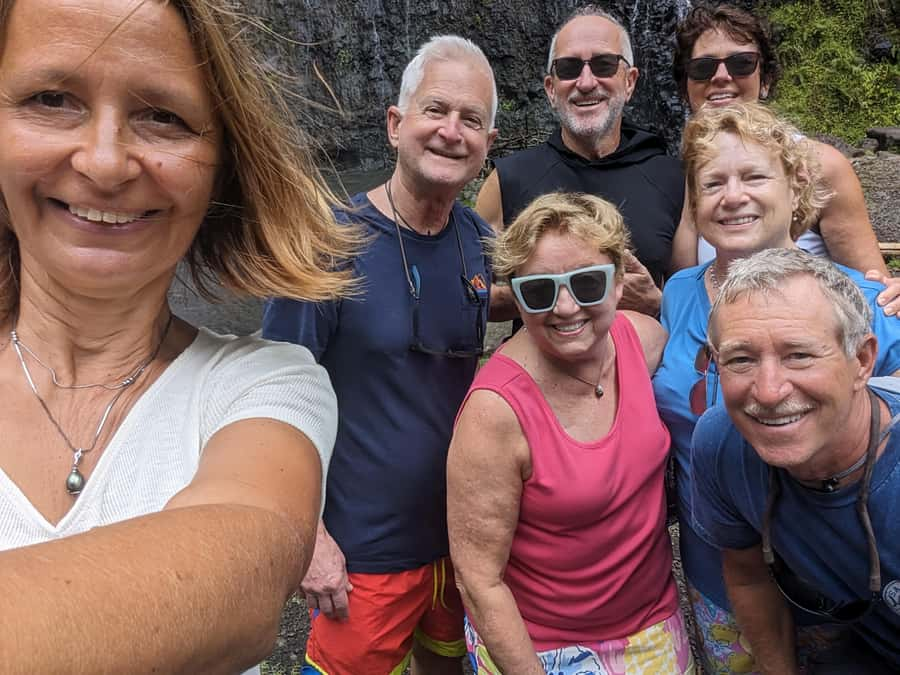
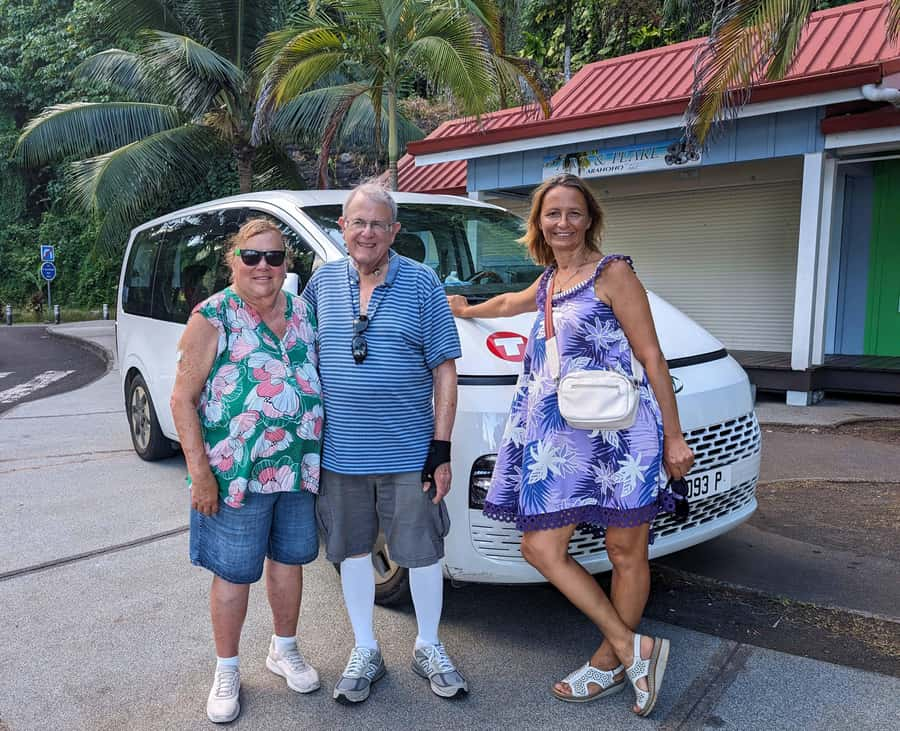
Pickup is built around where you’re actually staying (and it can also include airport, cruise ship port, or ferry terminal pickup). That matters on Tahiti, where first-time logistics can eat up energy. Once you’re in the vehicle, the day runs like a sequence of “mini experiences”: guided stops that are long enough to understand what you’re seeing, plus breathing room to take photos and walk a bit.
You’ll also have live guiding in English, Russian, French, or German. In the reviews, guides named Eric, Max (and Maxim), and Natalie/Natalia show up as favorites, praised for being entertaining while still hitting the key facts. You may not get the same guide, but the standard is clearly set: explanation with personality, not just recited dates.
Ārahurahu Marae: an open-air temple with ocean air
Your first major cultural stop is Marae Ārahurahu, an ancient open-air temple surrounded by lush vegetation. It’s tranquil in a way that feels different from the beach stops. You’ll have time for photos and a guided visit (around 20 minutes), with enough explanation to understand why this place matters to Tahitian life and belief.
Look for the setting: the marae isn’t indoors behind glass. It’s meant to be in the environment—wind, vegetation, and that big Pacific backdrop. Even if you’re not the type who normally loves temples, this one tends to land because the atmosphere does the work.
Practical note: this is a short visit, not a long hike, but you’ll want comfortable shoes. And yes, you’ll probably end up taking more photos than you planned.
Grottes de Mara’a: cool air and natural contrast
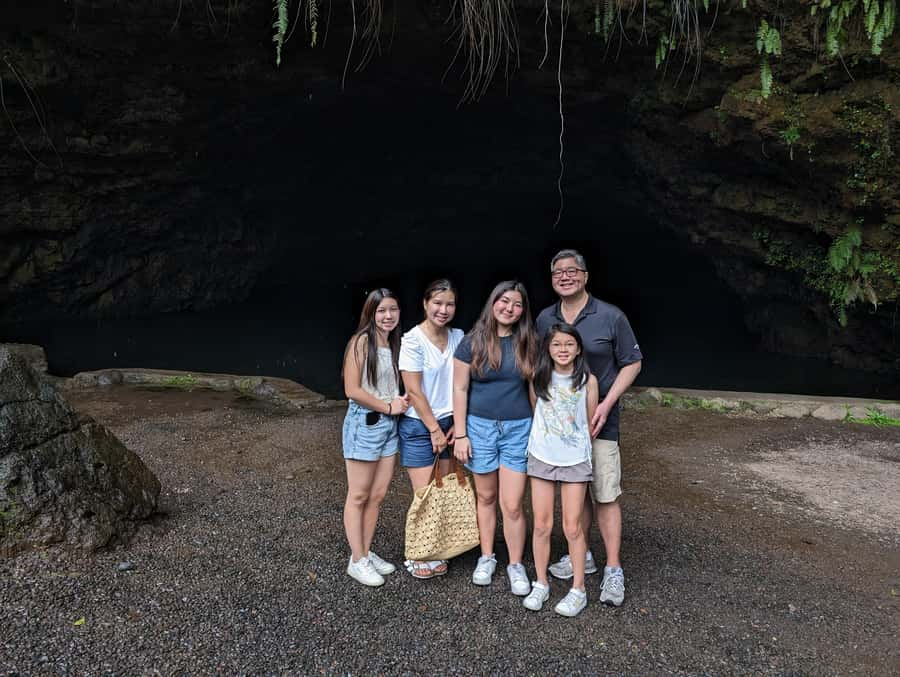
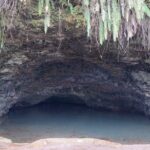
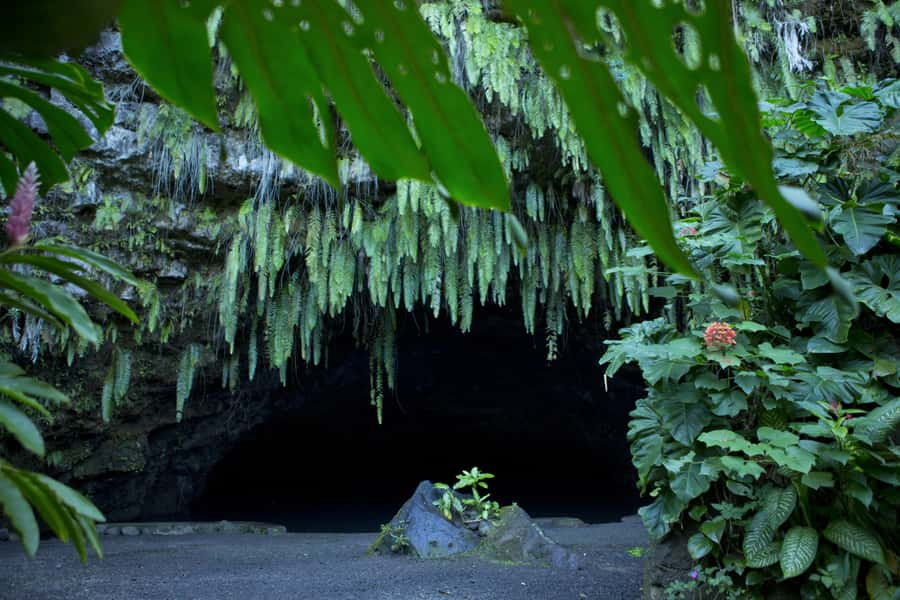
Next up is Grottes de Mara’a for a quick photo stop plus guided sightseeing (about 15 minutes). Caves work like a reset button in Tahiti’s heat. The idea here is simple: cool, fresh air flowing from water-filled grottoes, surrounded by greenery.
This stop is a good reminder that the island isn’t only coastline and viewpoints. Tahiti’s inland and geology shape the whole experience. If you’ve been at sea-level all morning, the temperature shift is a nice surprise.
Taharuu black sand beach: surf power you can feel
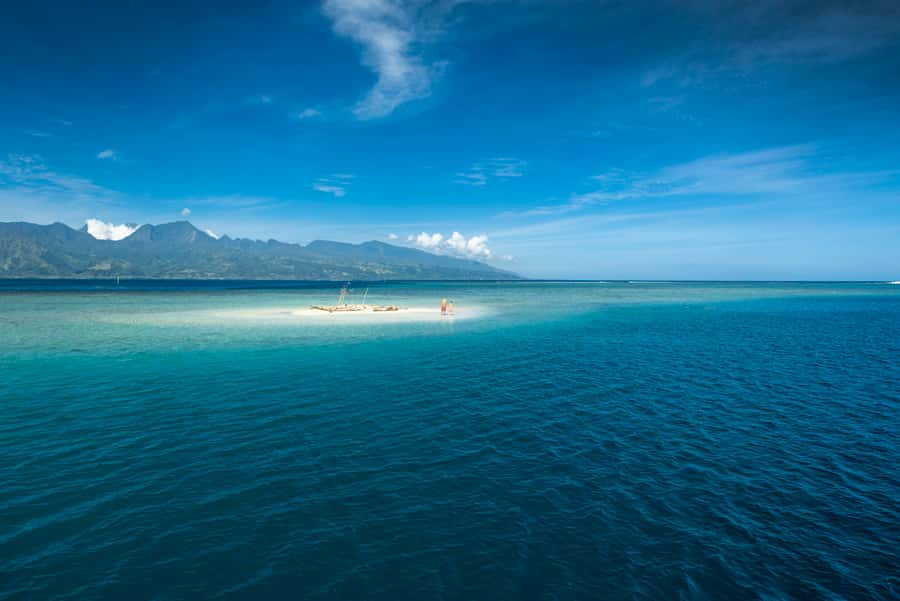
Then you hit Taharuu Beach, a black sand surf beach (about 15 minutes). This isn’t a calm postcard shoreline. It’s a place where you can feel the ocean doing what it does best: pushing, crashing, and carrying salty air on the wind.
You’ll get a guided visit and time for photos. If you want to dip your feet, think about safety first—this is a surf beach with real wave energy, not a controlled swimming spot.
This is also a good place to slow down and watch. When the water’s active, the beach feels alive in a way that’s hard to fake with words.

Vaipahi Water Gardens: when the day gets quieter
After the coast, you get a calmer stop: Vaipahi Water Gardens (about 20 minutes). You’ll wander through a lush collection of tropical plants, clear streams, and serene ponds—basically a botanical pause during a very busy day.
Why I like this part: it balances the tougher outdoor stops. You move from sacred grounds and ocean drama into something slower. And because it’s guided, you’re not just looking at greenery—you’re hearing what you’re seeing.
This one is perfect if you’re the type who loves plants, details, and learning how island flora ties to culture and daily life.
Lunch at the Paul Gauguin Museum restaurant: views plus local flavor
Lunch is about an 80-minute break at the Paul Gauguin Museum restaurant area. The big upside is the location: you’re eating with ocean views, so the meal doesn’t feel like wasted downtime between “real sights.”
One important thing: lunch itself is not included. The time for lunch is included, but you pay for what you order. I’d treat lunch as part of your budget planning and aim to order in a way that matches what you’ve been doing all day—something that refuels without making you sleepy for the next set of stops.
Tip: bring a light layer even if it’s warm outside. Restaurant AC plus sea breeze can make you feel cooler than you expect.
Taravao lookout and Phaeton Bay: Tahiti Nui vs Tahiti Iti
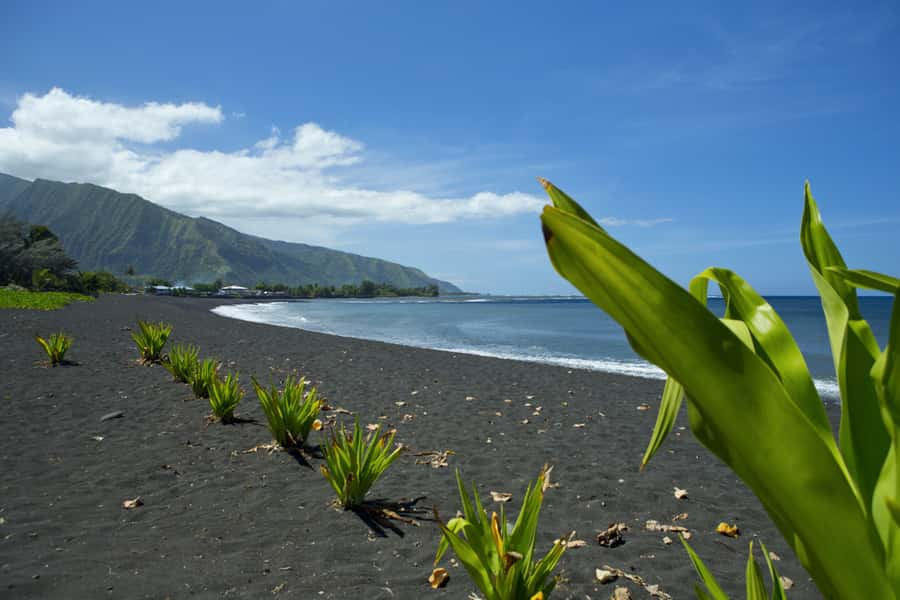
Next comes Taravao Lookout with panoramas that help you understand the island’s shape. You’ll also see Phaeton Bay, described as a safe harbor for cruising boats from around the globe. That “global” framing is useful: it puts Tahiti in context while you’re staring at its coastline and volcanic mountain lines.
Taravao’s viewpoint focuses on the island’s two parts—Tahiti Nui and Tahiti Iti—and it covers both the east and west coasts. This stop is about geography. You’re not memorizing a map; you’re building a mental picture of where you are and why the next coasts and valleys look the way they do.
Time here is about 20 minutes, including scenic time on the way. That’s enough for a few really good photos without turning it into a lecture marathon.
Waterfalls in the valley: Faaone Double and Faarumai
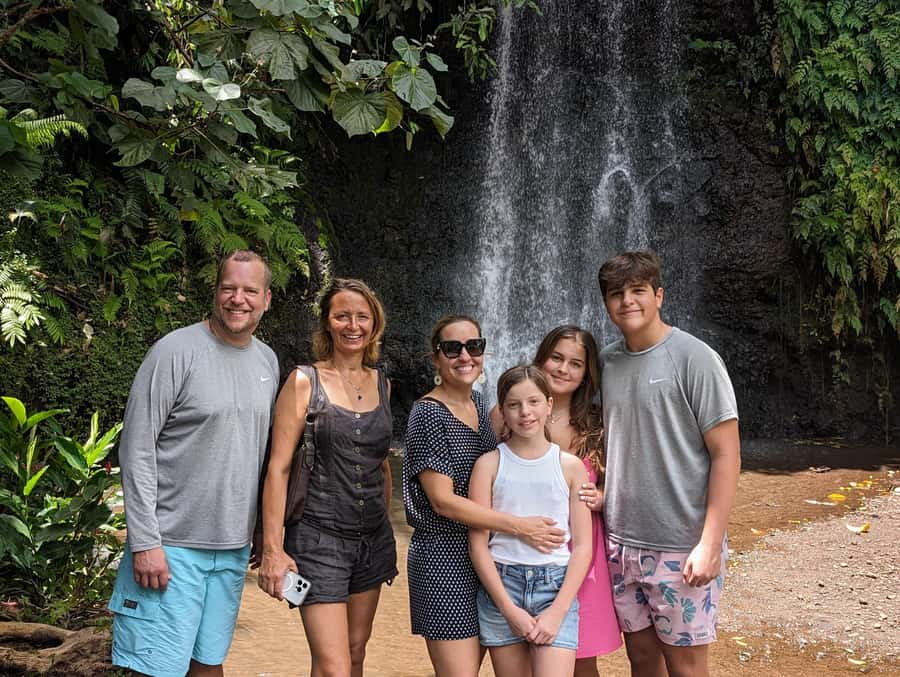
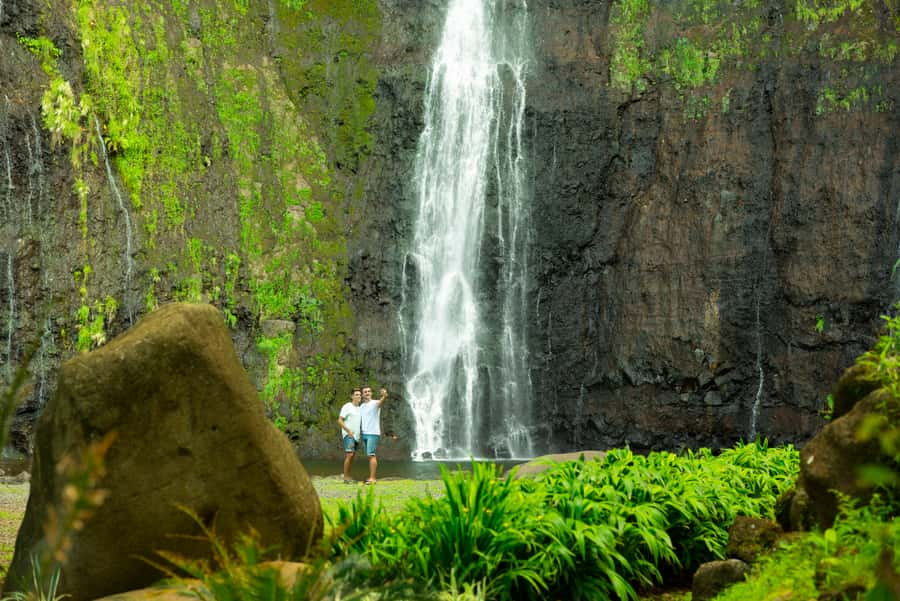
Then the day leans back toward nature with waterfall stops—first the Faaone Double Waterfall, followed by the Faarumai Waterfalls valley area (two separate photo/visit periods, each about 20 minutes).
At Faaone, you’ll follow a scenic path through flowers to the falls. What makes it different from just “pretty waterfalls” is the cultural angle: this is considered a place of spiritual power, with regular energy purification ceremonies. Even if you’re just there for photos, that context gives the spot more weight than a typical waterfall viewpoint.
At Faarumai, you’re in the picturesque valley of three waterfalls, with Faarumai waterfall tied to the legendary Tiarei area. Again, it’s not only the water you’re looking at; it’s the way the island’s stories and geography connect.
Real-world advice: wear shoes that handle slippery ground. And bring patience. Waterfalls can be misty, and paths can vary with conditions.
Arahoho Blowhole and Pointe Vénus: the ocean tells history
Now you get two stops that strongly tie the sea to stories.
First is Arahoho Blowhole (about 15 minutes). It’s exactly what it sounds like: ocean pressure doing its thing. It’s a quick stop, but it’s fun because the ocean is unpredictable—sometimes it’s quiet, sometimes it performs. Watch for timing, and don’t rush your photos.
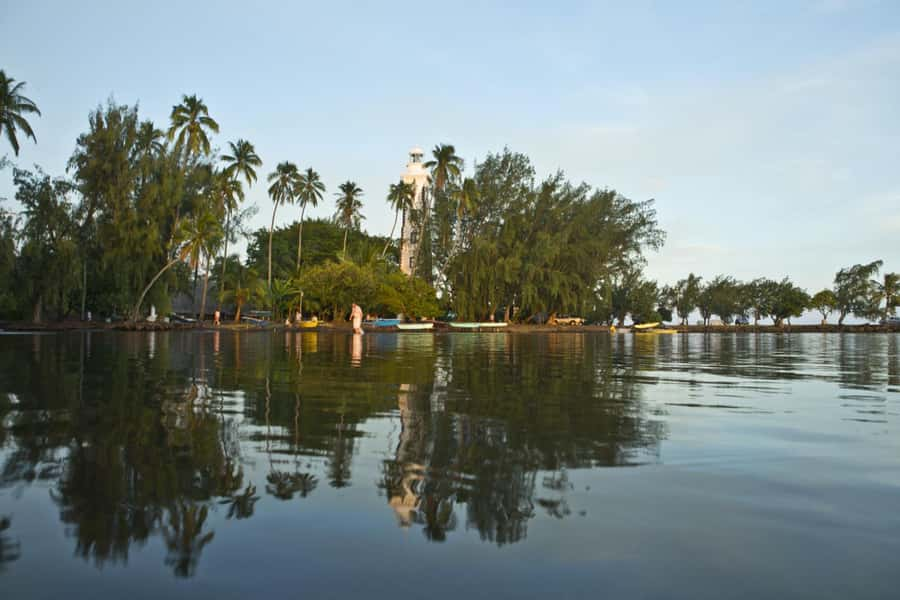
Then comes Pointe Vénus (about 20 minutes), including a visit to a black sand beach. This is where Captain Cook and old Polynesian routes show up in the narration. You’ll hear stories connected to Captain Cook’s explorations, the breadfruit journey, the Mutiny on the Bounty, and the Pomare royal dynasty. The site also celebrates the arrival of major navigators in Matavai Bay.
This is a great ending because it fuses everything you learned earlier:
- cultural sacred sites (marae)
- natural forces (caves, beach, waterfalls, blowholes)
- and human history tied to the sea
It makes the day feel like a circle rather than random stops.
What changes during the day (and how to plan around it)
The tour is designed as a circuit, but the exact flow can shift based on weather, public holidays, road works, spot maintenance, sports competitions, strikes, or demonstrations. In practice, that means you should stay flexible. Your guide can adjust timing to keep the day enjoyable rather than frustrating.
Also, rain happens. Bring a rain coat or umbrella. You don’t want your whole day to be “hurry up and wait out the drizzle.”
If you care about swimming or shopping time, the guide flexibility is a real advantage. In the reviews, guides were praised for making room for swimming and requests without ditching the main highlights. Still, don’t expect long free time at every stop—this tour is structured to move.
Transport comfort matters on Tahiti days
Because you’re covering a lot of distance, comfort isn’t a luxury here. Reviews repeatedly praise air-conditioning and comfortable vans. You also have bottle of water provided, which is an underrated detail in warm, outdoor-heavy places.
Also, this is a good tour for people who don’t want to stress about driving and navigation. You get a local driver/guide in the driver’s seat—literally—and the explanations help you feel confident instead of lost.
One caution: if you have back problems, this isn’t recommended. The day includes lots of car time over uneven roads.
Price and value: does $850 per group make sense?
At $850 per group up to 7, you’re paying for three things:
- a private guide experience with live interpretation
- air-conditioned transportation across much of the island
- convenient pickup and drop-off from where you are
Lunch isn’t included, so factor that into your total. Also, you should think about group cost sharing. If you’re two people, the price is still often worthwhile compared with piecing together multiple independent services—especially because you’re not only buying transport; you’re buying interpretation and smooth scheduling.
If you’re traveling solo, compare this against your own comfort level with renting a car or hiring multiple rides. If you’d rather avoid that headache, a private guided circuit tends to feel like money spent on reducing friction.
Who should book this private Tahiti highlights day?
This fits best if you want:
- a first-time orientation to Tahiti that connects culture + nature
- a guided day where you’re learning while you’re seeing
- small-group comfort (private up to 7)
- a plan that can work around cruise/airport/ferry timing since pickup is included
It might not be ideal if you:
- have back issues (the tour is not suitable)
- prefer slow, long beach days with lots of downtime (this is a full circuit)
Should you book it?
I’d book this if you’re the type who wants your day to feel organized—and who also cares about meaning, not just photos. The combo of Marae Ārahurahu, caves, black sand surf, botanical gardens, waterfalls with spiritual context, and ocean-history storytelling at Pointe Vénus is a strong mix that helps the island click.
If you hate car time, have mobility limits affecting your back, or don’t want to pay extra for lunch, you may want a different pace. But for many people—especially first-timers on a tight schedule—this is a smart way to see Tahiti in full color.
FAQ
How long is the Tahiti highlights private tour from Pape’ete?
It lasts about 8 hours.
Is lunch included in the price?
Lunch time is included, but lunch itself is not included—you pay for your meal.
What’s included besides the guide?
The tour includes hotel pickup and drop-off, guide services, air-conditioned transportation, and a bottle of water.
Is this a private tour? How big is the group?
Yes, it’s private. The price is per group up to 7 people.
What languages are available for the live tour guide?
The live tour guide is available in English, Russian, French, and German (German and Russian are subject to additional availability confirmation).
Are there any restrictions during the tour?
Alcohol and drugs are not allowed.