Papeete tastes better with a local guide. This 3.5-hour Papeete Food Tour is built around real neighborhoods and real plates, starting with a typical breakfast of raw fish in coconut milk and rolling straight into the Papeete Market. You’ll also pause at meaningful spots around town, so the food comes with context instead of just a shopping list.
My favorite part is how the tour keeps the energy on food—10+ tastings across sweet and savory—while the guide, Orama, threads in stories about Tahiti’s daily life. Second, I love the small-group feel (max 6), which makes questions easy and keeps the walk comfortable.
One consideration: this tour isn’t a fit for everyone. If you avoid raw fish or you need vegetarian, vegan, or gluten-free options, plan carefully—these diets aren’t supported.
In This Review
- Key things to know before you eat your way through Papeete
- Papeete Food Tour: what you’re really buying for $129.97
- The meeting point and route shape: easy to start, better to arrive ready
- Stop 1: Mairie de Papeete, and why the tour begins with orientation
- Stop 2: Papeete Market—fruit windows, snack stalls, and the smells
- Stop 3: Chinese community influence at the Association Philanthropique Chinoise
- Stop 4: Papeete Catholic Cathedral near PK 0
- Stop 5: Fare Tony Center and the food-export angle
- Stop 6: Vaima Shopping Centre—walk, taste, and wrap the loop
- What you’ll eat (and how to handle the raw-fish start)
- Orama’s role: food guide, city translator, and the reason it feels personal
- Why the pacing works: 3.5 hours that don’t feel like a marathon
- Who this tour is best for (and who should skip)
- Weather and what can change on your date
- Should you book the Papeete Food Tour?
- FAQ
- What time does the Papeete Food Tour start?
- How long is the tour?
- Where do I meet, and where does the tour end?
- What’s included in the price?
- Are meals included?
- Is the tour suitable for vegetarian, vegan, or gluten-free diets?
- How many people are in each group?
- Does the tour include raw fish?
- FAQ
- What if the weather is bad?
- Can I cancel for a full refund?
Key things to know before you eat your way through Papeete
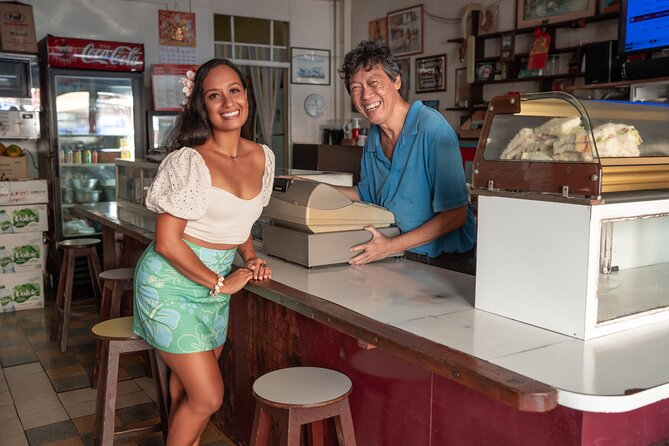
Start with coconut-milk raw fish breakfast at the very beginning, not as a last-minute “good luck” gamble.
Expect at least 10 tastings (many people end up trying closer to a dozen), plus bottled water.
Walk downtown with a small group (up to 6), so you’re not rushed or lost in the crowd.
See food and culture in the same loop, from the Papeete Market to landmarks like the cathedral and cultural associations.
Orama brings the story in more than one language, using French and English as needed during the walk.
Papeete Food Tour: what you’re really buying for $129.97
For $129.97 per person, you’re not just paying for bites. You’re paying for time with a local who can connect what you taste to what you’re seeing—streets, markets, community buildings, and the mix of influences that shape everyday Tahitian food.
The tour runs about 3 hours 30 minutes and covers central Papeete on foot. You get a guide, bottled water, and snacks/tastings along the way. Meals aren’t included, so think of this as a smart first-act experience: you’ll likely be full from the tour, then you can pick a separate dinner plan later (or reuse what you learned for restaurant ideas).
Best value move: schedule it early. If you do this on your first full day, you’ll get your bearings in the market area fast and you’ll know where to return for specific cravings.
You can also read our reviews of more food & drink experiences in Tahiti
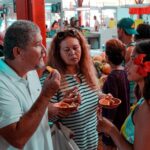
The meeting point and route shape: easy to start, better to arrive ready
You start at Terre de vigne, 52 Rue Paul Gauguin, Papeete 98715, with the tour time listed as 8:30 am. The walk ends at the Papeete Market area, which is handy because you can continue shopping or grab lunch nearby.
One practical tip: the start location is right in town, but maps can still mislead. I’d treat your confirmation directions as the source of truth and plan to arrive a few minutes early so you’re not starting the morning frazzled.
Also note the format: you’ll use a mobile ticket. That’s helpful in a place where you might be walking around and checking your phone anyway.
Stop 1: Mairie de Papeete, and why the tour begins with orientation
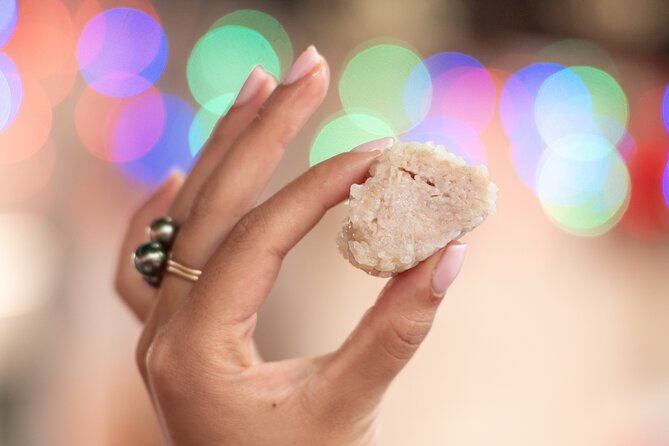
The first stop is at Mairie de Papeete. This isn’t a food stop in the market sense. It’s more of a “set your mental map” moment.
Why it matters: when you start with the city’s center, the rest of the walk makes sense. You get a reference point before food overload begins. It also helps you understand what kind of morning you’re having—this isn’t a hop-on, hop-off tasting. It’s a neighborhood walk with stops that explain how Papeete functions day to day.
Duration here is short (about 20 minutes), and then you’re off to the main event.
Stop 2: Papeete Market—fruit windows, snack stalls, and the smells
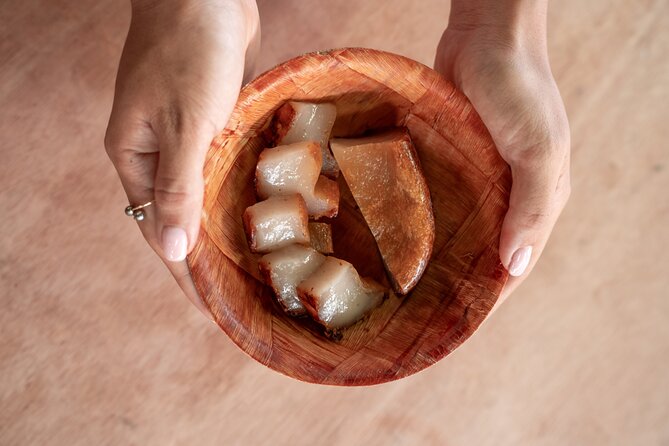
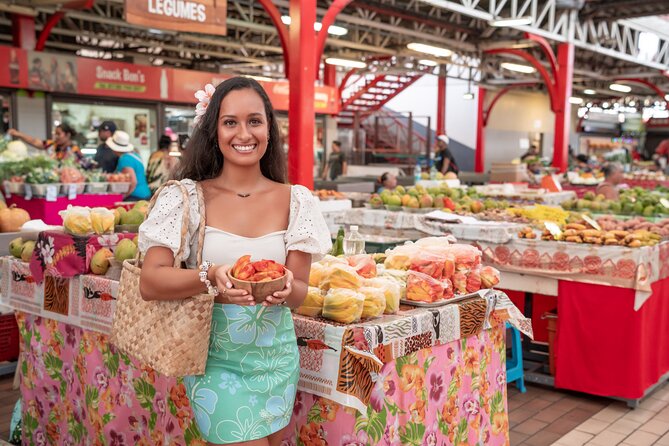
Next up is the Papeete Market, where you’ll pass through flower and craft areas, jewelry stalls, fruit and vegetable aisles, and the snack windows.
This is where the tour turns into a sensory workout. Markets don’t just sell food; they explain sourcing and local routine. You’ll see how sellers present produce, how snacks are made for quick morning eating, and where people drift when they’re not “touring.”
Timewise, you’ll spend about 1 hour 30 minutes here, which is a good chunk. You need time to eat slowly and still look around without feeling like you’re being marched through.
Stop 3: Chinese community influence at the Association Philanthropique Chinoise
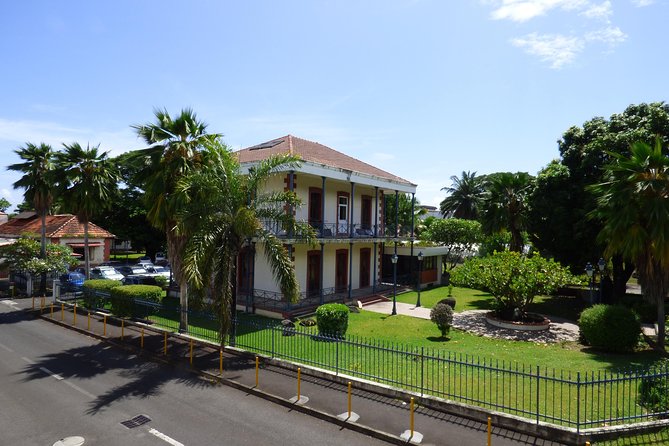
After the market, you shift to a cultural stop: the Association Philanthropique Chinoise. The tour frames this as part of French Polynesia’s cultural and artistic mix.
Why this matters for food: Papeete isn’t shaped by one culinary story. You’ll taste flavors that reflect multiple influences, and this stop gives you a lens for why food styles in town can look familiar yet different from what you’d expect.
You’re only there for about 20 minutes, so don’t expect a museum experience. It’s more like a guided waypoint that helps you read what you’re eating next.





Stop 4: Papeete Catholic Cathedral near PK 0
Then you pass the Papeete Catholic Cathedral, right at PK 0—a kilometer marker with meaning in how the city measures itself.
This one is brief (around 20 minutes), but it’s a smart pause. Food tours can become one-note if you only focus on tasting. A landmark stop interrupts that pattern and gives you a chance to reset your pace.
Also, walking past a major site early in the day helps you understand Papeete’s layout: where the “center” is and how the market area sits within the city.
Stop 5: Fare Tony Center and the food-export angle
Next is Fare Tony Center, a commercial gallery where you learn more about what Polynesia can produce and export, tied to different flavors.
This is the “food beyond the plate” moment. You get to connect local ingredients and tastes to the reality that the islands also share these products beyond the island chain.
It’s about 30 minutes, which works well as a transition: after market intensity and cultural context, you shift into a less chaotic setting. You can look, ask questions, and get ideas for what to buy later if you want something edible to take home.
Stop 6: Vaima Shopping Centre—walk, taste, and wrap the loop

The last stop is Vaima Shopping Centre. The description is simple: walks and tastings, about 30 minutes.
This end section is useful because it lets the morning “close out” without abruptly disappearing into the city. By the time you reach the market again as your end location, you know what to do next: continue sampling, shop with confidence, or head out for lunch with a clearer sense of where you are.
What you’ll eat (and how to handle the raw-fish start)
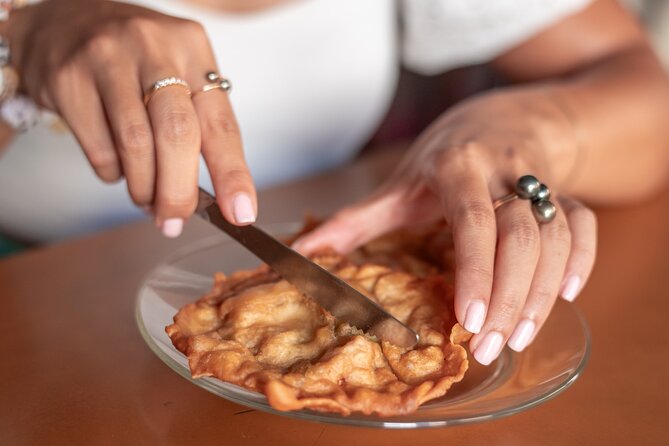
The tour starts with a typical breakfast seated around raw fish in coconut milk. That’s the signature that makes this experience different from a standard pastry-and-coffee walk.
If you’re curious but cautious, go in with a simple plan: take small bites, ask what the dish is, and treat it like part of learning rather than a test of bravery. The tour is structured so you’re not stuck with just one intense item. Across the morning, you’ll try many tastings—at least 10, often closer to 12—covering sweet and savory options.
The downside is also clear: this tour is not suitable for vegetarian, vegan, or gluten-free diets. If that’s your situation, you’ll need a different plan in Papeete and you might miss this one.
Orama’s role: food guide, city translator, and the reason it feels personal
The experience is led by Orama, and the difference shows in how the tour flows. Orama is interactive, answers questions, and shares cultural context alongside food.
From the way the tour is described, you’ll get more than menu explanations. Orama connects tasting choices to everyday life in Papeete, and she uses French and English as needed, which makes the experience easier to follow and less stressful if your language skills are mixed.
Also, with a maximum of 6 travelers, the group stays small enough that you can ask the “why” questions that usually get lost in larger tours.
Why the pacing works: 3.5 hours that don’t feel like a marathon
The walk is roughly 3 hours 30 minutes, which is long enough to matter but short enough to stay fun. You get time to sit, eat, and recover, not just shuffle from stop to stop.
A practical rule: arrive hungry. If you show up having already eaten a big breakfast, the tastings won’t land the way they’re meant to. And because the tour includes bottled water, you can focus on tasting and walking rather than scrambling for drinks.
Who this tour is best for (and who should skip)
This is a strong match if you:
- Want a first-day orientation to Papeete through food
- Like tours where the guide connects dishes to culture, not just locations
- Enjoy markets and short sightseeing stops that don’t eat your whole day
- Prefer a small group with room for questions
It’s not a great match if you:
- Need vegetarian, vegan, or gluten-free options
- Strongly avoid raw fish or coconut-milk preparations
- Want a tour that’s mainly “restaurant meals” rather than market snacks and tastings
Weather and what can change on your date
The tour requires good weather. If conditions are poor and it’s canceled for that reason, you’ll be offered a different date or a full refund. That’s important in Tahiti planning because it keeps you from being stuck mid-trip with no backup plan.
Should you book the Papeete Food Tour?
Book it if you want a smart, local-driven way to understand Papeete fast. The combination of 10+ tastings, a small group, and cultural stops makes it more than “just food”—it’s a guided tour of how the city thinks and eats.
Skip or plan around it if your dietary needs don’t fit or if you’re not willing to try the raw fish breakfast. In those cases, you can still enjoy Papeete, but you’ll want a different kind of food tour.
If you do book, my advice is simple: arrive on time, come hungry, and treat each tasting like a clue. By the end, you’ll know where to return—and what to order next.
FAQ
What time does the Papeete Food Tour start?
The tour starts at 8:30 am.
How long is the tour?
It lasts about 3 hours 30 minutes.
Where do I meet, and where does the tour end?
You meet at Terre de vigne, 52 Rue Paul Gauguin, Papeete, and the tour ends at the Papeete Market area in central Papeete.
What’s included in the price?
The tour includes a guide, bottled water, and snacks/tastings.
Are meals included?
No, meals are not included. The tour focuses on snacks and tastings.
Is the tour suitable for vegetarian, vegan, or gluten-free diets?
No. The tour is not suitable for vegetarian, vegan, or gluten-free diets.
How many people are in each group?
The tour has a maximum of 6 travelers.
Does the tour include raw fish?
Yes. The tour begins with a typical breakfast that includes raw fish in coconut milk.
FAQ
What if the weather is bad?
This tour requires good weather. If it’s canceled due to poor weather, you’ll be offered a different date or a full refund.
Can I cancel for a full refund?
Yes. You can cancel up to 24 hours in advance for a full refund. If you cancel less than 24 hours before the start time, it isn’t refunded.