REVIEW · MOOREA
Polynesian culinary experience
Book on Viator →Operated by Food&CookLab Tahiti-Moorea · Bookable on Viator
Pineapple fields beat a typical cooking class. In Moorea’s Paopao Valley, you spend about 3.5 hours learning Polynesian food in a real working setting, taught by Audrey and Stevenson. I love the farm-to-table focus—garden produce, traditional methods, and clear cultural context. I also love that the meal is the reward: you cook, then sit down and actually enjoy what you made. One watch-out: this experience doesn’t include air-conditioned transport, so if you’re sensitive to heat, plan accordingly for travel and time outdoors.
You’ll start in a space designed for workshops and culinary training, beside a production lab and surrounded by growing gardens. Expect hands-on steps, garden talk, and a lunch that feels like learning your way into the island, not just eating your way through it.
In This Review
- Quick highlights: why this Polynesian cooking experience works
- Paopao Valley: where the food lesson has a real address
- Meet the hosts: Audrey and Stevenson do the teaching
- A realistic workshop flow: from garden talk to hands-on cooking to lunch
- What you might cook: banana leaves, tuna, and local sauces
- Garden-grown learning: plant ID and ingredient benefits
- Poisson cru, but with real technique (not just a recipe)
- Lunch is included, and it’s part of the lesson
- Recipes to take home: the value of learning techniques
- Price and value: is $99 per person worth it?
- Practical timing and comfort: planning for a 9:00 am start
- Who should book this (and who might pass)
- Should you book the Polynesian culinary experience in Moorea?
Quick highlights: why this Polynesian cooking experience works
- Paopao Valley setting in pineapple country, with garden-grown ingredients as the star
- Audrey and Stevenson guide the class with culture, technique, and real-world cooking skills
- Hands-on dishes like Poisson cru/tuna prep, banana-leaf bread, coconut chips, and more
- Plant ID in the garden so you learn what you’re eating and why it matters
- Lunch plus snacks and coffee/tea included, with the meal built from your cooking
- Recipes you can take home so the class doesn’t end when you leave Moorea
Paopao Valley: where the food lesson has a real address
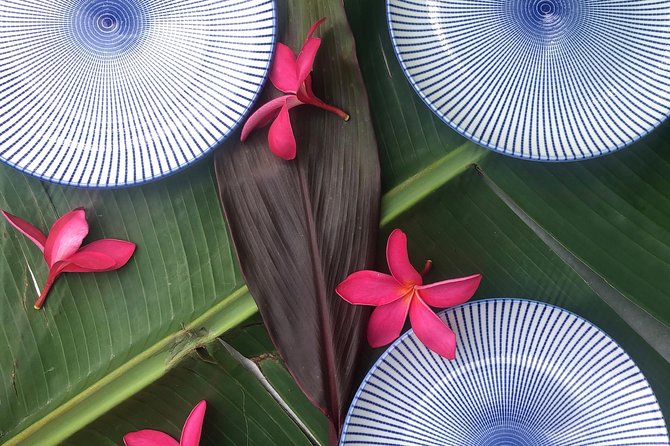
Moorea’s food culture isn’t just a theme here. It’s the physical setting. You’re in the Paopao Valley area, in and around pineapple fields, with gardens that supply what you’ll cook.
That matters because Polynesian cuisine makes more sense when you can connect the plate to the ground. You’re not just memorizing steps. You’re learning which ingredients grow locally, how they’re used, and how cooking methods fit island life and seasons.
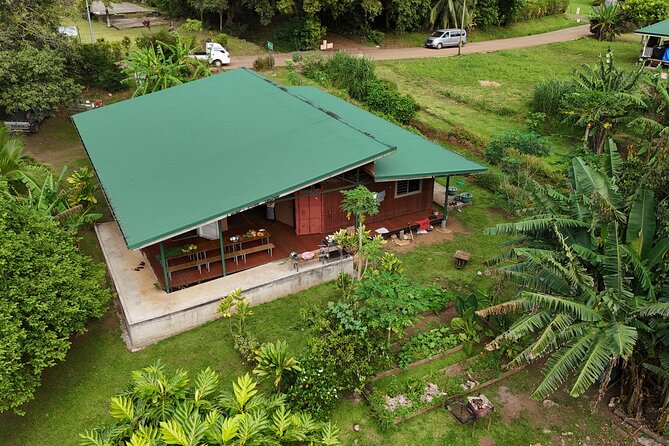
You also get a behind-the-scenes look at professional workshop spaces. The experience runs in purpose-built culinary training areas next to a production laboratory. Translation: this isn’t a casual demo. It’s structured like a real class, so you spend your time learning instead of waiting around.
You can also read our reviews of more tours and experiences in Moorea.

Meet the hosts: Audrey and Stevenson do the teaching
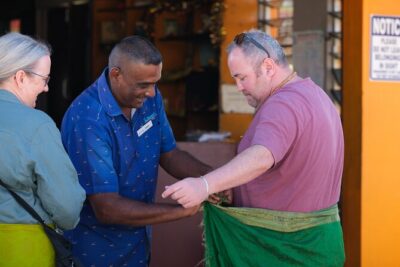
Audrey and Stevenson are the names you’ll see again and again in the feedback for a reason. They guide with a mix of food technique and Polynesian culture, including history, life today, and the changes happening in society.
The teaching style comes through in how the experience is organized. People mention that there are different parts for different participants, so you’re not stuck doing one tiny task for hours. It feels active and social—like you’re working in a group kitchen while someone explains the why behind each step.
One practical plus: the class runs in a family-style, convivial pace. Multiple guests highlight the friendly, down-to-earth vibe, and even larger age ranges have reported feeling included and comfortable.
If you have dietary needs, bring them up when you book. One review specifically mentioned vegetarian accommodations.
A realistic workshop flow: from garden talk to hands-on cooking to lunch
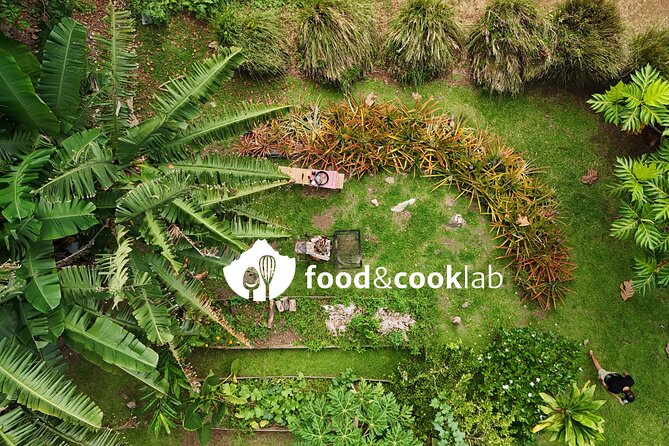
This is about 3 hours 30 minutes from start to finish. You start at 9:00 am, then you move through a sequence that makes sense: learn the local ingredients, then cook with them, then eat what you made.
Here’s how that typically plays out in a class like this, based on what you’ll be taught and the kinds of dishes people report making.
First comes orientation and culture: you learn about Polynesian food as a system—ingredients, cooking methods, and how food connects to daily life. You also get a tour-like element in the garden, including time spent identifying plants.
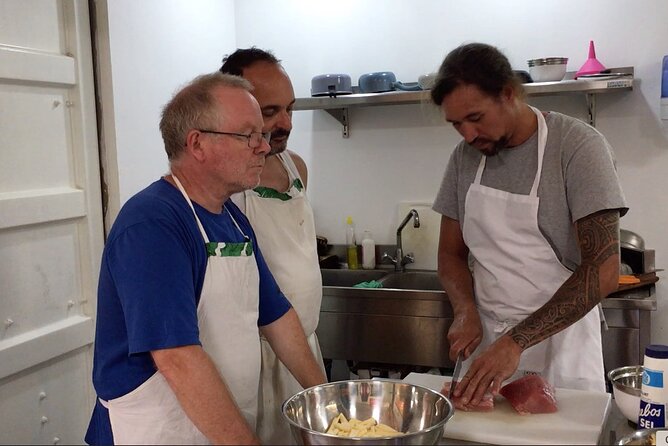
Then the hands-on work starts. You’ll be guided through preparation steps that can include carving tuna for Poisson cru, preparing items wrapped in leaves, and making components like coconut-based snacks or sauces.
Finally, you sit down together to eat lunch. Many people call the meal the best part because it’s not a separate restaurant stop. It’s the payoff for the work you just did, and you’re eating while conversations continue with the hosts.
Because it ends back at the meeting point, you’re not dealing with a long, scattered itinerary either. It’s a concentrated experience in one place.
What you might cook: banana leaves, tuna, and local sauces
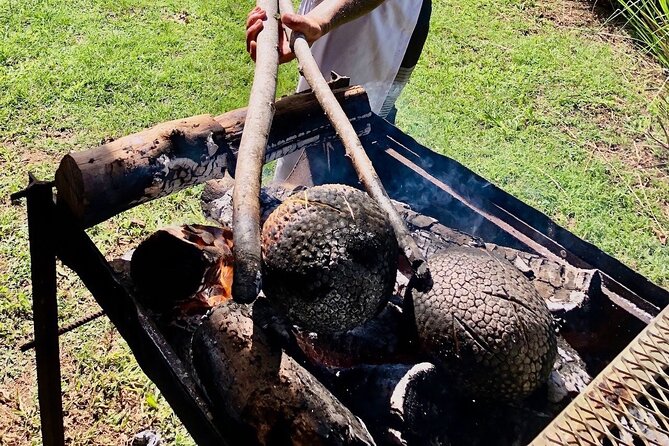
One reason this class gets consistently excellent reviews is the range of dishes. People mention learning more than just a single local favorite.
Based on the dishes guests describe, you can expect an emphasis on traditional foods and techniques, including:
- Poisson cru / tuna prep (including carving tuna)
- Banana-leaf cooking, like bread wrapped in leaves
- Coconut chips
- Grilled tuna with local sauces and homemade glazes
- Roasted breadfruit
- A dessert wrapped in banana leaf made with pumpkin and a tapioca-like mixture
Not every dish is guaranteed for every date, but the pattern is clear: you’ll learn a mix of raw/prep work, leaf-wrapping technique, barbecue/grilling methods, and sauce building.
Here’s what makes this valuable for you. You’re not just learning names. You’re learning textures and timing—how ingredients behave and what “traditional” really looks like in the hands of someone who cooks this way often.
And if you’re the kind of person who wants to recreate things at home, you’ll probably love the variety. You won’t come back with only one recipe you can manage. You’ll come back with a set of techniques.
Garden-grown learning: plant ID and ingredient benefits
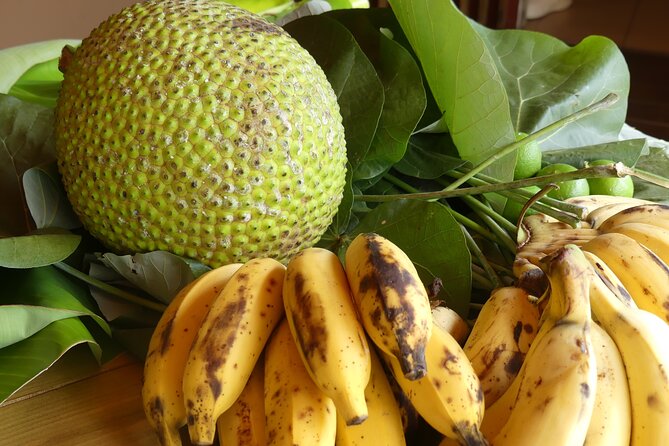
This is one of the most praised parts of the experience: you get to identify plants and learn what’s native, seasonal, and what’s imported. That sounds like a small thing until you try to cook at home. Suddenly, you stop treating local flavors like a mystery.
The garden component also connects to how Polynesian cooking uses what’s available. Several guests mention learning about local products and the benefits of those ingredients—paired with traditional ways of cooking them.
You’ll walk away with a better mental map for what to shop for later. Not just “buy coconut,” but how coconut is used, how leaves factor into flavor and wrapping, and how tuna fits into local traditions.
If you enjoy learning through doing, this part is a win. It’s active knowledge, not a slideshow.





Poisson cru, but with real technique (not just a recipe)
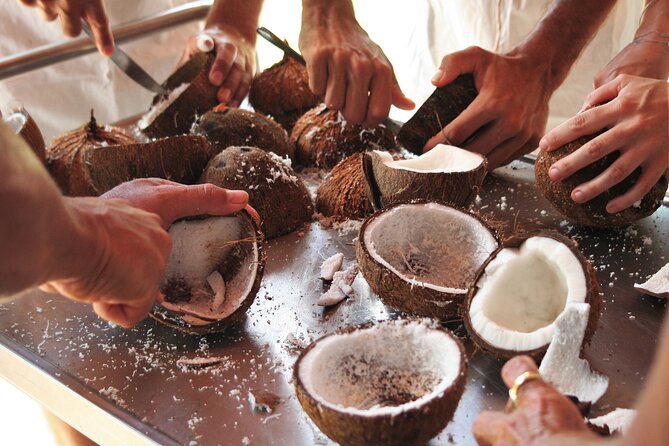
Poisson cru is the iconic Polynesian dish, and you’ll likely touch it in some form during the class. Multiple guests mention carving tuna for Poisson cru, which is exactly the kind of step that separates a quick tutorial from actual learning.
When you learn the prep, you understand more than flavor. You understand the process: the cut, the handling, and how the dish comes together. That’s what makes it easier to repeat later without guessing.
One more thing: some guests mention BBQ use during the session. That fits the broader lesson—different cooking methods aren’t random. They reflect the island’s tools, rhythms, and ingredients.
If you’re worried this will be too focused on one dish, you’re in good shape. Feedback points to a broader meal with multiple dishes and snack-style items, not just one culinary highlight.
Lunch is included, and it’s part of the lesson
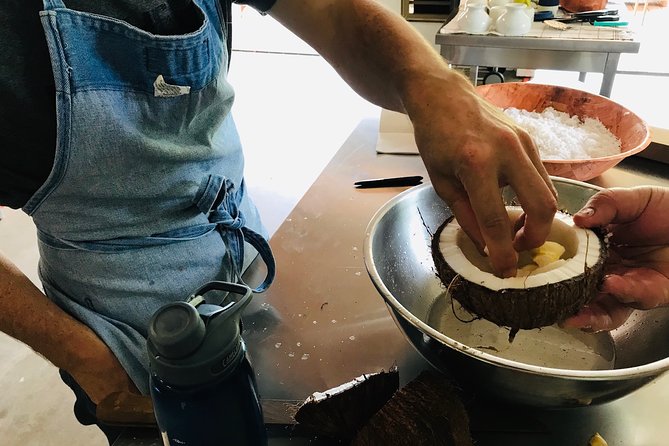
The meal isn’t an afterthought. You get lunch plus snacks, along with coffee and/or tea.
You’ll be eating food you helped prepare, which changes the whole experience. It’s not just eating. It’s reviewing the lesson in real time—what worked, what tastes right together, and how the flavors connect to the culture story you just heard.
Many guests describe the lunch as one of the best meals they had on Moorea. That makes sense: when you use garden ingredients and you cook traditionally, the results tend to feel fresh and personal.
Also, you’ll likely leave with more than just a full stomach. Some reviews mention taking leftovers. And many mention getting recipe copies you can try back home.
Recipes to take home: the value of learning techniques
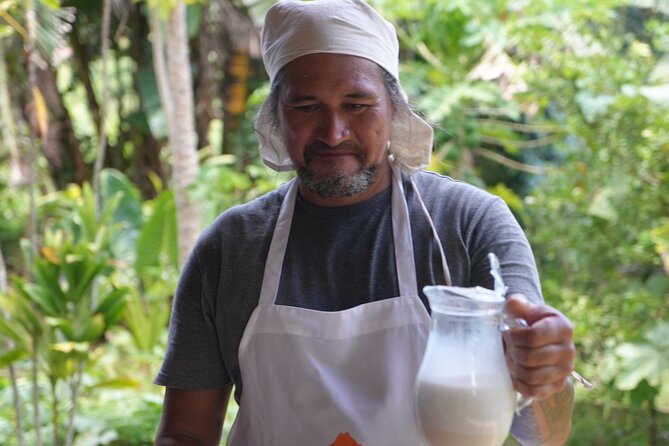
A good cooking class teaches ingredients. A great class teaches methods. This one leans heavily toward both, and the take-home recipes make it stick.
You’ll get recipe guidance that helps you replicate what you made, including the dishes people specifically named—banana-leaf bread, grilled tuna with homemade sauces, coconut chips, and the leaf-wrapped dessert.
But the bigger win is technique literacy. If you can understand leaf-wrapping and how sauces are built, you can adapt at home even when ingredients aren’t identical. That’s how you turn a one-day experience into a lasting skill.
This is also why the cultural pieces matter. You’re not only learning what to cook. You’re learning why those foods and methods are meaningful in Polynesian life.
Price and value: is $99 per person worth it?
At $99 per person for roughly 3.5 hours, this sits in the “mid-priced experience” zone—meaning it needs to earn its keep.
It does, because your money isn’t only buying instruction. It covers:
- Lunch
- Snacks
- Coffee and/or tea
- All fees and taxes
- A private group experience (only your group participates)
That private format is a quiet value-maker. It means you’re not sharing the teaching attention with strangers or competing for kitchen time. If you want a hands-on class where your questions actually get answered, that matters.
Also, alcohol isn’t included, so if you drink, you’ll need to plan for that. But for a cooking class focused on food and culture, the included tea and coffee keep the meal grounded.
The biggest value point, though, is that you leave with more than one dish. Guests mention multiple skills and a full variety of foods, plus recipes. In practice, that makes the class feel like a “food education” rather than a simple meal.
Practical timing and comfort: planning for a 9:00 am start
The start time is 9:00 am, and the experience runs about 3 hours 30 minutes.
Because the setting is garden and pineapple valley outdoors, you’ll want to treat this like a morning on a tropical island:
- Wear comfortable shoes for uneven ground (garden paths aren’t always flat)
- Bring sunscreen and a hat
- Bring a light layer if you run cold indoors, but expect warm conditions outdoors
- Use water breaks as you need them
One more practical point: an air-conditioned vehicle is not included. If you’re coming by your own arrangements and you’re sensitive to heat, plan your route and timing so you’re not arriving drained and overheated.
Who should book this (and who might pass)
Book it if you want an authentic Polynesian food experience where the cooking connects to culture, not just a menu. You’ll likely love it if you enjoy hands-on learning and if you prefer experiences where you get to talk with the people teaching the craft.
It’s also a good choice if you:
- Like food history and ingredient stories
- Want a variety of dishes and techniques, not one showpiece dish
- Plan to cook at home and want recipes to follow
Consider passing if you want a low-effort, mostly passive experience. This class is about active preparation steps, garden learning, and cooking work. If that sounds exhausting, you might prefer something more observational.
Should you book the Polynesian culinary experience in Moorea?
If your idea of a great day in Moorea is hands-on learning, garden-to-plate ingredients, and a real meal at the end, I’d book it. The combination of setting in the Paopao Valley, the teaching by Audrey and Stevenson, and the inclusion of lunch and recipes makes it feel like solid value for $99.
Go for it especially if you care about traditional methods—like tuna prep, leaf-wrapping techniques, and local sauces—and you want to leave with practical skills, not just photos.