REVIEW · BORA BORA
Whale Watching Bora Bora
Book on Viator →Operated by Bora Ocean Adventures · Bookable on Viator
A whale watch in Bora Bora beats the usual sightseeing loop. This 3.5-hour small-group trip puts you out on the water with a local captain + guide team and includes snorkel gear, towels, and snacks. You’re in the right time window too: July to November is when humpbacks (and other marine life) move through these warmer waters to calve.
What I like most is the small group size (max 12), which means your guide can actually work the whole boat, explain what to look for, and adjust when whales show up. I also love the practical extras: pickup by boat, plus the waterproof jacket/bags and snorkel setup so you’re not scrambling around town. One thing to consider: whale sightings are never guaranteed on the open ocean—some days you’ll see breaches from a distance, and other days you might get limited action or miss swimming entirely.
In This Review
- Quick hits
- Whale Season Timing: Why July to November Matters Here
- Getting There Fast: Pickup by Boat and Your Starting Point
- Small-Group Reality: Max 12 and Why Your Guide’s Job Gets Easier
- Out Beyond the Reef: What the 3.5 Hours Feels Like on the Water
- Snorkeling Setup You Don’t Have to Hunt For
- What You Might See: From Distant Breaches to In-Water Moments
- Crew Work That Shows Up: Searching, Positioning, and Respect
- Boat Comfort Notes: Small Vessel Pros and Cons
- Price and Value: Is $304 Worth It for This Chance?
- Who Should Book This Whale Watching Trip (and Who Should Think Twice)
- Should You Book Whale Watching Bora Bora?
- FAQ
- How long is the whale watching tour?
- Do they offer pickup?
- Is snorkeling equipment included?
- Can I choose a morning or afternoon departure?
- Is it guaranteed that we will see whales?
- What if the weather is bad or the tour is canceled?
Quick hits
- July to November timing gives you a strong chance at humpbacks and calves
- Max 12 passengers so you get more attention and clearer instructions
- Snorkeling gear, towels, and waterproof gear are provided
- Pickup by boat from your hotel/meeting point saves time
- Open-ocean search beyond the reef is where sightings often happen
Whale Season Timing: Why July to November Matters Here
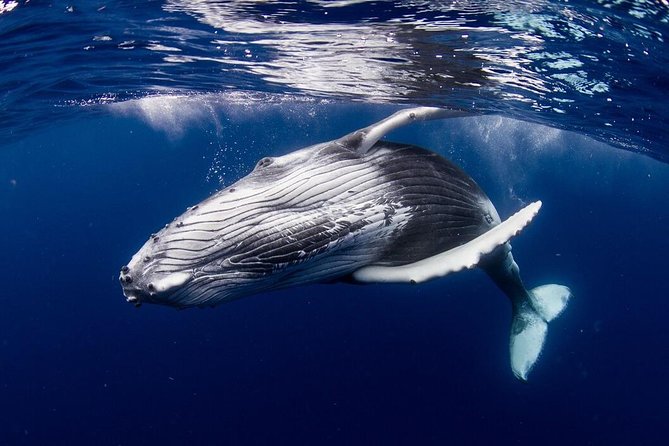
If you’re planning a whale watch in Bora Bora, timing is everything. Between July and November, humpback whales migrate north into warmer waters to give birth, and French Polynesia is known as a sanctuary for these gentle giants. That means your odds are better than doing this outside the season, when the whales may simply not be around.
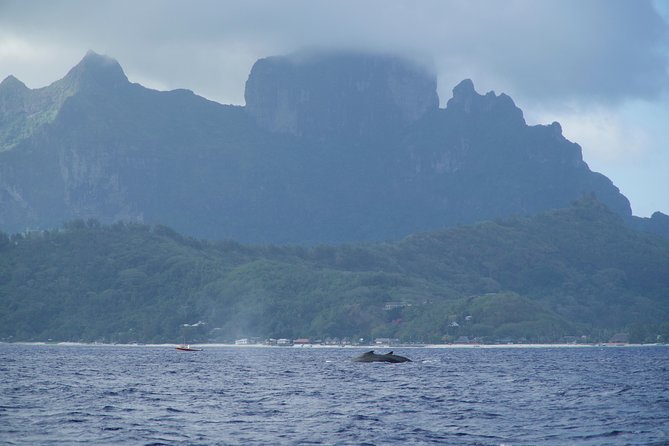
And it’s not only humpbacks. Depending on what the ocean is doing that day, you might also encounter orcas, rorquals, and dolphins. In plain terms: you’re not booking one species and one moment—you’re booking a chance to read the water, spot movement, and follow what the local crew finds.
Just keep your expectations realistic. Even with an experienced captain and guide, whales are wild animals with their own schedule. If the wind shifts or they surface somewhere else, your trip can still be great—but it might look different than the photos you’ve seen online.
You can also read our reviews of more whale watching tours in Bora Bora

Getting There Fast: Pickup by Boat and Your Starting Point
This tour is built for convenience. You get picked up by boat at your hotel or a nearby meeting point, rather than hauling yourself across Bora Bora first. That matters because you lose less daylight to logistics and more time on the search.
Your tour starts at Bora Ocean Adventures (BP 795, Bora-Bora 98730, French Polynesia). From there, you head out with your guide and captain for about 3 hours 30 minutes total. You can choose a morning or afternoon slot, which is handy if you’re juggling a hotel tour, a plane arrival, or a day trip.
One small practical note: water time is water time. Bring what you need to stay comfortable—sunscreen, a hat, and anything that helps with sun and spray. The ocean can feel like it has its own weather system, even when the lagoon looks calm from shore.
Small-Group Reality: Max 12 and Why Your Guide’s Job Gets Easier
The boat keeps it intimate: up to 12 travelers. That’s a real advantage, not just a marketing number. With fewer people onboard, your guide can:
- point things out faster when whales surface
- manage gear distribution without chaos
- move the group efficiently when you’re ready to snorkel
This is also where the guide personalities you see in reviews come through. Names like Sebastian and BG pop up as standout guides, and other crews (like Will and Rudolf) are credited with finding whales and setting a good viewing spot. Even when every day isn’t perfect, that consistent theme is important: the crew works hard to keep the experience smooth and educational.
And because you’re on a smaller vessel, you’ll often feel the day more clearly—when the captain makes a turn to investigate a blow, when the guide calls out a direction, and when you circle back for another look.
Out Beyond the Reef: What the 3.5 Hours Feels Like on the Water
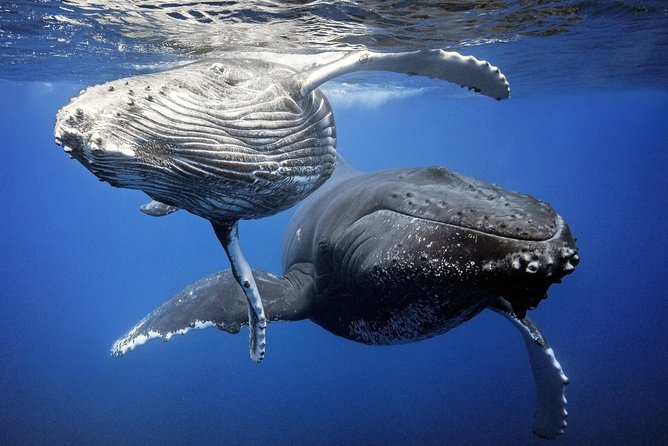
This isn’t just a slow loop around the lagoon for a quick glance. On many outings, you’ll travel out beyond the reef into open ocean where whales can be spotted farther from shore. When whales are active, that’s where the action can show up as a spout, a breach, or a big movement in the water.
A typical flow goes like this:
- You search and reposition, checking the water for signs.
- When you find something, you follow at a respectful distance to observe behavior.
- If conditions and the whales’ location allow it, you may get a chance to snorkel closer.
How close you get varies. Some days you’ll see breaches from roughly 100 to 300 yards and enjoy the show from the boat. Other days, you’ll have enough whale behavior near the surface to make swimming possible. The best days are the ones where your timing matches the whales’ surfacing rhythm.
Also remember: the ocean changes fast. Wind and waves can affect comfort and your ability to enter the water. Even if you do everything right, nature still decides where the whales show up.
Snorkeling Setup You Don’t Have to Hunt For
One of the biggest value pieces here is what you get handed on day-of. The tour includes:
- snorkeling equipment
- a waterproof jacket and waterproof bag setup
- towels
That’s a lot of friction removed. You don’t have to rent gear, buy wet bags, or try to keep your phone dry in a beach bag that leaks the first time you sit down.
If you’re hoping to swim with whales, listen carefully during the guide briefing. The rules around whale interaction matter, and your guide will manage safety and spacing so you’re not just charging into the ocean with excitement.
When swimming does happen, it’s usually because the whales are close enough and calm enough to allow it under the local regulations. When it doesn’t happen, you’ll still spend time spotting, learning, and watching whales in their real environment—not a forced performance.




What You Might See: From Distant Breaches to In-Water Moments
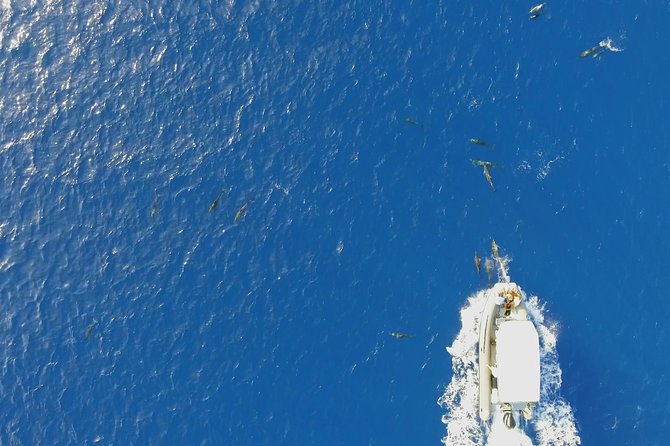
Here’s the honest range of possibilities, based on how this tour tends to play out.
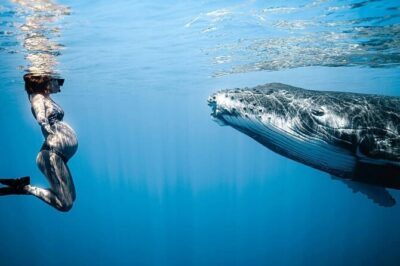
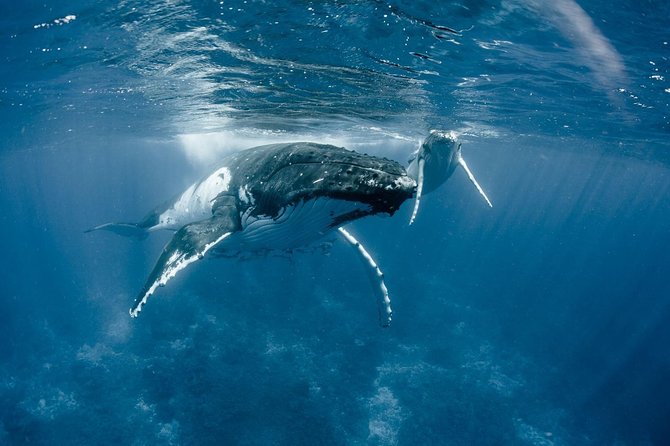
You might see humpbacks from the boat. Expect spouts, surface time, and sometimes breaches. On better days, you can watch a mother and calf moving together, with the calf showing curiosity and play. You might even catch whale sounds, since guides sometimes get excited about detecting singing behavior.
You might snorkel in the water near them. Some trips include actual whale-near snorkeling—people describe getting in, then floating and swimming while the whale stays nearby. That’s the part that makes this tour feel like a bucket-list item.
You might not see whales. Yes, it happens. Some days you’ll leave with no whales spotted, even though the crew keeps searching and communicates with other boats. When that occurs, your experience can still include other wildlife and stunning scenery, but it won’t match the whale-focused fantasy.
If you’re the kind of person who hates uncertainty, consider that before booking. If you can handle the gamble—because whales are wild—this type of tour is still one of the best ways to try.
Crew Work That Shows Up: Searching, Positioning, and Respect
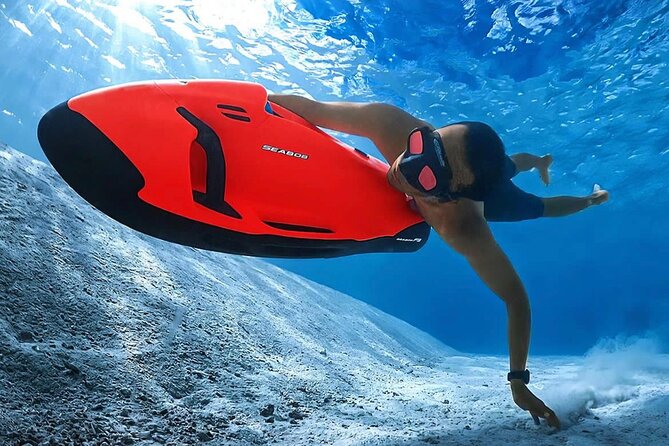
The most praised part of this experience is the crew effort. People consistently describe guides and captains who are actively searching, communicating, and trying multiple chances before giving up.
That “keep looking” attitude matters. Whales don’t surface on command. So when you’re out there and your guide has the boat positioned near where whales might appear again, you’re increasing your odds.
It’s also about respect. The tour approach is about observing without forcing closeness. Some swimmers find whales are near enough for interaction; others end up staying on the boat because regulations and whale behavior don’t allow a closer approach. Either way, the best moments happen when the crew manages timing and spacing well.
And yes—some people report the boat feels steady, while others note the size is a tradeoff. If you’re large/tall, that’s worth noting.
Boat Comfort Notes: Small Vessel Pros and Cons
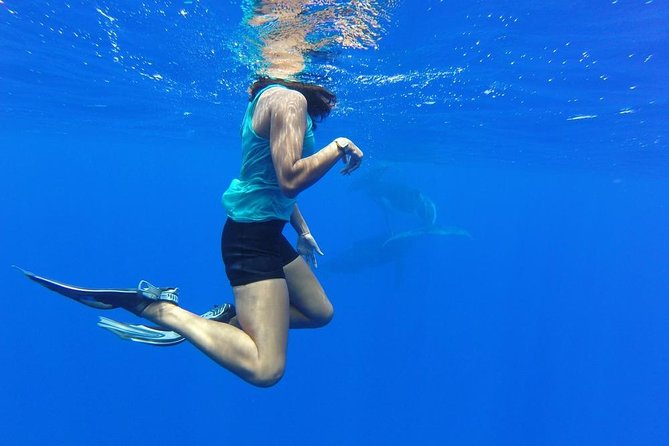
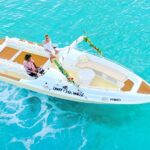
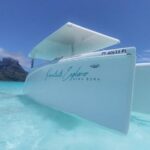
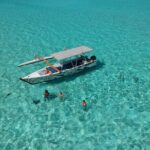
This is a smaller pontoon-style boat used for the activity, and that affects comfort. The upside: it’s easier to manage gear, and with a smaller passenger load you often get better movement onboard. Some people love the stability, especially when conditions are choppy.
The downside: seating and interior space may not suit everyone. One caution that came up clearly: the boat may be not suitable for people around 1.90 meters tall or more. If you’re tall, it’s smart to think about comfort before you go.
Also, expect ocean conditions to be part of the trip. Even when the crew is doing everything right, the water can feel rough. Bring a plan for motion sickness (if you need one) and keep your expectations flexible.
Price and Value: Is $304 Worth It for This Chance?
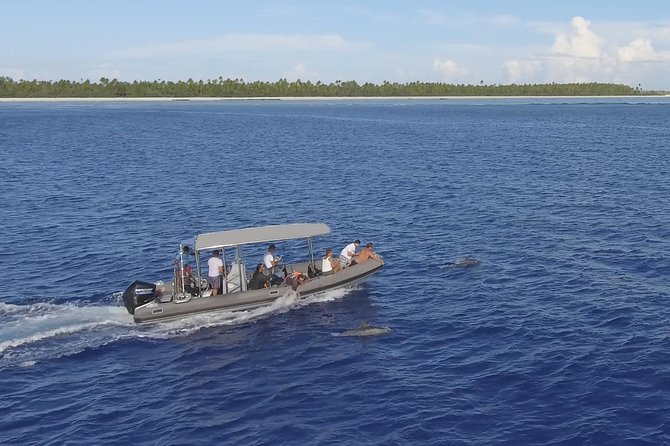
At $304 for about 3 hours 30 minutes, you’re paying for more than “watch whales from a dock.” You’re paying for:
- a local captain and guide actively searching
- a small-group experience (max 12)
- boat pickup from your hotel/meeting area
- snorkel equipment, towels, and waterproof gear
- fresh water, tea, and a snack during the tour
So the value comes from the package. If you have to buy gear, deal with transportation, and then hope someone else finds whales, the cost usually creeps up anyway.
That said, this is still a whale watch. You’re buying a guided experience with good odds during the season, not a guarantee of swimming or even sightings. If you treat it like a high-quality nature outing with a chance for magic, it usually lands well. If you treat it like a reserved swim appointment, the risk feels harsher.
Who Should Book This Whale Watching Trip (and Who Should Think Twice)
Book it if:
- you’re visiting Bora Bora in July–November
- you want a guided, small-group outing with real effort behind the scenes
- you’d enjoy learning about marine life, not just chasing photos
- you’re open to snorkel time when conditions and whales allow it
Consider skipping or choosing a backup plan if:
- you’re very sensitive to rough water or motion
- you’re tall enough that boat comfort could be a problem (around 1.90 m and up)
- you need a guaranteed whale sighting or guaranteed swimming
If you’re traveling as a couple, friends, or solo, small-group setups often feel like a sweet spot. With more space and less crowding, the guide can keep the experience flowing even when whales are elusive.
Should You Book Whale Watching Bora Bora?
I’d book this if your trip timing lines up with July to November and you’re comfortable with the reality of wild animals. The included snorkel gear, towels, waterproof setup, snacks, and boat pickup make it feel like a complete experience, not a “show up and hope” situation. Plus, the crew effort is a strong pattern—people describe guides who keep searching and give clear instructions, with named captains/guide teams like Sebastian and BG, and others like Will and Rudolf, standing out.
If you’re unlucky and whales don’t show (it can happen), you still come home with boat time, wildlife possibilities, and a great view of Bora Bora from the water—but you won’t get the whale encounter you paid for. So choose this when you can handle that gamble.
FAQ
How long is the whale watching tour?
The tour runs about 3 hours 30 minutes.
Do they offer pickup?
Yes, pickup is offered, and it’s by boat from your hotel or meeting point.
Is snorkeling equipment included?
Yes. Snorkel equipment is provided, along with a waterproof jacket/bags and towels.
Can I choose a morning or afternoon departure?
Yes. You can choose from two tour times to fit your schedule.
Is it guaranteed that we will see whales?
No. Whales are wild and sightings can’t be guaranteed 100%, even with experienced guides and a captain searching actively.
What if the weather is bad or the tour is canceled?
This experience requires good weather. If it’s canceled due to poor weather, you’ll be offered a different date or a full refund. You can also cancel for a full refund up to 24 hours in advance.