REVIEW · BORA BORA
Shared – Introduction to wine – Bora Bora Wine Tastings
Book on Viator →Operated by Bora Bora Wine Tastings · Bookable on Viator
Wine time, with lagoon views. This small-group Bora Bora session with sommelier Allan is built around wine-and-food pairings and the easy, hands-on way you learn to taste, not just drink. I especially loved the personalized attention and the way each sip matched bites like goat cheese, tuna tartare, and truffles. One thing to keep in mind: the tasting can be canceled if the minimum number of participants is not met.
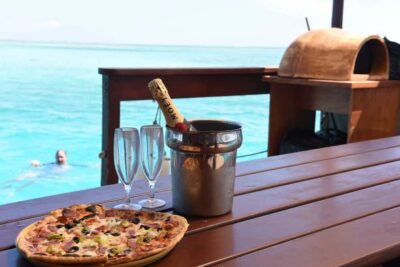
You’re hosted at Saint-James, one of the island’s standout dining rooms, and the breaks between pours come with lagoon scenery while you ask questions. Plus, pickup to the venue and snack-sized food make it feel like a polished treat that fits into your afternoon without you doing logistics math.
In This Review
- Key things to know before you taste
- Saint-James wine tasting in Bora Bora: why this setting matters
- Meeting sommelier Allan and learning how to taste (for real)
- What you’ll sip: wines and liqueurs matched to bites
- The pairing lesson you can use at dinner the same night
- Time, group size, and how the two-hour format feels
- Price and value: what you’re paying for at $220 per person
- Dinner option at Saint-James: use the tasting to order smarter
- Who this tasting is perfect for (and who might hesitate)
- Should you book Bora Bora Wine Tastings?
- FAQ
- Where does the Bora Bora wine tasting take place?
- How long is the wine tasting?
- What time does it run?
- How much does it cost?
- Does the tour include transportation?
- What’s included with the tastings?
- How many people are in the group?
- Can I stay for dinner at Saint-James?
- What if the experience is canceled or I need to cancel?
Key things to know before you taste
- Small group (max 6) means you can actually ask questions and get feedback on how you’re tasting.
- Sommelier Allan runs it with an interactive, Q&A style that stays friendly, not stuffy.
- Food pairing is the whole point, with bites like goat cheese, tuna tartare, and truffles tied to each pour.
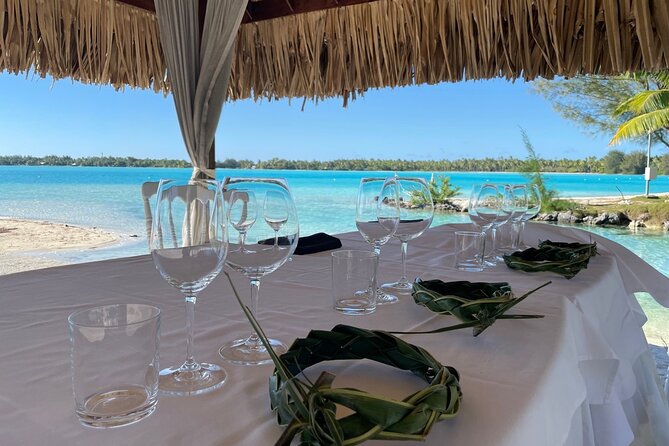
- Hosted at Saint-James so you taste in a true “restaurant-with-a-real-wine-cellar” setting.
- Two hours makes it a great add-on for food lovers without eating up your whole evening.
Saint-James wine tasting in Bora Bora: why this setting matters
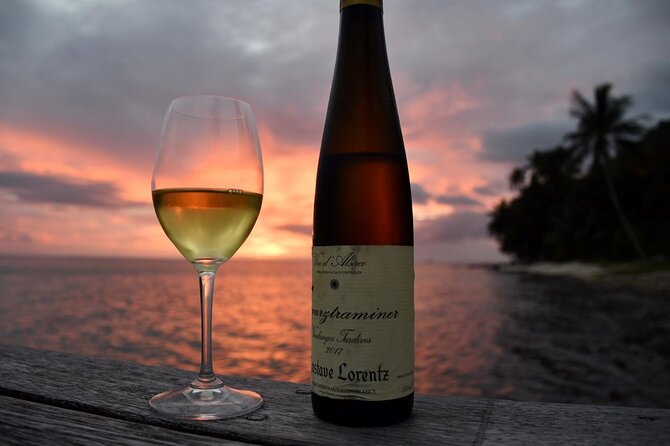
If you like food and you like wine, this tasting hits the sweet spot: it’s not trying to turn you into a critic. It’s more like an expert guide helping you notice what your palate is already doing, then showing you how to steer it with pairings.
The big reason I’d pick this style of experience is the Saint-James setting. You’re hosted at a top restaurant with a strong wine cellar, and that changes the vibe. Instead of a generic tasting room, you’re in a place designed for dining—so the whole lesson connects back to real meals.
The other practical win is timing. The tasting runs daily from 3:30 PM to 5:30 PM, so you can still have dinner plans afterward without feeling rushed. And because there’s pickup offered, you don’t lose vacation time figuring out transport.
You can also read our reviews of more wine tours in Bora Bora
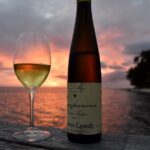
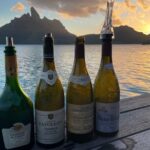
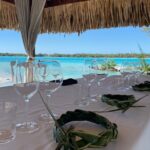
Meeting sommelier Allan and learning how to taste (for real)
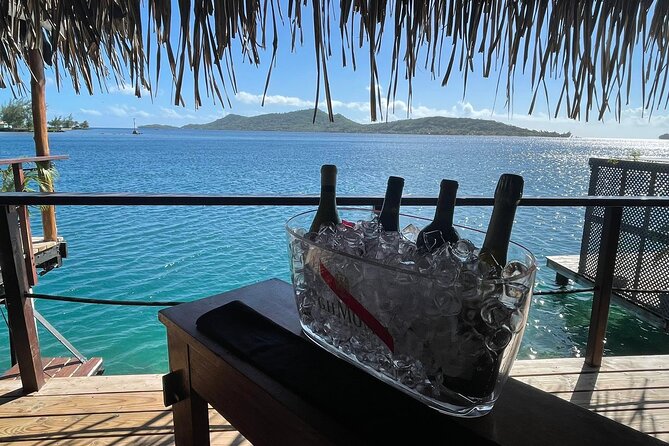
What I like about this tasting is that it teaches the process of wine tasting, not just wine names. Your sommelier’s goal is to show you the right way to taste—and, just as important, how to match wine to what’s on your plate.
The best part is how interactive Allan’s approach comes across. In the feedback I’m using to guide your expectations, people highlight that he’s hands-on, answers questions fully, and stays engaged. One review even mentioned he stayed longer than expected to wrap up conversations and help everyone land their questions.
You’ll also hear a theme that makes the lessons stick: wine can sublimate food, and food can sublimate wine—if you understand the basics of pairing. That idea matters because most people only learn “pairing rules” from trial and error. Here, you’re being given the shortcuts so you can use them immediately, not just remember them for a quiz.
What you’ll sip: wines and liqueurs matched to bites
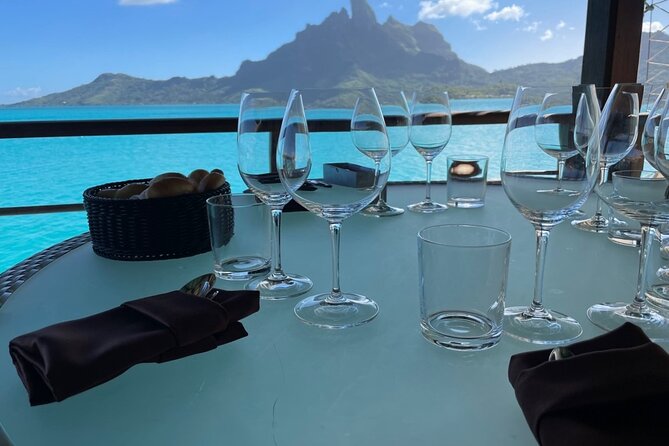
This is a tasting with multiple pours. The format focuses on “different levels of tastings” and different “types of wines and liquors,” with appetizer-sized plates designed to show how flavors change together.
You should expect snack-style food pairings that include:
- Goat cheese
- Tuna tartare
- Truffles
Those aren’t random picks. They’re foods that react strongly to wine, which makes them perfect for training your palate. Goat cheese can highlight acidity and texture. Tuna tartare tends to reward wines that don’t bully the delicate flavors. Truffles bring aroma and richness that can dramatically change what you think you taste in a glass.
In practical terms, you’re learning how to notice the shifts. After each bite, you’ll get a better sense of questions like:
- Does the wine make the food taste brighter or heavier?
- Does the food soften the wine, or make it taste sharper?
- Are the flavors blending, or fighting?
Even if you’re new to wine, this structure can help. You’re not being asked to memorize complicated technical terms. You’re being asked to pay attention, then connect that attention to pairing logic.
The pairing lesson you can use at dinner the same night
A lot of wine tastings stop at instruction. This one pushes into pairing in a way that’s meant to help you later at restaurants.
The pairing lesson matters because “what tastes good” isn’t only about personal preference. It’s about balance: acidity versus richness, aroma versus sweetness, and how one component changes your perception of another. When you get it right, the food can taste more interesting—and the wine can taste more complete.
And since you’re tasting alongside food (not tasting wine in isolation), you’ll start understanding why a wine that’s fine on its own can become outstanding with the right bite. The experience is built around that cause-and-effect.
If you’re the type who always orders the “safe” pairing because you’re not sure, this can break the pattern. You’ll leave with a few concrete ideas about what to ask for or what to look for on a menu. Even without formulas, you’ll have a new mental checklist: match the wine’s character to the plate’s main flavor and texture.
Time, group size, and how the two-hour format feels
This is a 2-hour experience, and the short duration is part of its usefulness. You’re not stuck in a half-day lecture. You’re getting a focused set of tastings, food pairings, and discussion—then you can head back to the rest of your Bora Bora plans.
The session is also capped at 6 travelers. That small group size is a big deal here because tasting is personal. People learn at different speeds. With fewer people in the room, Allan can adjust the pace, answer more questions, and give real feedback instead of rushing through.
Also note the “lesson-to-drinks” rhythm. Because there’s food included, the experience doesn’t feel like you’re just sitting with glasses. You’re guided from bite to sip, then back to the lesson, which helps you keep your attention. That’s especially helpful if you’re not a wine expert.
One logistics note that affects your planning: the experience can be canceled if the minimum number of participants isn’t met. If Bora Bora is your once-in-a-lifetime trip, you’ll want to book early and keep an eye on your schedule.


Price and value: what you’re paying for at $220 per person
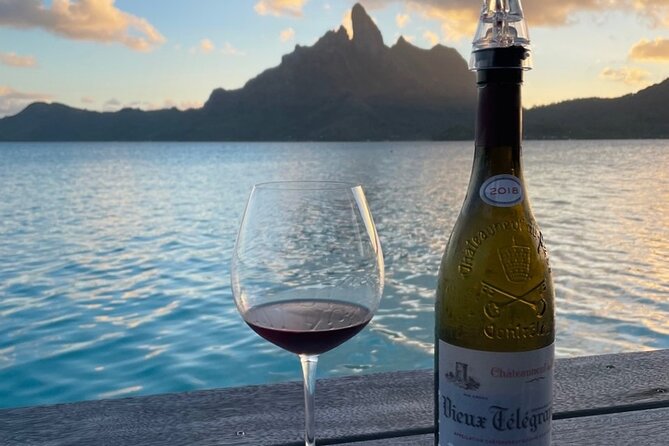
At $220 per person, the sticker price looks high—until you zoom in on what’s included and how this format works.
Here’s the value equation as it relates to you:
- You get drinks (wine and liqueurs) and snack-sized food.
- You get transportation support with pickup offered.
- You get a small-group setting and guided teaching from a sommelier host.
- The venue is Saint-James, a top restaurant setting with a respected wine cellar.
A self-guided tasting might cost less, but you’d still need to pay for each glass, figure out pairings, and accept that you’ll likely miss the pairing “why.” This experience packages the learning and the tasting into one timed session.
It’s also worth factoring in demand. The experience is typically booked about 100 days in advance on average, which suggests people treat it as a priority food-and-drink activity—not a casual add-on. If that’s true for you, the price makes more sense because you’re reserving a limited, curated, small-group time slot.
Dinner option at Saint-James: use the tasting to order smarter
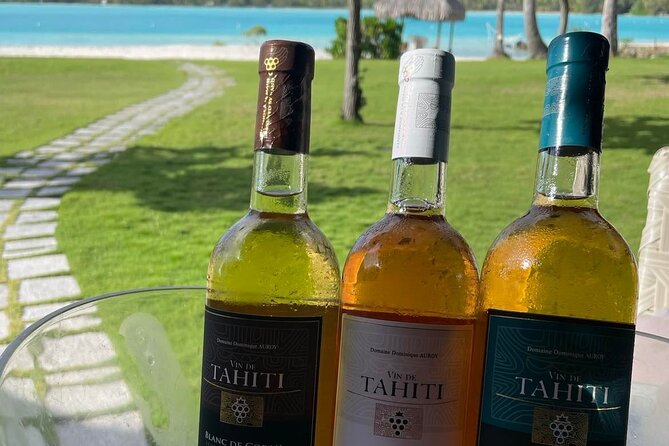
There’s an optional path after the tasting: you can stay at Saint-James for dinner. If you do, this is where the tasting becomes extra valuable, because you’ll already understand what kind of pairing works with the flavors you just tasted.
The experience includes advice about wine selection for dinner. That means you’re not starting from scratch when you sit down. You can look at the menu and apply what you learned about matching wines to food styles and aromas.
Even if you don’t stay for dinner, the bigger takeaway is this: you’ll likely feel more confident ordering wine with your meal. Instead of asking for the safest option, you can ask for something that matches the dish’s profile—what you just practiced in miniature.
Who this tasting is perfect for (and who might hesitate)
This works best if you’re one of these travelers:
- You love food and wine and want a guided pairing lesson.
- You want personalized attention, not a large group hurry-up-and-drink setup.
- You’re celebrating something special, or you just want a “treat yourself” hour that feels upscale and thoughtful.
- You’re curious even if you’re not a wine person. The structure is built to teach, not gatekeep.
You might think twice if you can’t handle schedule uncertainty. Since the experience requires a minimum number of participants, it can be canceled if that minimum isn’t reached. If you’re traveling with a tight, fixed itinerary, consider booking early and staying flexible on your evening plans.
Should you book Bora Bora Wine Tastings?
I’d book it if you want Bora Bora to include something that’s more than scenery. The combination of small-group instruction, pairing with foods like goat cheese, tuna tartare, and truffles, and the Saint-James restaurant setting makes it feel both elegant and practical. You’re not only tasting; you’re learning how to choose wine with intention.
It’s also ideal if you like having an expert (Allan) in your corner to answer questions. The feedback about his interactive teaching and willingness to go beyond the basics is exactly what you hope for in a premium food experience.
Just plan ahead with two realities in mind: the experience runs in a tight 2-hour window in the late afternoon, and it can be canceled if the minimum participant count isn’t met.
FAQ
Where does the Bora Bora wine tasting take place?
The tasting is hosted at the Saint-James restaurant in Bora Bora.
How long is the wine tasting?
The experience lasts about 2 hours.
What time does it run?
It runs daily (Monday through Sunday) from 3:30 PM to 5:30 PM.
How much does it cost?
The price is $220.00 per person.
Does the tour include transportation?
Yes. Pickup offered means transportation to the venue is provided.
What’s included with the tastings?
It includes drinks plus snack-sized food that’s paired with what you’re tasting.
How many people are in the group?
The group size has a maximum of 6 travelers.
Can I stay for dinner at Saint-James?
Yes, there is an option to stay at the restaurant for dinner, and you can get advice on wine selection for your meal.
What if the experience is canceled or I need to cancel?
You can cancel for a full refund up to 24 hours in advance. The experience also requires a minimum number of travelers, and if it’s canceled for that reason you’ll be offered a different date/experience or a full refund.