REVIEW · NADI
Fiji: Navala Village Cultural Tour & Traditional Lunch
Book on GetYourGuide →Operated by Rosie Holidays · Bookable on GetYourGuide
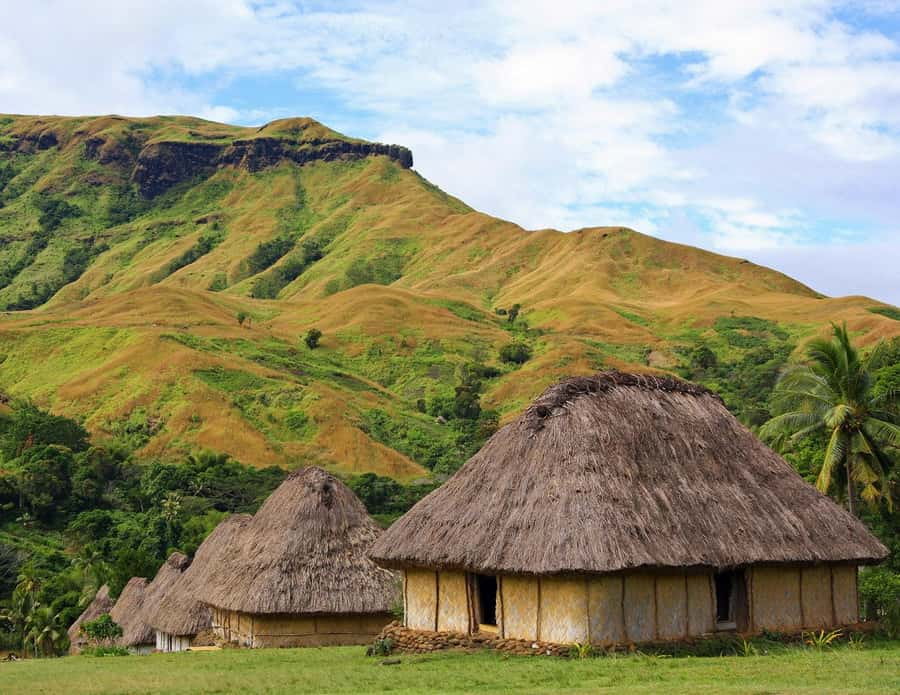
Navala isn’t a studio-style culture stop. It’s a working village carved into the hillside near the Ba area, where you’ll still see traditional bure life up close. The day flows from a formal welcome into a guided walk, then food and time to cool off.
Two things I really like: the sevusevu welcome ceremony in a bure, and the fact that you don’t just look from the outside. You get inside visits to multiple houses and a guided tour that includes the village primary school.
One drawback to think about first: you have to follow strict etiquette (no hats or sunglasses, and remove your shoes). If you’re not ready for a dress-and-shoes routine, it can feel a bit like a hassle before it feels meaningful.
In This Review
- Key things that make this tour worth your time
- Why Navala feels like a real time machine in Fiji’s mountains
- The drive up: photo stops and facts you’ll actually use
- Sevusevu welcome in a bure: the ritual part (and how to respect it)
- Inside the village: bures, a remote primary school, and real day-to-day life
- Traditional lunch prepared by locals: what you’ll taste and why it matters
- River swim stop and etiquette: the rules that keep it respectful
- Price and what you get for $222 per person (is it good value?)
- Logistics that can trip you up: pickup timing, shoes, and hot weather
- Who this tour suits best (and who should skip it)
- Should you book Navala Village Cultural Tour & Traditional Lunch?
- FAQ
- How long is the Navala Village Cultural Tour?
- Where does the tour pick up from?
- What time will I be back at my hotel?
- What’s included in the price?
- Are drinks included?
- Is there time to swim?
- What should I bring and wear?
- Is the tour suitable for wheelchair users or mobility impairments?
Key things that make this tour worth your time
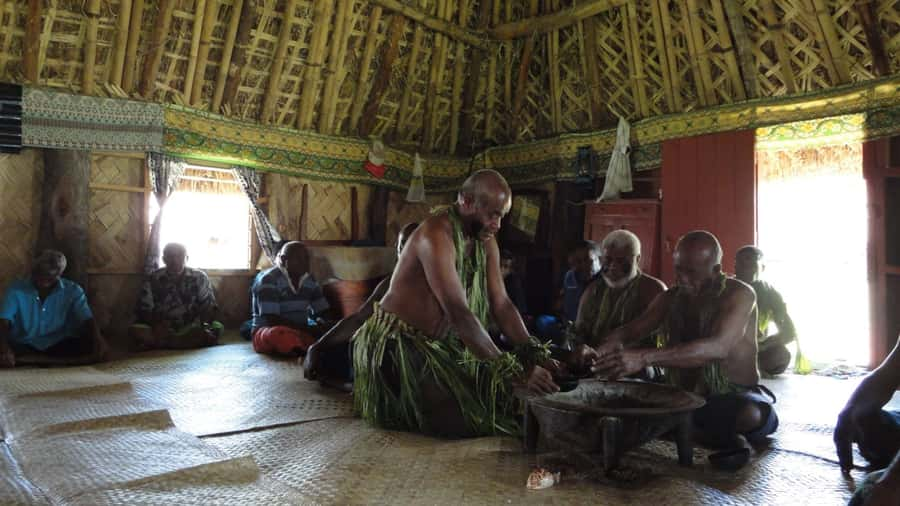
- Sevusevu welcome in a bure that sets the tone with local ceremony
- Inside views of thatched houses (bures), not just photos from the road
- School visit that adds real context to everyday village life
- Traditional lunch prepared by locals, with food grown and gathered locally
- River swim time to cool off in the Ba River area
- Guides like William and Ve, praised for clear, practical explanations
Why Navala feels like a real time machine in Fiji’s mountains
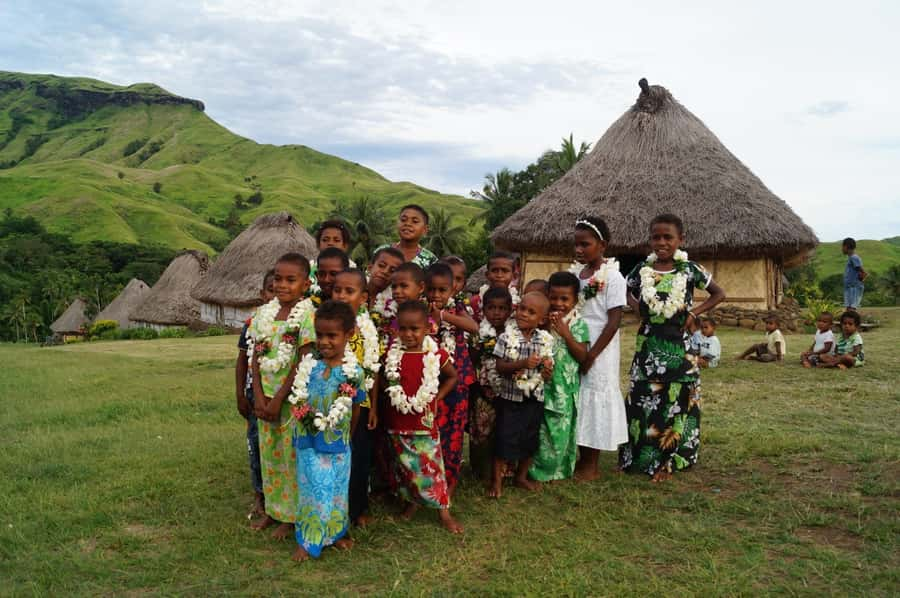
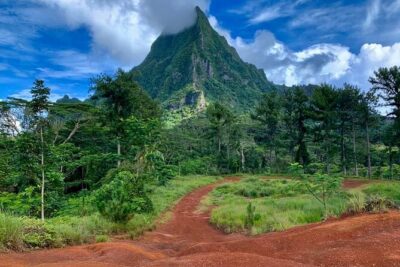
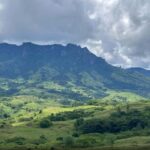
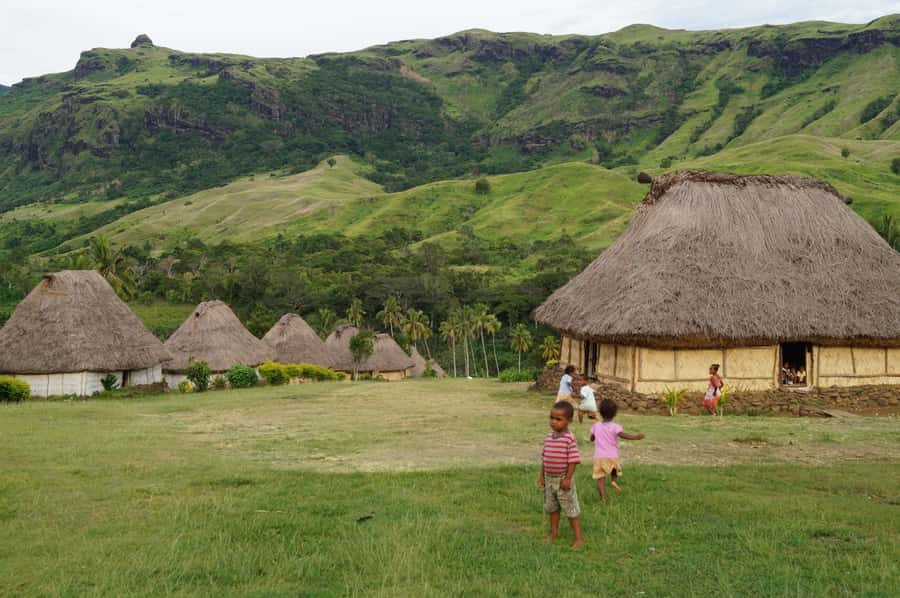
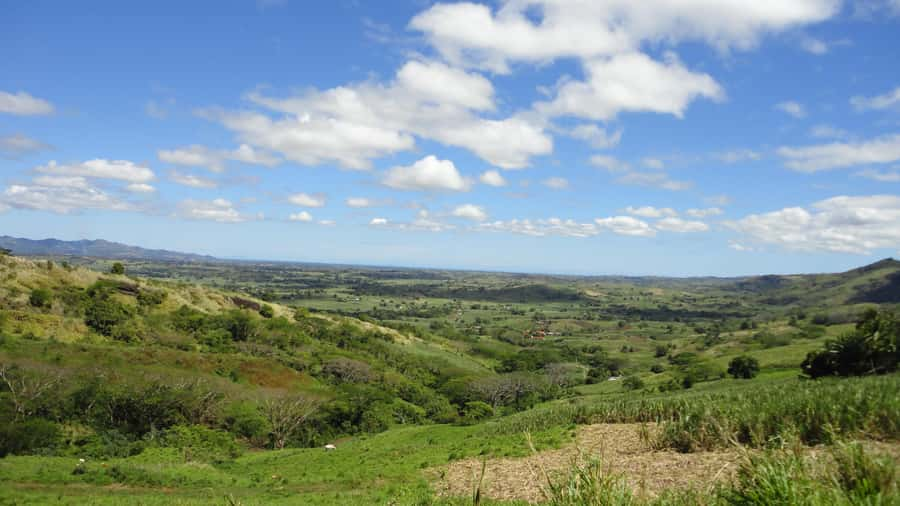
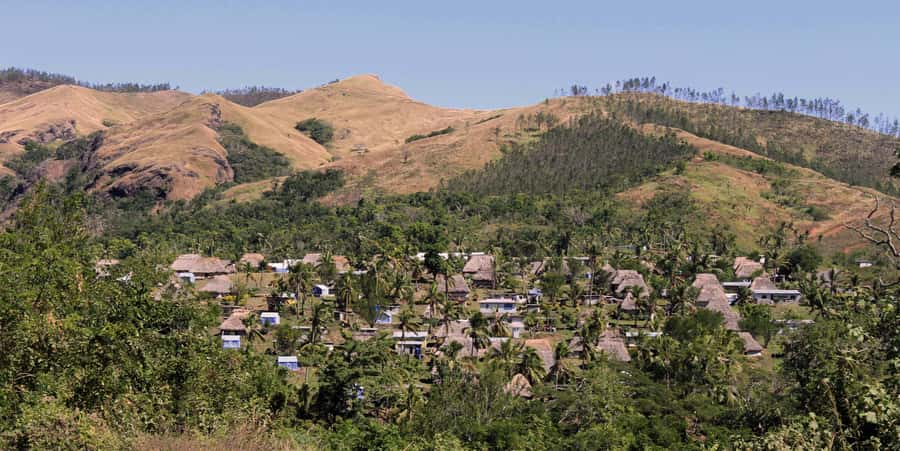
Navala sits in the mountains, and the setting matters. You’re not just changing scenery; you’re stepping into a place where daily life still revolves around thatched homes, family routines, and local farming and foraging. The village is neatly carved into the side of the mountain near Ba, so the views and the geometry of the place stick with you.
What makes this feel authentic is how the tour is built around normal village structure. You’re welcomed first, then guided through spaces where people actually live. That rhythm keeps the day from feeling like a checklist.
You’ll hear about how villagers grow and manage food from the surrounding land, and you’ll also get the chance to see how the community keeps itself going through the seasons. It’s the kind of “how people live” experience that makes culture feel practical, not performative.
You can also read our reviews of more tours and experiences in Nadi.

The drive up: photo stops and facts you’ll actually use
Most days don’t start with much more than a bus ride, but this one sets you up. You take a scenic ride to Navala with photo stops en route, so you get a head start on the mountain feel. It’s also when your guide shares context about Fiji and what you’ll be seeing later.
Guides here are specifically noted for knowledge during the drive, including explanations from William. Another guide named Ve is also described as very helpful and informative. Even if you think you already know Fiji from beach time, the mountain perspective changes what you notice.
This part is useful because it gets you prepared for etiquette and expectations. When you understand how and why people live this way, the rules in the village (clothing, shoes, and respect) stop feeling random. You’ll feel like you’re arriving with some basics, not just showing up.
Sevusevu welcome in a bure: the ritual part (and how to respect it)
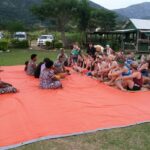
The day’s emotional anchor is the sevusevu welcome ceremony inside a Fijian bure. Sevusevu is a traditional form of welcome, and it’s where the tour turns from sightseeing into a shared moment with the community. You’ll be guided through it rather than just walking into the middle of it.
What I appreciate is that it’s not treated like a photo-op only. The ceremony is your starting point for understanding that the village isn’t a set built for visitors. It’s a place where respect matters.
Then you’ll meet a local guide and begin the village walk. You can expect that your host will explain traditional ways of life as you go, including details about how the community gets food and how daily life is organized around seasons. It’s a good pace: ceremony first, then learning while you’re still in the setting.
Inside the village: bures, a remote primary school, and real day-to-day life
The village tour is where Navala shifts from scenery to story. You’ll take a guided walk that includes visiting the remote primary school. That stop matters because schools are a visible link between community life now and what’s ahead for the children in the village.
You’ll also have time for an inside look at bures—thatched roof homes—so you can see the structure and living layout rather than only the exterior. Multiple house interiors are a standout detail, and that’s a big part of why this tour earns top marks.
One practical thing: the village is set up so you’ll experience spaces differently than you do at home. You should be ready for a quieter, slower rhythm and for moments where the guide pauses to explain how things are done. If you rush through, you’ll miss what makes it meaningful.
The biggest “value” here isn’t just photos inside traditional homes. It’s the way the tour helps you understand how people manage daily needs—food, cleanliness, water, and community life—in a mountain environment.
Traditional lunch prepared by locals: what you’ll taste and why it matters
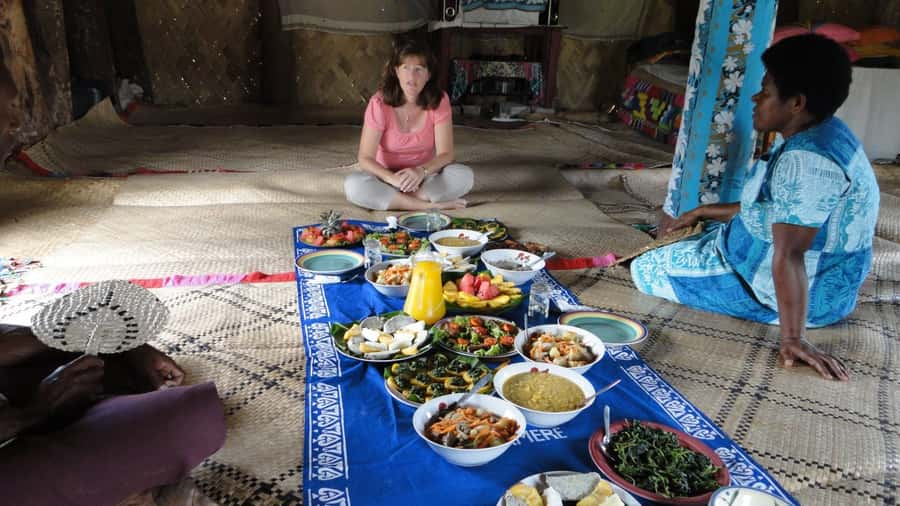
After the walk comes the meal, and it’s one of the most important parts of the day. You’ll enjoy a traditional Fijian lunch prepared by locals. This isn’t just about eating; it’s about understanding the food system behind the village.
You’ll learn how villagers plant their own supplies—root crops, plus fruits and vegetables. Then you’ll hear about seasonal additions from the jungle, including wild fruits, yams, and even wild pig. That food mix tells you a lot about how people live with the seasons rather than relying entirely on outside supplies.
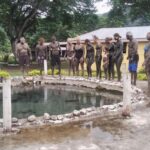
There’s also a water element to the story. The village way of life includes bathing and cooling off in cold waters from the upper source of the Ba River, and you’ll get refreshed with the mountain air too. Even if you don’t eat like a local every day, the way the tour explains the food and water connection makes lunch feel grounded and purposeful.
And yes, it’s tasty. The lunch is a core part of what makes this cultural visit feel like a full day rather than a quick stop.
A few more Nadi tours and experiences worth a look



River swim stop and etiquette: the rules that keep it respectful
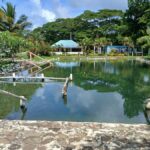
The experience includes time to swim in the river, which is a refreshing break in the middle of the day. It’s also a reminder that this tour isn’t just classroom learning. It’s physically connected to the place.
But the village etiquette is non-negotiable, and it directly affects your comfort. You should plan around:
- No hats and sunglasses in the village
- Women covering shoulders and knees while in the village
- Removing shoes before entering any house
- Staying with your assigned host
- No alcohol in the village
A lot of visitors underestimate how fast you can feel awkward if you’re wearing the wrong thing. The upside is that following the rules is usually straightforward once you think like a guest. You’re adapting for a few hours, and in return you’re allowed to see how people actually live.
If you’re bringing a sun hat for the ride, that’s smart for sun protection outside. Just be ready to follow the rule once you’re inside the village.
Price and what you get for $222 per person (is it good value?)
At $222 per person for about 7 hours, the question is whether it’s “worth it” compared to doing your own half-day in Fiji. The value comes from what’s included.
You’re getting:
- Hotel pickup and drop-off in most major resort areas listed (Nadi/Denarau, First Landing area, Vuda, plus specific resorts)
- Transportation for the trip up and back
- Entry fees to the village
- Guided tour and local guiding
- Traditional lunch
- All local taxes
What’s not included: drinks and personal expenses. That means you should budget for bottled water and any extras you want during the day, especially if it’s hot.
For me, this pricing works best if you’d otherwise pay separately for a driver, a guide, village access, and a proper meal. Here, those pieces are bundled. Also, the day’s content is specific: ceremony, bure interiors, a school visit, a meal, and river time. You’re not just paying for a view; you’re paying for access and explanation.
Logistics that can trip you up: pickup timing, shoes, and hot weather
Pickup is included in many hotels/resort zones, but not every property is covered. When it is included, you need to be ready at the lobby 15 minutes prior to your pick-up time. The vehicle you’re looking for is a Rosie Holidays bus or van.
If you can’t find the transport within the expected window, the instruction is to tell resort reception or the resort tour desk quickly. In other words: don’t wait too long and hope it sorts itself out.
Once you arrive in the village, your comfort depends on prep:
- Bring comfortable shoes you can remove easily
- Wear clothes that match the shoulder/knee rule for women
- Skip hats and sunglasses while you’re inside the village areas
This is also a day where weather matters. Mountains can feel cooler than the coast, but you’re still outdoors, sun hits, and you’ll be moving. So do the boring planning part: sunscreen and breathable clothing for the road, then adjust for the village.
The tour ends with return to your hotel by 4:30 PM, which is a nice timing target if you want a simple evening back at the resort.
Who this tour suits best (and who should skip it)
This is ideal for you if you want a culture experience that’s guided, structured, and connected to everyday village life. You’ll get the ceremony, the house interiors, the school visit, and a full traditional lunch—plus time to cool off in the river.
It’s also a good fit if you like tours where etiquette is part of the experience. You’ll learn quickly that respecting the space is how you get the real access.
It’s not a great match if you have mobility challenges. The tour is listed as not suitable for people with mobility impairments and wheelchair users. The village setting plus the movement between areas likely makes it difficult.
If you’re the type who wants zero rules and zero waiting, this may feel strict. But if you like learning how people live—and you’re willing to follow the local standards—Navala delivers.
Should you book Navala Village Cultural Tour & Traditional Lunch?
I’d book it if you’re looking for one Fiji day that feels like you met a place, not just passed through it. The strongest reasons are the sevusevu welcome, inside bure access, and the way the day ties together food, schooling, and daily routines. Guides such as William (praised for deep knowledge) and Ve (praised for helpful, informative support) are exactly the kind of guidance you want when visiting someone’s home community.
I’d think twice if you’re sensitive about dress rules, hat-free areas, and shoe removal. You’re also on your feet for a village walk, so plan with comfort in mind.
If your goal is a meaningful cultural day in Fiji’s interior, this one has a clear focus—and it follows through.
FAQ
How long is the Navala Village Cultural Tour?
The tour duration is 7 hours.
Where does the tour pick up from?
Hotel pickup and drop-off are included in most Nadi/Denarau areas and several resort areas, including specific hotels listed in the pickup list. Pickup is not included for hotels outside that list.
What time will I be back at my hotel?
Return to your hotel is scheduled for 4:30 PM.
What’s included in the price?
The price includes transportation, entry fees to the village, a guided tour, traditional Fijian lunch, hotel pickup/drop-off (for eligible areas), and all local taxes.
Are drinks included?
No. Drinks are not included.
Is there time to swim?
Yes. The experience includes swimming in the river.
What should I bring and wear?
Bring comfortable shoes, a sun hat (for outside sun), sunscreen, and comfortable clothes. Dress rules also apply once you’re in the village.
Is the tour suitable for wheelchair users or mobility impairments?
No. It is not suitable for people with mobility impairments or wheelchair users.