REVIEW · NADI
Coral Coast & Village School Tour from Nadi or Denarau
Book on GetYourGuide →Operated by VALENTINE TOURS FIJI · Bookable on GetYourGuide
Culture meets craft on Fiji’s Coral Coast. This half-day trip feels like a real slice of everyday Fiji: you’ll drive the Coral Coast with a local, stop in Sigatoka for market bargaining, then get a kava welcome at Lawai Pottery Village. I especially like two parts: watching pottery get made from riverbed silt while you learn how local materials are used, and getting a hands-on cultural moment rather than just photos. One consideration: the village school visit can vary by timing, so you may not always see the kids on the day you go.
I also like that the tour balances people, place, and story. An English-speaking guide (and in some departures, you might even get very flexible guides like Deo, or an informative driver like Kamal) keeps things moving without rushing the stops too hard. You’re covered for transport and admissions, but there’s no lunch, so plan for snacks or budget time after the tour.
In This Review
- Key highlights worth penciling in
- Coral Coast pickup and the drive that sets the tone
- Sigatoka River to the market: where bargaining becomes real
- A small pacing note
- Village school visit: community connection, but timing can vary
- Lawai Pottery Village: kava welcome first, then craft and dance
- What’s special about this stop
- Pottery from river silt: how the craft works and why it matters
- Sigatoka viewpoint with the Hare Krishna temple on the hill
- Price and value: is $88 worth a half-day?
- What to bring (and what to avoid) for an easy day
- Who this tour suits best
- A note on flexibility and guide quality
- Should you book the Coral Coast and Village School tour?
- FAQ
- Where does the tour start?
- How long is the tour?
- What’s included in the price?
- Is lunch provided?
- What should I bring?
- Are there dress requirements?
- Is the tour guaranteed to run?
Key highlights worth penciling in
- Coral Coast drives with local commentary that help you read what you’re seeing, not just pass by it
- Sigatoka market bargaining practice with colorful tropical produce mounds to make it feel natural
- Village school visit in Sigatoka that connects you to community life (timing can affect what’s happening)
- Lawai Pottery Village kava ceremony with the root being pounded for the welcome drink
- Traditional pottery process using river silt clay and techniques like glazing with eucalyptus resin
- Meke dance demonstration tied to the same cultural stop, not tacked on as an afterthought
Coral Coast pickup and the drive that sets the tone
Your day starts with hotel pickup from the central areas of Nadi or Denarau, then you head out on a half-day route that’s long enough to feel like you left resort life behind, but not so long that it eats your entire day. The tour runs about 390 minutes, and that timing matters because you’ll actually have time at each stop instead of a constant shuffle back and forth.
From the start, the route is designed to give you context. You’ll pass southern beaches as you work your way along the Coral Coast, then cut inland at the Sigatoka River. Even if you’ve never been to Fiji before, the drive helps you understand how the coast and the river communities link up: beaches aren’t separate from village life here. The guide’s live commentary in English helps connect what you see (coast, river, town) to why people live the way they do.
This is also where the tour quietly does one valuable thing: it reduces decision fatigue. You don’t have to map a route, arrange a guide, or figure out how to get between a market, a village school, and a craft village. The transport is round-trip, and you’re also provided bottled water and soft drinks, which is a small detail that can make a hot Fiji day much easier.
You can also read our reviews of more tours and experiences in Nadi.

Sigatoka River to the market: where bargaining becomes real
The stop at Sigatoka is one of the most practical parts of the day. The market sits in a village setting, and you’ll move through stalls with tropical produce and seasonal fruit. The best thing about this kind of market visit is that you’re not performing shopping for a show—you’re learning how buying actually happens on the island.
And yes, you’ll get a chance to bargain like a local. That doesn’t mean you should go in angry or aggressive. Instead, think of it as a conversation. Start with a polite offer, let the vendor respond, and watch the rhythm. Having a guide around helps you avoid awkward moments and gives you confidence to try, even if you’re not normally a market shopper.
What I like most is the sensory reality. Markets change your pace. You stop seeing Fiji as scenery and start seeing it as food, hands, and daily needs. If you like travel that feels grounded, this is where the tour gets its credibility.
A small pacing note
This tour is designed as a half-day, so market time is time-limited. If you love shopping, set a mental goal before you go—pick what you want (fruit, small gifts, something pottery-related), then bargain with purpose. That way you don’t lose the whole window chasing the perfect deal.
Village school visit: community connection, but timing can vary
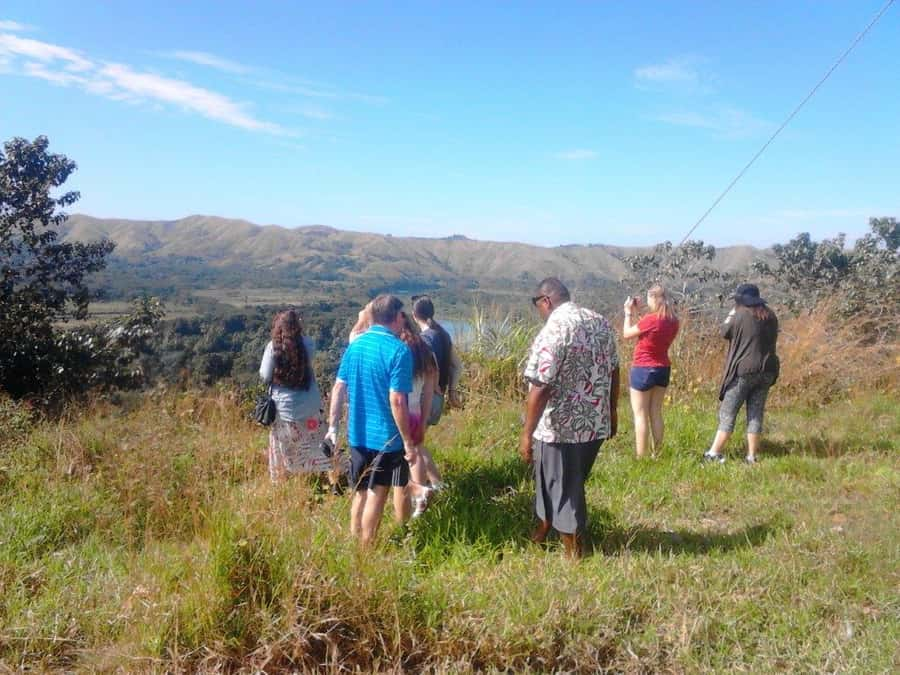
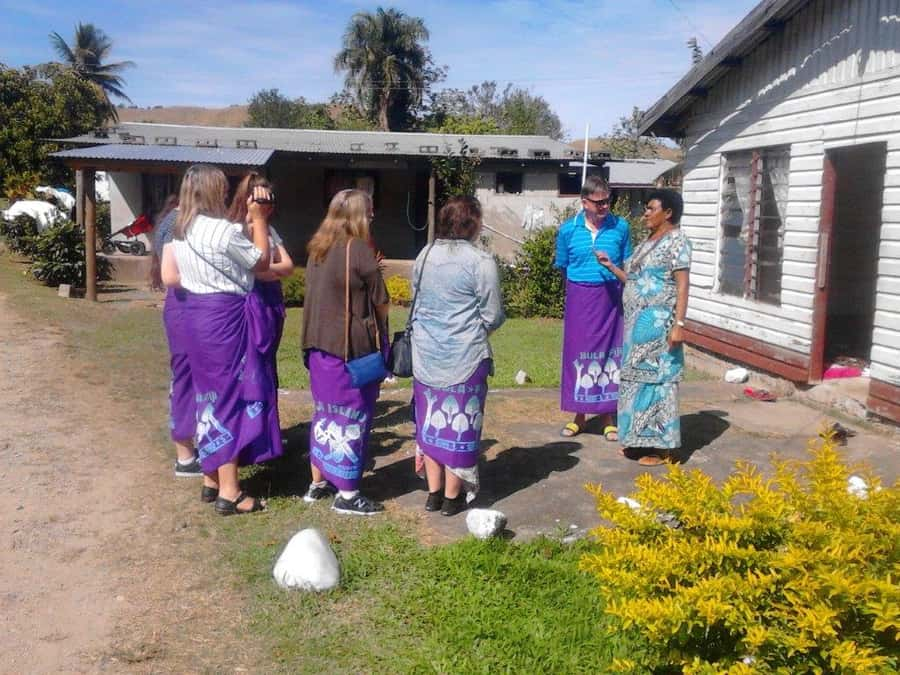
A real community highlight is the village school visit in Sigatoka. Even when you keep your expectations simple, you’ll walk away understanding something important: education here isn’t an abstract idea. It’s part of how families shape the future, and seeing the school setting can make the rest of the day feel more meaningful.
Now for the honest part. School visits can be unpredictable. One past experience noted that the school wasn’t in session during the visit, so the focus may shift from classrooms to the school environment itself. Another note suggested you might wish you had more time to look around the village and see more of the children.
So if you’re booking specifically hoping for lots of interaction or classroom time, keep your expectations flexible. Your guide can still make the visit valuable through context and explanation. But the day-of reality may depend on whether school is actively running.
Lawai Pottery Village: kava welcome first, then craft and dance
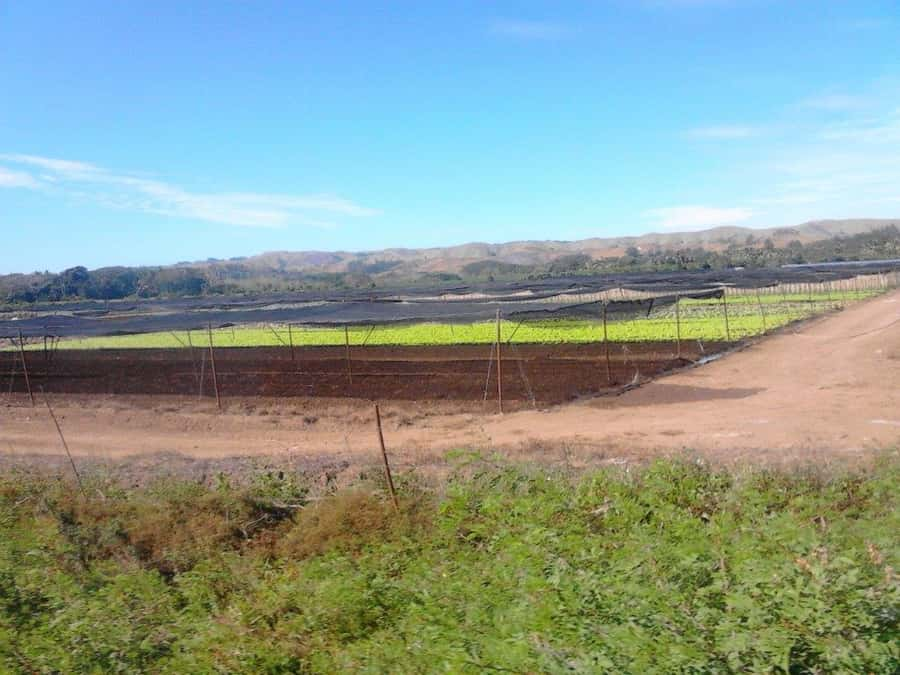
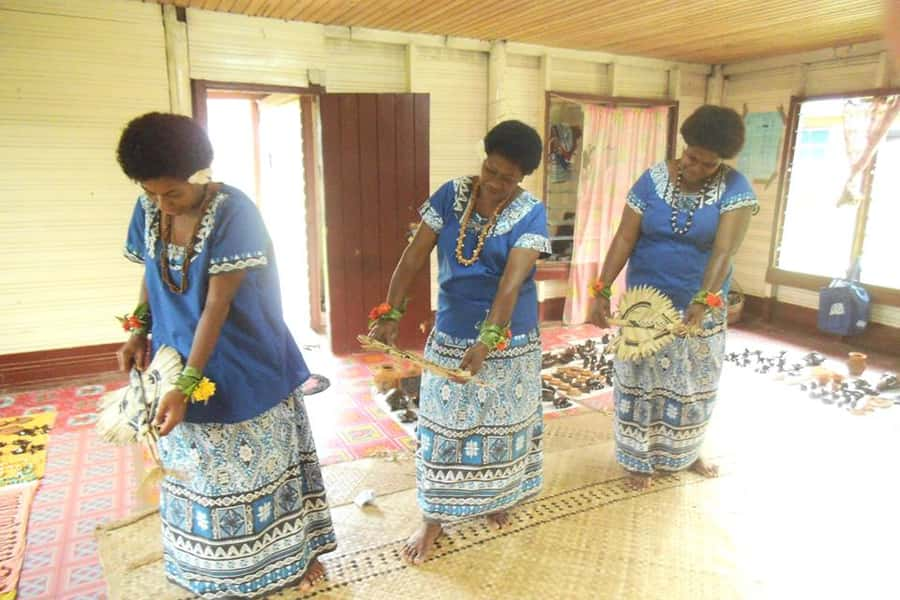
Next comes Lawai Pottery Village, and the order matters. You’re greeted with a traditional kava ceremony, which is a core cultural ritual in Fiji. You’ll see villagers pound the kava root to make an earthy liquid, and it’s shared as a sign of welcome. Even if you’ve tried kava before, watching the process locally adds weight. It stops being a novelty and becomes a lived tradition with steps, roles, and meaning.
After the ceremony, the day shifts into craft. You’ll watch a demonstration of how traditional pottery is made in Fiji. This is where the tour stops being a passive “see and leave” stop and becomes a learning experience. You’ll also see a meke dance demonstration, connecting the craft setting to performing arts. That pairing is smart: you’re already in a cultural environment, so the dance feels like part of the same story rather than a separate attraction.





What’s special about this stop
The best cultural moments aren’t only about what you watch—they’re about how you’re included. The kava welcome signals respect, and the pottery demo gives you hands-on understanding of technique. That combination is why this stop consistently stands out as a highlight for people booking this exact route.
Pottery from river silt: how the craft works and why it matters
The pottery demonstration isn’t just theater. The key detail is that you’ll learn how locals craft pottery from the silt clay of the riverbed. That’s a big deal, because it ties the material directly to place. In other words, this isn’t imported craft supply done for tourists. It’s rooted in local resources.
You’ll also hear how glazes and decorations can involve local plants such as eucalyptus resin. That matters for your understanding. When you know what glazes come from and why they’re chosen, the pottery stops being random ornamentation and starts being a practical, place-based process.
From a value perspective, this is one of the most worth-your-time segments of the itinerary. It gives you a mental checklist you can carry home: riverbed clay, plant-based materials, and technique passed through practice. It’s the kind of souvenir that feels earned, even if you don’t plan to buy.
Sigatoka viewpoint with the Hare Krishna temple on the hill
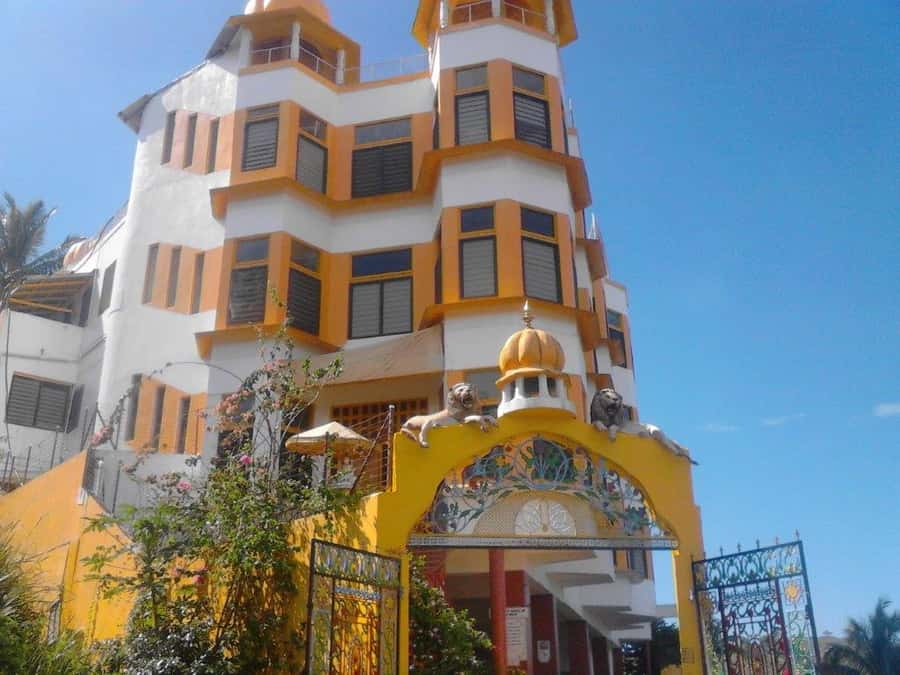
Before heading back toward Nadi or Denarau, there’s a stop at Sigatoka’s Hare Krishna temple, perched on a hilltop with views over the river below. It’s not the kind of stop that needs a long explanation. It’s a viewpoint that helps you reconnect the dots between the earlier river drive and the town you visited.
This part can also be a nice mental breather. After market energy and a craft-focused village stop, the temple viewpoint gives you space to slow down, take in the scale, and absorb how the river shapes the area.
If you’re the type who likes photography, this is often where you’ll get your best “where are we?” perspective shots.
Price and value: is $88 worth a half-day?
At $88 per person, this tour is priced like a mid-range cultural outing, and the value comes from what’s included. You get:
- guided tour of the Coral Coast
- admission fees
- bottled water and soft drinks
- round-trip transportation from central Nadi/Denarau hotels
- live English tour commentary
You’re also paying for multiple categories of experiences in one compact block: scenery + market + school + kava + craft + dance + a temple viewpoint. For a lot of visitors, that combination is the value—especially if you don’t want to organize separate transport for each stop.
The main pricing trade-off: lunch isn’t included. That’s not unusual, but it does affect your day. If you tend to get hungry mid-afternoon, plan a snack strategy. Either eat before you go, or be ready to pick something up after.
Also, consider what you want your Fiji day to feel like. If you want a beach day only, this route may feel too culture-heavy. But if you want a better understanding of how communities along the coast live, the price starts to make sense quickly.
What to bring (and what to avoid) for an easy day
You don’t need a huge packing list, but the basics will keep you comfortable and respectful:
- Towel
- Cash
Dress matters too. Sleeveless shirts aren’t allowed, so choose something with shoulders covered. That’s one of those small rules that can stop problems before they start.
Given the stops, you might also want to wear comfortable footwear and breathable clothes. The tour moves between town and village settings, and Fiji heat is real even when the sun isn’t blasting all day.
If you’re doing the kava ceremony, remember it’s a welcome ritual, not a stage show. Follow your guide’s cues for what to do and when.
Who this tour suits best
This tour fits you well if you want a culture-focused half-day with a clear route and minimal effort required. It’s especially good for:
- first-time Fiji visitors who want more than resort scenery
- people who like markets but would rather go with guidance for bargaining
- anyone curious about how traditional pottery is made and what local materials mean
- travelers who want a village school visit plus kava and craft in one day
It can be less perfect if your priority is deep exploration on foot. One past note said it’s good for people who do not like walking a lot, which suggests the pacing is calmer than some walking-heavy village tours. If you love long hikes or extended time in neighborhoods, you might find the schedule keeps moving.
A note on flexibility and guide quality
Guide quality is a huge part of how this kind of tour feels. Past experiences praised guides for being friendly, answering questions, and adjusting time to keep the day enjoyable. One person highlighted flexibility in extending time in some places and shortening in others. Another pointed out a very informative driver who adapted the schedule to fit the day.
So if you can, keep your expectations aligned with a guided day that aims to be efficient but not rigid. The best results happen when you go in curious and willing to go with the flow.
Should you book the Coral Coast and Village School tour?
Yes—if you want a high-value cultural sampler with real stops that go beyond the resort bubble. The combo of Sigatoka market bargaining, a kava welcome at Lawai Pottery Village, and the pottery process using river silt and plant-based materials is exactly the kind of practical, memorable experience that makes Fiji feel personal.
I’d think twice only if you’re booking with very specific hopes about seeing school activities happening at the same time every day. The school component can vary, and you may get more environment and context than active classroom scenes depending on timing.
If you match the style—curious, respectful, and happy with a half-day structure—you’ll likely feel like you spent your time well.
FAQ
Where does the tour start?
Pick-up is available from the lobby of centrally located hotels in Nadi or Denarau.
How long is the tour?
The duration is about 390 minutes (roughly a half day).
What’s included in the price?
Admission fees, guided tour, bottled water and soft drinks, round-trip transportation from your hotel area, and live tour commentary in English are included.
Is lunch provided?
No. Lunch is not included.
What should I bring?
Bring a towel and cash.
Are there dress requirements?
Yes. Sleeveless shirts are not allowed.
Is the tour guaranteed to run?
At least 2 people are required for the activity to take place.