REVIEW · BORA BORA
Bora Bora: 4WD History & Culture Tour
Book on GetYourGuide →Operated by Vavau Adventures · Bookable on GetYourGuide
Forget Bora Bora from the road. This 4×4 tour gets you to WWII American-built sites from 1942 and to viewpoint stops you can’t reach any other way. I love the blend of stories—temple legends and seafaring lore—plus the hands-on Faanui Valley pause for pareu-making, coconut oil, and local fruit tasting. My only caution: the roads can be steep and rough, so flip-flops are not the move.
I also like how the day is powered by the guides. Terie has been known to serenade the group with local tunes, while Deano has a knack for answering questions on the island’s plants, old hotel areas, and even WW2 cannons. And when you get someone like Tamanono or Hery, you’re more likely to get a clear, well-paced explanation even if the weather turns.
One more thing to weigh: it’s short—3 hours—so you’ll get a fast, solid overview, not every corner of Bora Bora. If you’re hoping for long time at each stop or perfect views all the way through, plan around possible rain and changing cloud cover.
In This Review
- Key points worth getting excited about
- The 4×4 ride is the whole point (and it’s not a smooth cruise)
- WWII sites from 1942: history you can point at
- Ancient Tahitian temple stories: where myth meets the terrain
- Faanui Valley and the pareu workshop: the hands-on cultural stop
- Cold towels, fruit tastings, and the small comfort details
- Lookout points: why the weather can change everything
- Price and value: $72 for a fast 3-hour hit of land + culture
- What to pack and how to ride comfortably
- Pickup timing: where you’ll meet without stress
- Who this tour suits best
- Should you book it?
- FAQ
- How long is the Bora Bora 4WD History & Culture Tour?
- What’s the pickup timing for Matira and Vaitape?
- What languages is the live guide available in?
- What’s included in the tour?
- What kind of sights will I see during the tour?
- Is this tour cancelable if plans change?
Key points worth getting excited about
- WWII heritage in 4×4-accessible areas tied to 1942 American-built sites
- Ancient Tahitian temple and seafaring legend storytelling built around life on the island
- Faanui Valley fruit plantations plus a family-run stop for pareu-making
- Parei workshop details including coconut oil making and fruit tasting
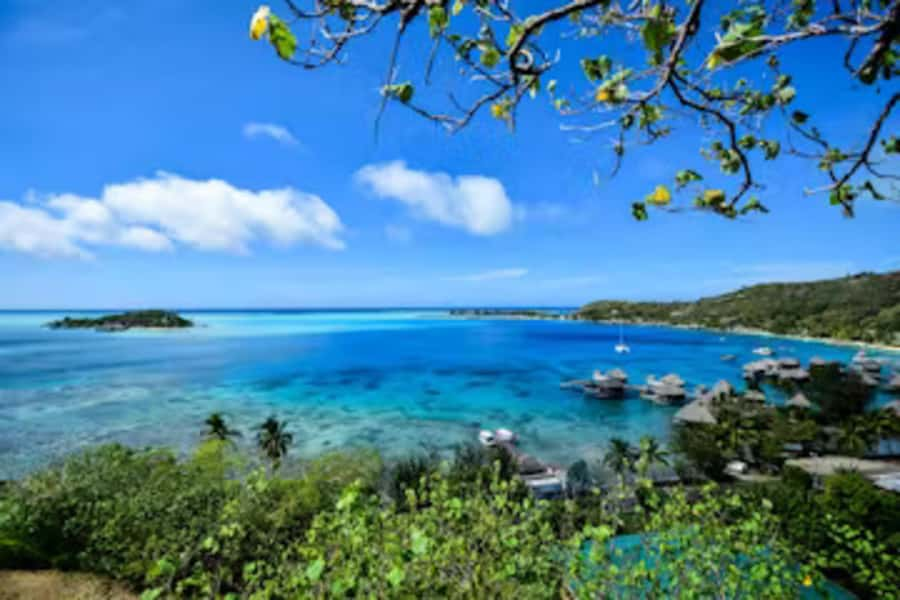
- Lookout points reached by jeep trails (some steep, some narrow)
- Small comforts included like bottle water and cold wet towels to cool down fast
The 4×4 ride is the whole point (and it’s not a smooth cruise)
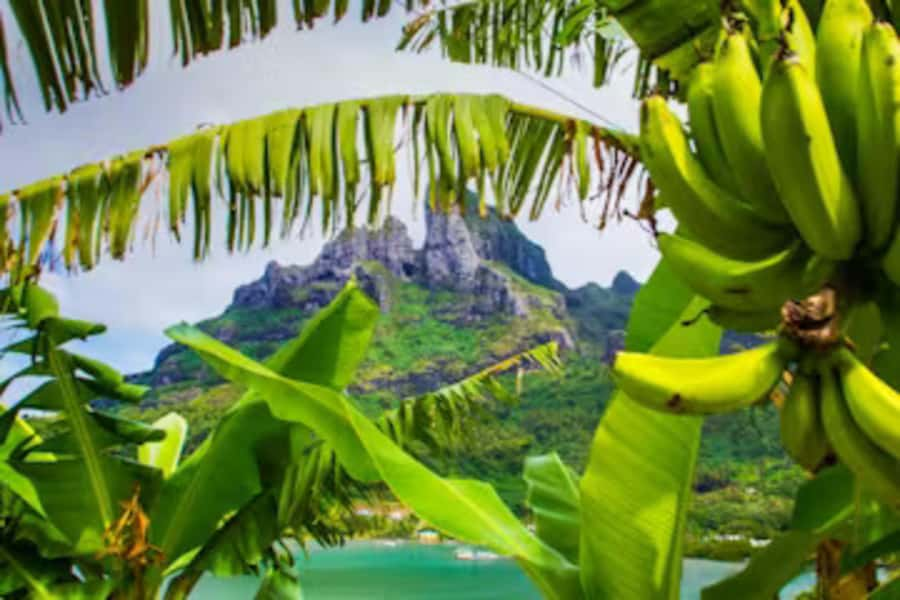
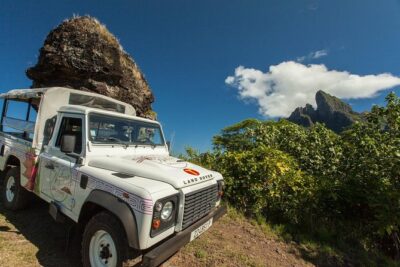
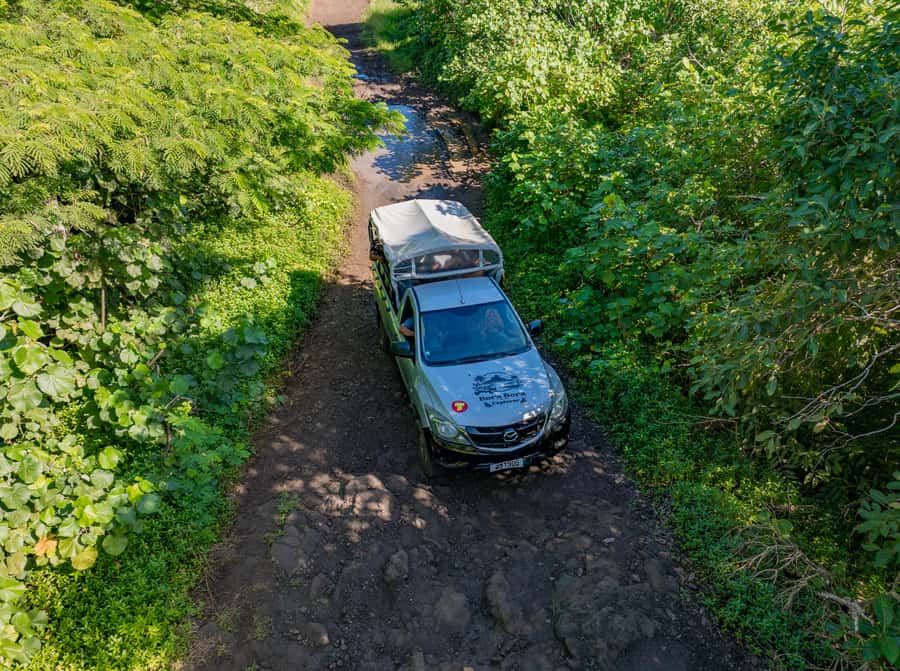
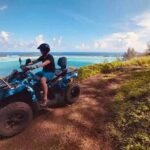
This tour is built around the reality that Bora Bora’s best angles often sit off the main roads. You’re in a 4×4 for a reason: to reach lookout points and scenic spots that are hard to access any other way. That also means the ride can feel like real off-road travel, not theme-park sightseeing.
From the feedback I’m seeing, some tracks are steep and one-lane-ish in feel, with sections that aren’t ideal for people in flimsy footwear. That’s where smart packing matters. Bring shoes with grip. If you wear sandals, make them proper walking sandals—not the kind that slide. One of the strongest practical tips is this: wear trainers or good walking sandals so you can hop out, walk a little, and climb back in without turning it into a balancing act.
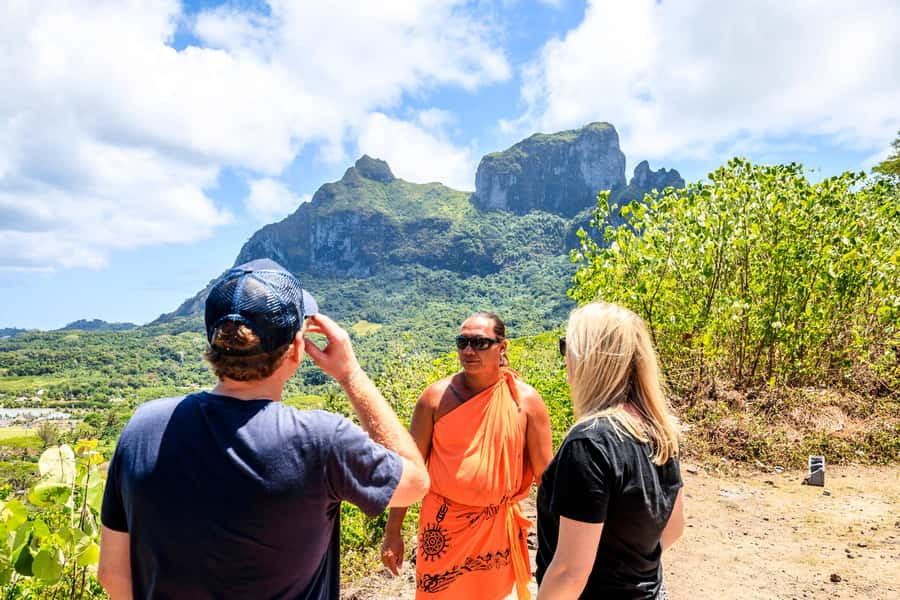
The upside is big: when you reach the viewpoints, you’re seeing the island from places that look totally different from the usual shoreline perspective. And because the route is off-road, you also get that sense of moving through the real island, not just driving the postcard strip.
You can also read our reviews of more tours and experiences in Bora Bora.

WWII sites from 1942: history you can point at
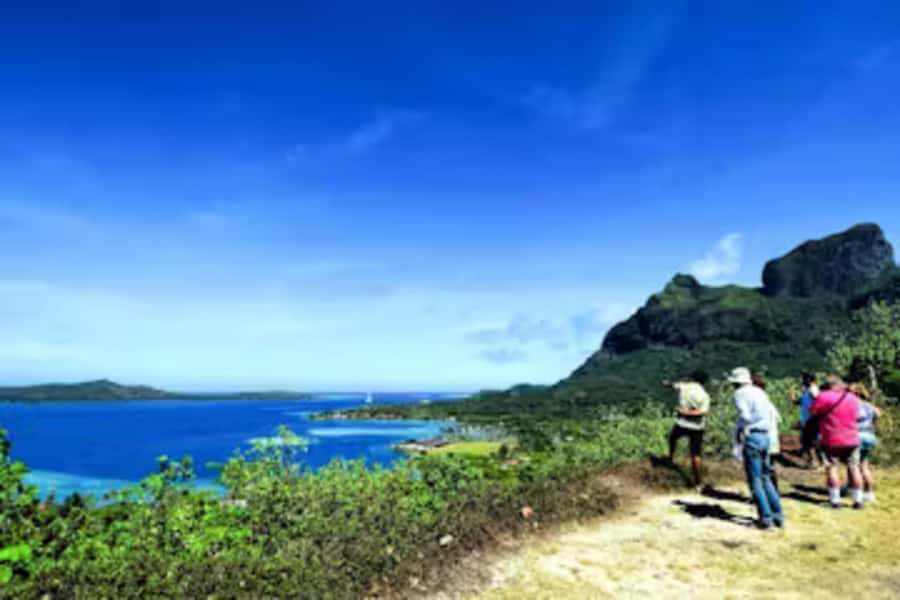
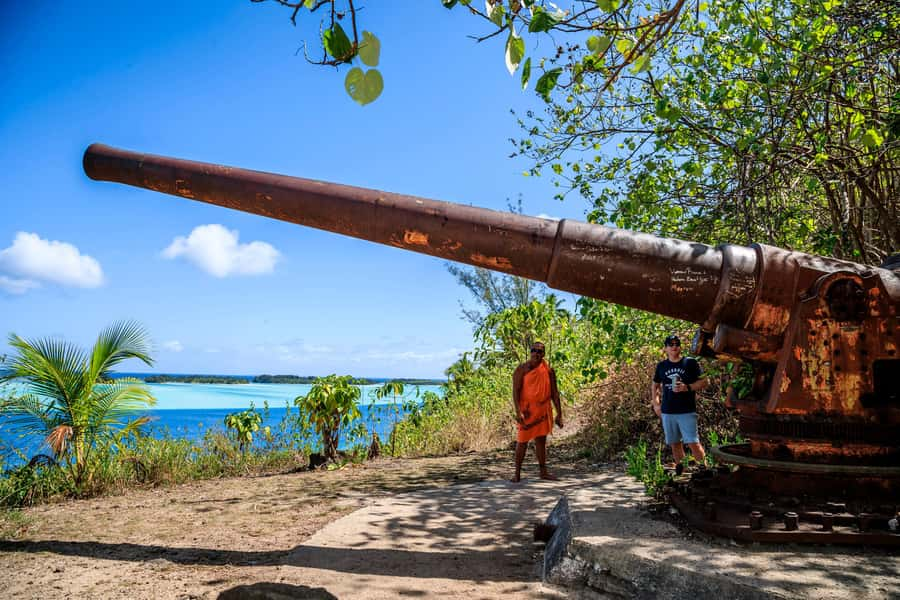
Bora Bora has a layered past, and this tour focuses on one particularly specific chapter: World War II sites connected to 1942, when American forces built infrastructure on the island. You’re not just hearing a vague overview. You’ll explore areas tied to that period as part of the land route.
One standout moment is the stop connected to WW2 cannons. If you like history that’s tangible—metal still sitting where it was placed, angles you can physically observe—this part delivers. And because you’re on a jeep route, you can reach viewpoints and areas that feel connected to how the island was used and defended at the time.
This is also a good tour choice if you’re short on time. You’re packing in a WWII theme without needing a separate day just for military history.
Ancient Tahitian temple stories: where myth meets the terrain
The tour doesn’t stop at modern history. You’ll also hear about ancient Tahitian temple traditions tied to the seafaring society and legends of the island. The key time reference you’ll hear is around 1,000 AD, when these temple traditions are said to have been built.
In practice, what makes this portion work is how it gets tied to place. You’re not receiving facts floating in air. You’re hearing stories while moving through parts of Bora Bora that feel like they belong to the same world as those legends—valleys, trails, and outlooks that help you understand why seafaring culture mattered so much.
If you enjoy culture that’s more than museum text, you’ll likely appreciate how the guide weaves the past into what you can see: plants, island patterns, and the way people traditionally used the land.
Faanui Valley and the pareu workshop: the hands-on cultural stop
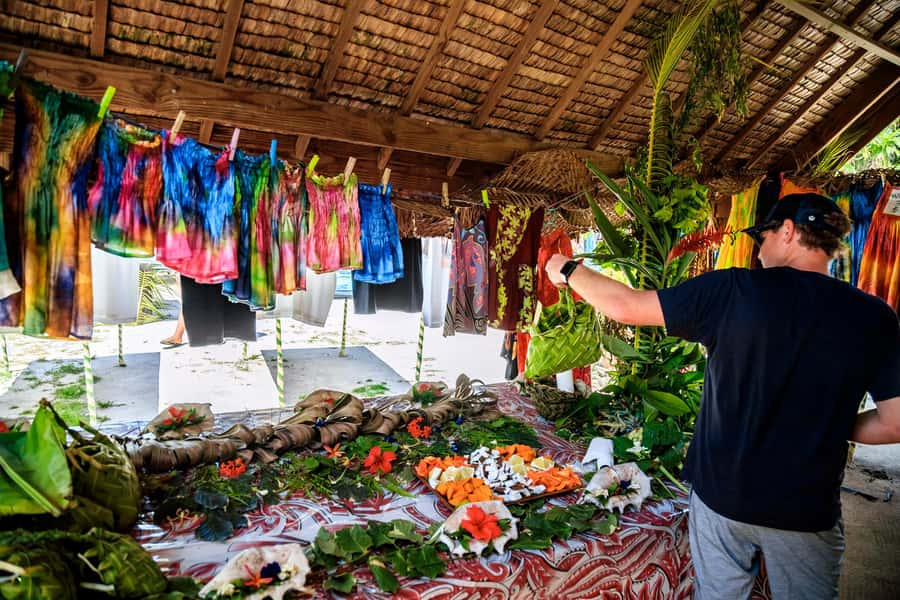
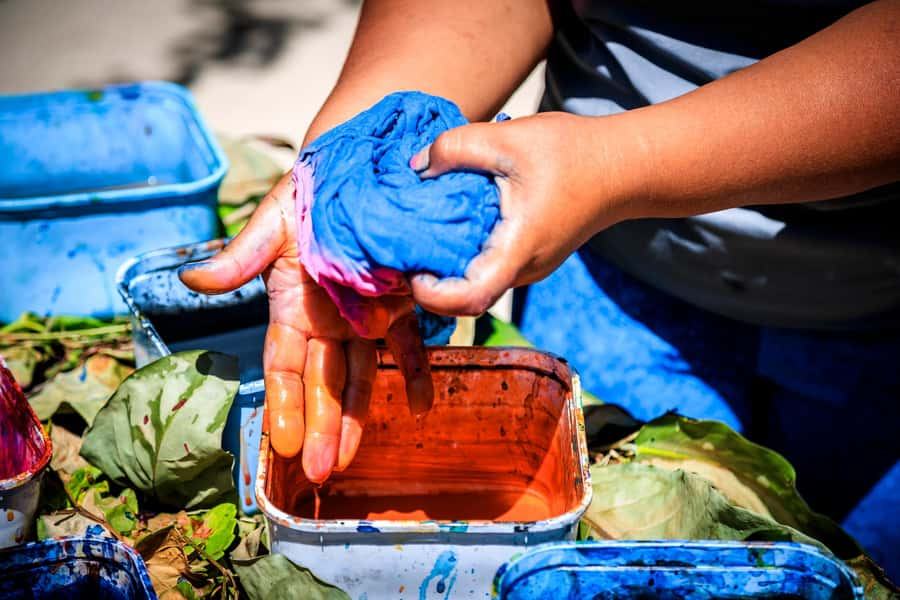
This is the part I’d call the most personal. You head toward Faanui Valley, where you’ll see small fruit plantations and the living, working side of the island. Then you stop at a family-owned pareu-making workshop.
A pareu is the type of traditional wrap sarong you’ll see in Tahitian culture, and here you get a look at how the tie-dye-style fabric is made. The pace is usually relaxed enough to watch without feeling rushed, and it’s the kind of stop where you can ask questions and actually understand the process.
What makes this workshop worth your time is what comes with it:
- You learn about how coconut oil is made.
- You taste local fruits.
- You get to connect the craft to real agricultural life in the valley.
For many people, it’s the difference between a scenic drive and a meaningful cultural moment. You leave with the memory of a family workshop, not just a photo from a roadside pull-off.
Cold towels, fruit tastings, and the small comfort details
Even though this is an off-road adventure, it’s not uncomfortable in the basics. You’ll have bottle water and oshibori cold wet towels during the tour. Those may sound like tiny details, but in French Polynesia heat, they help you stay focused on the day instead of overheating and zoning out.
You’ll also have local fruits. Tasting fruit is an easy win on Bora Bora because so many flavors are directly tied to what grows locally. It’s also a nice contrast to the more story-heavy parts of the tour. You’re listening, riding, then sampling something tangible.
If you’re the type who tends to snack between activities, you’ll probably appreciate the overall food-and-refresh flow. If you’re not sure what you’ll receive at every exact stop, just remember: the listed inclusions are water, cold towels, and local fruits.

Lookout points: why the weather can change everything
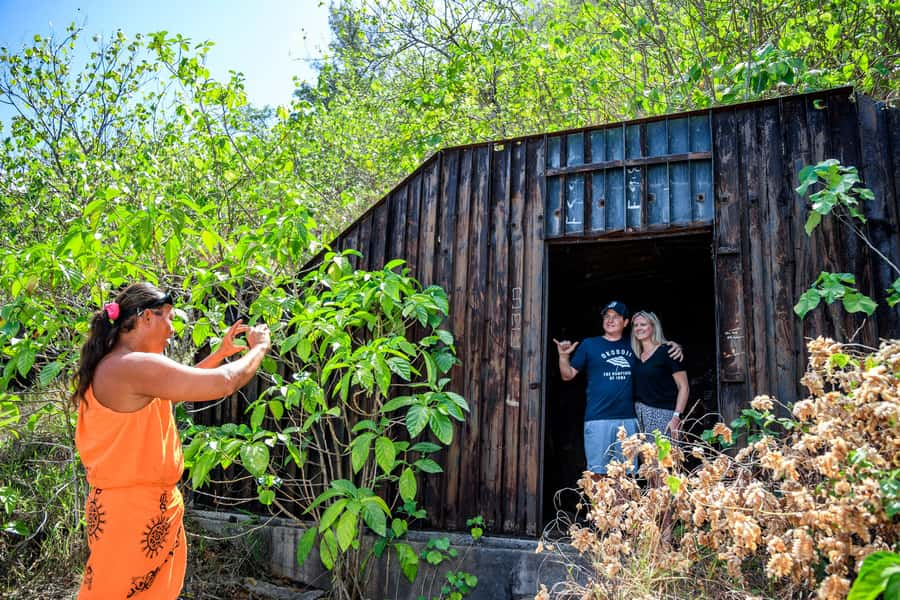
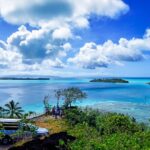
This tour is built around scenic viewpoints, and weather matters. In one case, rain limited what could be seen early on, but a knowledgeable guide still kept the experience interesting. Clouds can soften colors and reduce long-distance visibility, but you may still get great textures—mountain ridges, lagoon edges, and the way light bends around the island.
Here’s how I’d plan it: treat the weather as a wild card and focus on what you can control. Wear comfortable clothes you don’t mind getting damp. Bring sunglasses if you have them, but also be ready to wipe lenses and cameras when humidity rolls in.
If your top goal is a specific, crystal-clear view of the lagoon, the best strategy is to pick a day when you’re not also locked into another tight schedule afterward. That way, if the sky changes, you can still enjoy the tour’s historical and cultural stops without feeling like you missed the main event.
Price and value: $72 for a fast 3-hour hit of land + culture
At $72 per person for a 3-hour tour, you’re paying for something that’s hard to DIY: off-road access to specific lookout spots, guided interpretation of both WWII and ancient traditions, and a scheduled workshop stop.
Is it a long day? No. But value in Bora Bora is often about density—packing in meaningful moments without spending hours on logistics. In this format, the “value math” usually works best if:
- You want a land-based perspective beyond lagoon cruising.
- You like stories tied to real places (not just general facts).
- You want to include a pareu workshop and fruit tasting without planning separate transport.
If you already know you want an extended land day with lots of downtime at each spot, you might feel the time is tight. But if you want a guided overview with memorable stops, this pricing and duration are pretty reasonable for what you’re getting.
What to pack and how to ride comfortably
This tour is short, so packing errors are extra annoying. Here are practical moves based on what’s worked in the field:
- Wear shoes with grip for steep or uneven tracks.
- Skip flimsy flip-flops for the ride segments and any walking.
- Bring a light layer in case wind kicks up on higher viewpoints.
- If you’re prone to motion discomfort, consider that off-road roads can feel bumpy.
One more practical tip: ask questions. The guides named in the feedback—Terie, Deano, Ari, Tamanono, Hery, and Matanono—are praised for communicating and staying engaged. If something catches your attention, odds are you can get a useful answer on the spot.
Pickup timing: where you’ll meet without stress
Your pickup depends on where you’re staying around Bora Bora:
- If you’re around the Matira area, pickup is around 8:30 AM.
- If you’re in Vaitape, you meet at the main pier by the bleu taxi sign at 9:00 AM.
If you’re coordinating with a ferry or cruise schedule, plan to arrive a few minutes early so you’re not standing there in heat wondering where the vehicle went.
Who this tour suits best
This is a great match if you want a guided land day that mixes three things in one go:
1) WWII heritage tied to 1942 American-built sites
2) Tahitian culture with ancient temple and seafaring legends
3) A hands-on craft stop at a pareu-making workshop in Faanui Valley
It’s also ideal for people who like active sightseeing but don’t want a full-day expedition. The group experience works well when you enjoy listening as you go and you don’t need hours at each viewpoint.
Should you book it?
Book the Bora Bora 4WD History & Culture Tour if you want the best “quick dose” of Bora Bora land culture: off-road access, WWII stops you can point to, and a workshop where you see pareu-making and coconut oil, plus fruit tasting. This is the kind of tour that helps you understand Bora Bora as more than a lagoon photo.
Skip it (or swap it for a different plan) if you’re very view-dependent and you need long, uninterrupted time at each scenic location. And if you know you hate rough roads or bumps, take footwear and comfort seriously, because the jeep route can be steep and narrow at points.
If you’re flexible and want a smart mix of story + place + craft in just 3 hours, I’d say this one earns its place on your Bora Bora schedule.
FAQ
How long is the Bora Bora 4WD History & Culture Tour?
The tour duration is 3 hours.
What’s the pickup timing for Matira and Vaitape?
If you’re staying around the Matira area, pickup time will be around 8:30 AM. If you’re in Vaitape, the meeting point is at the main pier by the bleu taxi sign at 9:00 AM.
What languages is the live guide available in?
The live tour guide is available in English and French.
What’s included in the tour?
The tour includes bottle water, oshibori cold wet towels, and local fruits.
What kind of sights will I see during the tour?
You’ll explore WWII sites connected to 1942, hear stories about ancient Tahitian temples and seafaring legends, and visit scenic lookout points accessible by 4×4.
Is this tour cancelable if plans change?
Yes. Free cancellation is available up to 24 hours in advance for a full refund.