REVIEW · DENARAU ISLAND
Wonders of Nadi Tour – Hindu Temple, Sleeping Giant Gardens, Markets & Shopping
Book on Viator →Operated by Excite Tours Travel · Bookable on Viator
One tour, three totally different sides of Fiji. You get markets, orchids, and a Hindu temple in a tight 4–5 hour loop from Denarau. It’s the kind of day that breaks up beach time without turning your schedule into a full-time job.
What I like most is how much you pack in for a moderate price, and how hands-on the cultural stops feel. The guide-led temple time and the market wandering add context, so it’s not just photo stops. I also like the Sleeping Giant Gardens walk—the orchids look special even when the weather turns humid.
One thing to plan for: the temple experience includes dress and shoe rules, and some visitors found the “smart casual” requirement and the provided garments tricky. Also, the orchid area involves walking paths that may include steps or uneven surfaces.
In This Review
- Quick Take: Why This Nadi Tour Works
- Nadi in 4–5 Hours: The Shape of Your Day
- Nadi Produce Markets: Colorful Food, Quick Local Life
- Handicraft Market + Duty-Free Shopping: Souvenirs with a Reality Check
- Sleeping Giant Gardens: Orchid Walk You’ll Still Talk About
- Sri Siva Subramaniya Swami Temple: Colorful Deities, Shoes Off
- Guides Matter: When Commentary Turns Stops into Stories
- Price and Value: What You Pay for (and What You Don’t)
- Logistics That Actually Affect Your Comfort
- Who This Tour Suits Best (And Who Might Skip It)
- Should You Book Wonders of Nadi?
- FAQ
- How long is the Wonders of Nadi Tour?
- Where does hotel pickup and drop-off happen?
- What stops are included?
- Are tickets and admission included?
- Is food included?
- What should I wear?
- Is there anything special about shoes at the temple?
- How big is the group?
- Can I cancel for free?
- Are children allowed?
Quick Take: Why This Nadi Tour Works
- You cover Nadi in one go: produce markets, handicrafts, orchid gardens, and the Sri Siva Subramaniya Temple
- Sleeping Giant Gardens is the payoff with dozens of orchid varieties and a relaxed walking route
- The markets are more than shopping—you’ll see local produce and get the cultural meaning behind everyday items
- Temple time is guided, which really helps you understand the colorful deity art
- Shopping is built in, including a stop that can feel more tourist-oriented (bring a budget mindset)
- Shoes off at the temple means you should think ahead for comfort and hot surfaces
Nadi in 4–5 Hours: The Shape of Your Day
This tour is based out of Denarau Island and runs about 4 to 5 hours total. You’ll get hotel pickup and drop-off if you’re in the Nadi area or at Denarau resorts, plus bottled water and local taxes are included. You’ll also use a mobile ticket, so keep it handy on your phone.
The overall format is simple: short, focused stops. You’re not stuck in long bus rides all day—you’re moving through the parts of Nadi that give you a fast, honest sense of the region. The itinerary includes 1 hour each at the orchid gardens and temple, plus market time spread across about 30 minutes for produce and 1 hour for handicrafts.
The day’s biggest value is that it’s guided. You’ll get explanations of customs and what you’re seeing, and that turns “I walked through a place” into “I understood why this matters.”
You can also read our reviews of more shopping tours in Denarau Island
Nadi Produce Markets: Colorful Food, Quick Local Life
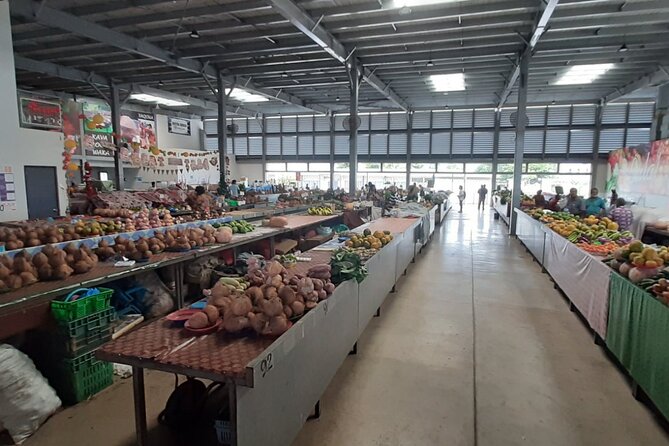
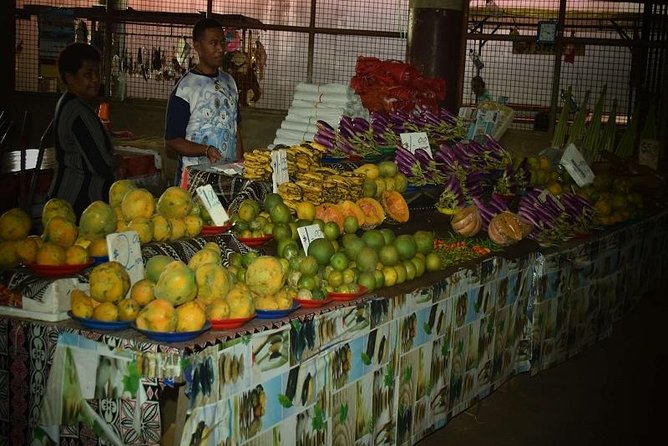
Your first stop is the Nadi Produce Markets, with about 30 minutes to browse and look. This is where you get real Fiji textures: piles of fruit and vegetables, bright colors, and the busy energy of local commerce. If you want a first taste of the island’s daily rhythms, this is a great way to start.
Here’s how to make the most of the short time. Go in with a few “curiosity questions,” even if you just whisper them to your guide. Ask what’s common seasonally, what locals buy most, and what foods are tied to local habits. The guides are there for the explanations, not just the transportation.
One review highlighted learning about kava during market time. So if kava is on your curiosity list, this is the kind of stop where you may get the chance to hear about it and see how it’s handled locally—just don’t expect a full tasting unless your guide provides that moment.
Drawback to consider: 30 minutes moves fast. If you’re the type who likes slow roaming and deep conversations, you may feel rushed unless your guide keeps the group moving at a comfortable pace.
Handicraft Market + Duty-Free Shopping: Souvenirs with a Reality Check
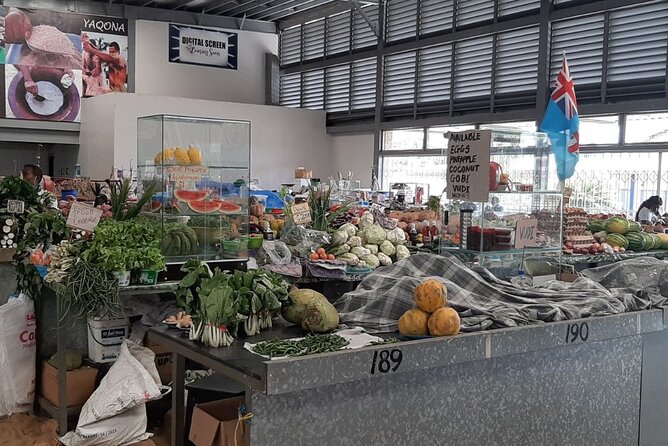
Next up is the Handicraft Market, around 1 hour. This is where you can browse handmade goods and artifacts, and it’s also where some visitors notice a more tourist-friendly shopping angle. The stop is described as a chance to see local handicrafts, but it can include shopping opportunities tied to well-known duty-free setups.
So how do you shop smart here? Treat it like a “scan first” stop. In the first 10 minutes, look for the materials and craftsmanship you actually want—wood carvings, textiles, or small craft items. Then compare prices quickly if you see similar goods in multiple stalls.
Also, keep an eye on budget. A few people have pointed out that not every shopping moment feels purely local. That doesn’t automatically make it bad—it just means you should decide what matters most to you: convenience, selection, or authenticity.
If you’re hoping to leave Fiji with practical gifts, this stop is useful. If you hate shopping stops in any form, you might feel impatient waiting for the next big cultural highlight.
Sleeping Giant Gardens: Orchid Walk You’ll Still Talk About
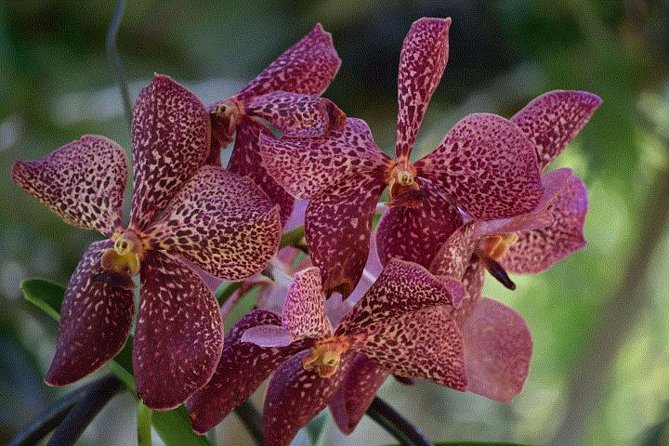
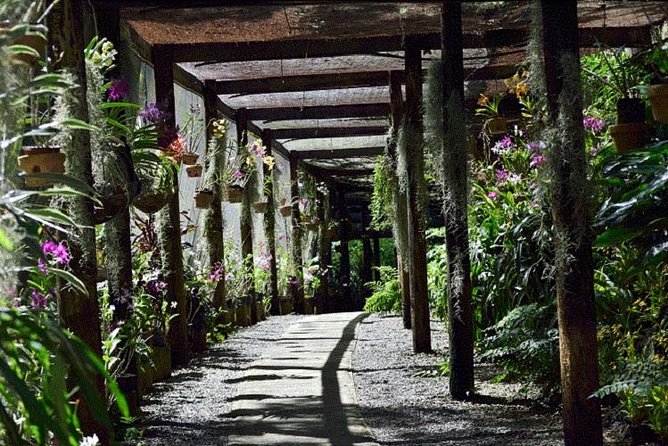
This is the star of the show for many people: the Gardens of the Sleeping Giant. You get about 1 hour here, and the gardens are known for orchids—with reports of 30 to 40 varieties and orchid types such as Cattleya hybrids. The setting matters too: the gardens sit in the cool shadows of two giant mountains, which helps keep the walking experience comfortable compared with open sun.
The walk is the experience. You’ll be strolling through orchid displays and garden paths, taking in fragrance and color, with time to wander. One review said this walk to the viewing platform was the best part of the day, and another noted that umbrellas were available after rain—so weather shouldn’t fully derail the garden time.
A practical tip: wear shoes you’re comfortable walking in. The garden walk can involve stairs and uneven surfaces, and one visitor had trouble descending toward the boardwalk (pebbled stairs were the issue). If you have mobility concerns, ask your guide early what the easiest route is once you arrive.
Sri Siva Subramaniya Swami Temple: Colorful Deities, Shoes Off
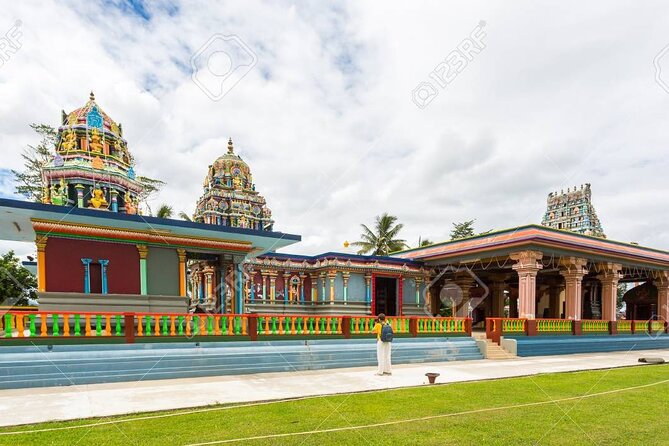
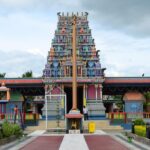
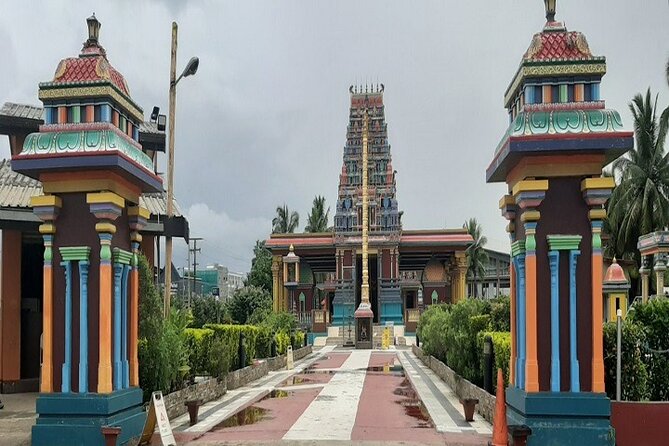
After the orchids, you’ll visit the Sri Siva Subramaniya Swami Temple, described as the largest in the Southern Hemisphere. Expect about 1 hour and a strong visual impact. The temple walls feature paintings and works of art depicting deities, and you’ll learn about the meaning behind the symbolism.
This stop is where the guided commentary really earns its keep. Several reviews praised guides for explaining Hindu customs and the history behind what you see. If you don’t know much about Hinduism, don’t worry—this is the kind of place where the guide can translate the visuals into something you actually understand.
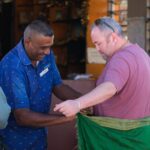
One important consideration: the temple has strict dress and shoe rules. The tour calls for smart casual attire, but reviews added real-world details—temple visitors are shoeless, and you may be given garments to meet requirements. The garments can be limited, and one person mentioned burning bare feet on hot ground. That’s a clear warning sign.
What I recommend you do:
- Wear breathable clothes that still look “smart casual.”
- Plan for shoeless walking—if you’re prone to sensitivity, bring something protective if allowed by your guide.
- If it’s very hot out, consider timing your entrance so your feet don’t bake on exposed surfaces.
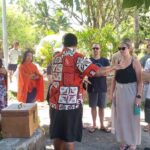
There’s also the chance to witness offerings. One review described a Hindu offering moment where a coconut was chopped in front of the group, which felt meaningful and memorable. You may not catch the exact same moment every day, but you should know the temple isn’t only for viewing—it’s for lived practice.





Guides Matter: When Commentary Turns Stops into Stories
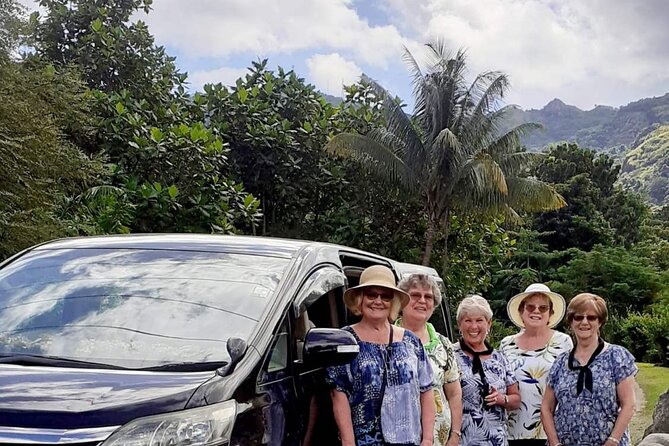
This tour lives or dies on the guide experience. And from the feedback, the guide has been the big win for many people.
Names that came up in reviews include Jason, Mohammed/Mohamad, and Avi. Across those accounts, the theme was consistent: guides were friendly, gave detailed explanations, and handled questions well—sometimes even adding context about Fiji history, customs, and what you’re seeing along the route.
You should also know the schedule can feel flexible. Some reviewers said they had time to shop and explore at a comfortable pace. Others felt certain parts moved too quickly, like not having enough time inside the temple buildings (some areas aren’t allowed to enter). So ask your guide how they plan to pace the stops once you’re on the ground.
If you’re the kind of traveler who likes learning as you go, this is a smart way to spend time in Nadi. If you’d rather wander completely on your own, you might find the guided structure feels a bit restricting—though you still get some browsing time at the markets and wandering at the gardens.
Price and Value: What You Pay for (and What You Don’t)
The listed price is $77.61 per person, and for that you’re not just buying entry tickets. You’re getting:
- Hotel pickup and drop-off (Nadi area and Denarau resorts)
- Bottled water
- Local taxes
- Guided access through the main cultural and garden sites
Also, the itinerary includes admissions for the Sleeping Giant Gardens and the temple. The market stops are listed with free admission as well.
What’s not included: food and drinks. Since you’re out for much of the day and two major stops are around an hour each, bring a plan for when you’ll eat. Either grab something before pickup or budget for a meal near your return.
Is it good value? For many people, yes—because you’re getting a packed route that would be harder to stitch together on your own in a short time. The only caveat is shopping. If you don’t want duty-free or tourist-style browsing, your “value” depends on how much you enjoy the market portions versus the temple and orchids.
Logistics That Actually Affect Your Comfort
This tour is designed for convenience. You get pickup from the Nadi area or Denarau resorts, and you’ll use a mobile ticket. It’s also noted as being near public transportation, but honestly, the whole point is pickup—so you don’t need to figure out local connections for a same-day circuit.
Duration is roughly 4 to 5 hours, so it fits well between resort days. The pacing also matters: produce markets are short, the handicraft market gives a solid block of time, and the temple and gardens each get a full hour.
Dress code is smart casual. And remember the temple reality: even if your outfit is fine, you still need to handle shoes-off requirements and limited garment availability. This is the moment where comfort can either help your day—or quietly ruin it. Plan for it.
Group size is capped at a maximum of 100 travelers, though reviews mention that some groups can be small and feel more personal. Either way, expect you’ll be in a group setting with a guide leading timing and movement.
Who This Tour Suits Best (And Who Might Skip It)
This is a strong fit if:
- You’re staying around Denarau and want a low-stress way into Nadi
- You want culture + gardens + markets without planning transport
- You like guided explanations, especially for temple art and customs
- You’re trying to see a lot in a short Fiji window
It may be less ideal if:
- You hate shopping stops or duty-free-style browsing
- You want lots of time inside temple buildings (some areas may be restricted)
- You have mobility issues that make stairs or uneven paths hard (especially in the gardens)
- You’re picky about comfort around shoeless walking in hot conditions
A key point: Nadi itself can feel less polished than resort areas. One review put it bluntly as a grittier town with limited redeeming features. The trade-off is that the tour’s structure pulls you toward the best parts—orchids and temple culture—while using markets as a quick local lens.
Should You Book Wonders of Nadi?
I’d book this tour if you want a practical “Fiji sampler” day that mixes Nadi markets, a major Hindu temple, and the Sleeping Giant orchid gardens—with pickup from Denarau and guided context that makes photos mean more than just pixels.
I’d think twice if you’re sensitive to shopping stops or if shoeless temple access could be a comfort problem for you. The good news is you can prepare: dress smart, plan for shoe rules, and wear walking-friendly items for the garden paths.
For many people, the orchid gardens and the guided temple explanations are the lasting memories. If those are the parts you want most, this tour hits them in one efficient run.
FAQ
How long is the Wonders of Nadi Tour?
The tour runs about 4 to 5 hours.
Where does hotel pickup and drop-off happen?
Pickup and drop-off are offered for the Nadi area and for Denarau resorts.
What stops are included?
You’ll visit the Nadi Produce Markets, the Handicraft Market, the Gardens of the Sleeping Giant, and the Sri Siva Subramaniya Swami Temple.
Are tickets and admission included?
Admission is included for the Gardens of the Sleeping Giant and the Sri Siva Subramaniya Swami Temple. The market stops list free admission.
Is food included?
No. Food and drinks are not included.
What should I wear?
The dress code is smart casual.
Is there anything special about shoes at the temple?
The temple is shoeless, and reviews mention garments may be provided for visitors, but supplies can be limited.
How big is the group?
The tour has a maximum of 100 travelers.
Can I cancel for free?
Yes. Free cancellation is available if you cancel at least 24 hours in advance for a full refund.
Are children allowed?
Children must be accompanied by an adult.