REVIEW · DENARAU ISLAND
Valley of a Thousand Hills
Book on Viator →Operated by Tourist Transport Fiji Limited · Bookable on Viator
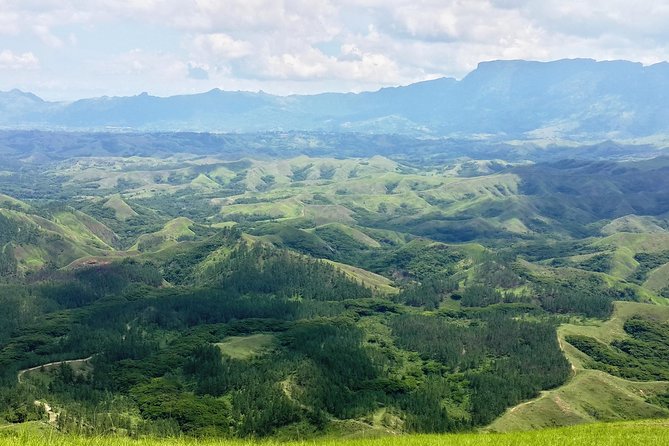
The Nausori Highlands give you big views fast. This half-day 4×4 tour takes you up to about 2,000 feet (607 m) for sweeping sightlines over Nadi Bay, the Mamanuca Islands, and the Valley of a Thousand Hills. I like that the route isn’t just postcard overlooks; you also get a close-up look at everyday rural Fiji, including traveling with farmers who move along with traditional oxen.
Two things I especially like: first, the summit views that stretch across multiple island groups, including the Mamanuca and even toward the Yasawa Islands when weather cooperates. Second, the mix of stops is smart for a short day—temple culture followed by a practical local market stop where you’ll see what people actually buy and cook with.
The main drawback to think about is physical comfort. You should have moderate fitness, and you’re riding up on roads that are often gravel or uneven, so this is better for people who don’t mind a bit of bouncing.
In This Review
- Key things to know before you go
- The 4×4 Highlands climb to the Valley of a Thousand Hills
- What you’ll see from above
- Stop 1: Nausori Highlands timing and what to bring
- Sri Siva Subramaniya Swami Temple: a major stop in a small window
- How to get the most out of your visit
- Nadi Produce Markets: the practical culture stop people remember
- What you’ll get out of it
- The guide and vehicle: small group comfort matters
- Price and value: is $70.55 a good deal for what you get?
- Weather, roads, and who this tour fits best
- Quick practical checklist (so the day feels easy)
- Should you book the Valley of a Thousand Hills tour?
- FAQ
- What time does the tour start?
- How long is the experience?
- Where does the tour operate?
- Is pickup included?
- What stops are included?
- Are admission tickets included?
- What’s the group size?
- Do I need good physical fitness?
- Does the tour require specific weather?
- Is there free cancellation?
Key things to know before you go
- 4×4 up the Nausori Highlands for panoramic views from roughly 2,000 feet (607 m)
- Big-scope scenery across Viti Levu and out toward the Mamanuca and Yasawa islands (weather-dependent)
- Rural roadside moments including sharing the road with farmers using traditional oxen
- Sri Siva Subramaniya Swami Temple: the largest Hindu temple in the south Pacific, designed by architects from India
- Nadi Produce Markets: a quick, colorful stop focused on local vegetables and friendly local conversation
- Small group size with a max of 4 travelers, so it can feel personal if your group is small
The 4×4 Highlands climb to the Valley of a Thousand Hills
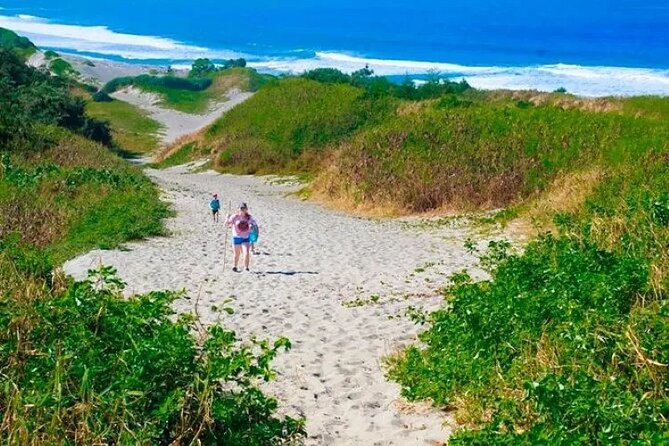
This is the kind of tour I recommend when you want real variety without giving up your whole day. Starting at 9:00 am, you’ll head up into the Nausori Highlands on a 4-wheel-drive route, with about 2 hours assigned to the highland time. The payoff is the summit elevation—about 2,000 feet (607 m)—which is high enough to make the views feel wide and clear, even if you’re not hiking for hours.
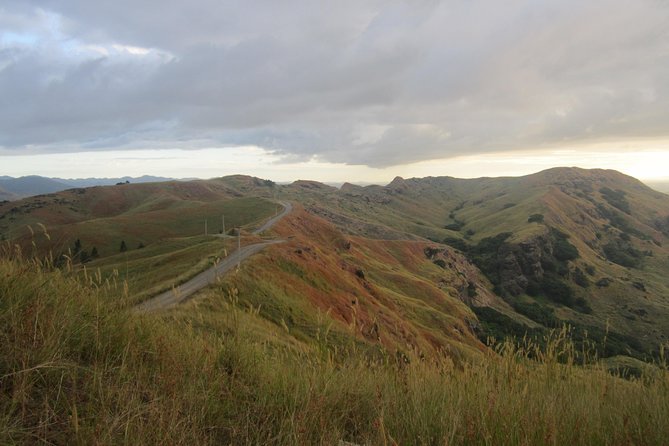
What makes this drive special is that it’s not just scenery from a bus window. You’re sharing the road with farmers who travel using traditional oxen, so the trip shows you Fiji as a living place, not only a backdrop. One review noted that the experience is mostly on gravel roads, which lines up with what you should expect when going up into the highlands. Bring that mindset: expect a bit of dust, take your time getting comfortable, and enjoy the slower pace.
You can also read our reviews of more tours and experiences in Denarau Island.


What you’ll see from above
From the top, the tour focuses on uninterrupted views of the Mamanuca Island groups and the Valley of a Thousand Hills. The name fits what you’re looking for: a rolling patchwork of hills and ridgelines that looks like a thousand repeating forms, especially once the light hits. The route is also described as offering views over Viti Levu and out from Nadi Bay. If conditions are clear, you can even catch sightlines toward the Yasawa Islands.
One person specifically called out the view facing the sleeping giant hills system. Even if your exact angle is different, it’s a good clue that the highlands viewpoint is aimed at dramatic, recognizable shapes in the terrain—not a random lookout.
Stop 1: Nausori Highlands timing and what to bring
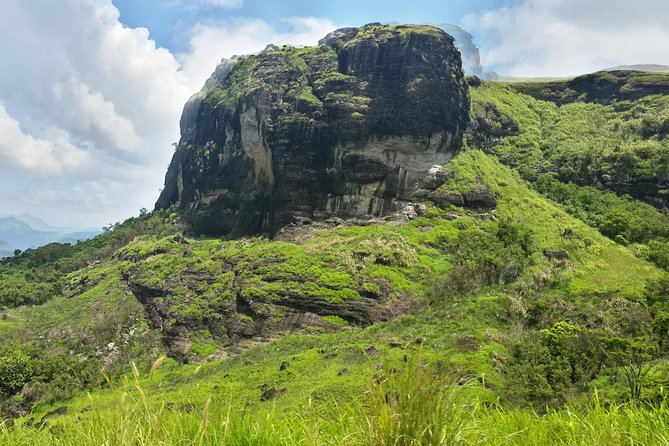
This leg is about 2 hours, and that’s a sweet spot. You’re not rushed through the best viewpoints, but you’re also not stuck up top long enough to get bored. Because you’re climbing, you might feel a gradual temperature shift compared with the coast—cooler up high can be a relief in Fiji’s heat.
For what to bring, I’d keep it simple:
- A light layer just in case it’s breezier at the viewpoint
- Sunglasses and sun protection, because you’ll be looking outward for long stretches
- Comfortable shoes for short walks and getting in and out of the vehicle
If you’re sensitive to rough roads, know that the trip can be jolty. The best strategy is to come in calm, expect movement, and don’t treat it like a smooth city drive.
Sri Siva Subramaniya Swami Temple: a major stop in a small window
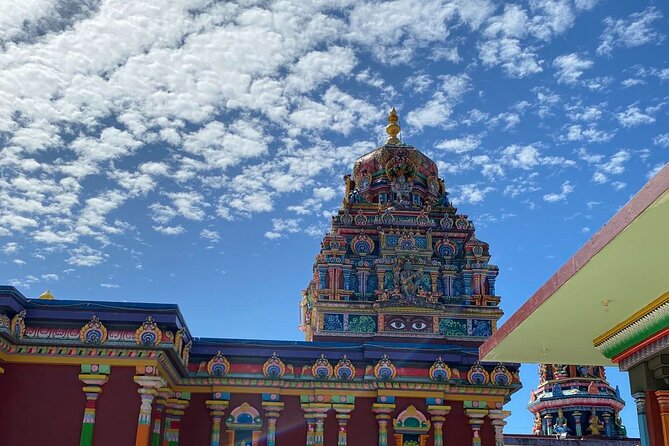
After the highlands, you’ll head to the Sri Siva Subramaniya Swami Temple, with about 15 minutes on site. It’s short, so you’ll want to arrive ready to take in the biggest features rather than trying to see everything in a few minutes.
Here’s what matters for value: this is described as the largest Hindu temple in the south Pacific, and it was built by architects from India. That detail is useful because it helps you understand why the temple is a destination and not just a quick photo stop. The architecture and design reflect a formal, meaningful approach rather than being a small roadside shrine.
How to get the most out of your visit
With only 15 minutes, your best move is to focus on:
- The main visual areas you can see quickly when you arrive
- Observing the space calmly, before you start moving around for photos
- Looking for the temple’s layout cues so you don’t feel lost for time
If you’re the kind of traveler who likes to understand what you’re looking at, this is also a great moment to slow down and notice how religious spaces organize attention—light, symmetry, and where people gather.






Nadi Produce Markets: the practical culture stop people remember

Next up is the Nadi Produce Markets, about 30 minutes. This is one of my favorite types of stops: it’s not built around a performance. It’s where you can see what’s fresh, what’s seasonal, and how locals think about food.
The tour description highlights that you’ll see colorful produce and get a chance to meet friendly locals. You’ll also learn about different kinds of vegetables sold here. That “learn” part is important—markets can be hit-or-miss, but in this format, you’re not just browsing. You’re getting some basic context so the sights make sense.
What you’ll get out of it
In half an hour, you can realistically:
- See a range of vegetables and compare what you recognize with what’s new to you
- Pick up a few names that help you when you’re later ordering meals
- Feel how day-to-day shopping works in Fiji, which is often more interesting than another scenic viewpoint
Even if you don’t plan to cook, this stop helps your trip feel grounded. It turns the day from “look at places” into “understand how people live.”
The guide and vehicle: small group comfort matters
This experience is operated by Tourist Transport Fiji Limited, and the tour mentions pickup offered with a hotel or port pickup from Viti Levu included. For many travelers staying around Denarau, that reduces friction. You’re not spending time coordinating your own ride to the starting points.
The group size is capped at 4 travelers, which is a big deal for a short, half-day itinerary. A smaller group generally means:
- Quicker adjustments if timing changes
- A better chance for your guide to answer questions
- Less crowd energy at the temple and market
One review highlighted that the trip turned into a private-feeling outing because only the person booking was in the group, and the driver made them feel welcome. Another review specifically named Deepak from Tourist Transport Fiji and praised how considerate and helpful he was. That’s a reminder that the guide can seriously shape the experience, especially on routes where you’ll want help spotting what to look for.
Price and value: is $70.55 a good deal for what you get?

At $70.55 per person (for a roughly 4-hour experience), this tour sits in the category of “small splurge, big payoff.” The best value element is that you’re paying for transportation up into the highlands by 4×4, plus entry/admission included for all the main stops.
From a budgeting perspective, you’re getting three different kinds of experiences in one run:
- A scenic drive and summit viewpoint up in the Nausori Highlands
- A major religious/cultural stop at a landmark temple
- A hands-on local market visit that connects you to everyday life
If you’re doing a tight Fiji schedule and want to avoid stacking multiple half-days, this package-like structure is what makes the price feel reasonable. If you’re only interested in one thing—say, just the view—then a basic local taxi might seem cheaper. But you’d lose the integrated cultural stops and the convenience of pickup plus guided timing.
Weather, roads, and who this tour fits best
This experience notes that it requires good weather. That matters because visibility is a huge part of the highlands payoff. If the day is cloudy or rainy, you might not get the same “uninterrupted” sightlines over the islands.
Road conditions are another reason to set expectations. The tour includes a highland drive and you may be on mostly gravel roads, so it’s not the best choice if you have strong sensitivity to bumps.
This tour fits best if you:
- Want dramatic views but don’t want to commit to a full-day hike
- Enjoy cultural stops that are short but meaningful
- Like practical local experiences like a produce market
- Prefer smaller-group comfort over large tour buses
It’s less ideal if you have limited patience for uneven roads or if you need very long, unhurried time at each stop.
Quick practical checklist (so the day feels easy)
A few things will make the 4 hours smoother:
- Sun protection for the highlands viewpoint
- A light layer in case it’s cooler or breezy at elevation
- Snacks and water if you tend to get hungry quickly (the time split is short at temple and market)
- Come ready for short stops—the temple is 15 minutes and the market is 30 minutes, so move efficiently
Should you book the Valley of a Thousand Hills tour?
I think you should book this tour if you want a compact Fiji day that combines big viewpoint time with culture and local food life. The key strengths are the highland summit views (including Mamanuca out to the Yasawas when conditions allow) and the small group format, which can make it feel welcoming and less hectic.
Skip it or rethink if you’re planning a day that depends on perfect weather for island visibility, or if gravel roads will be a major discomfort for you. Otherwise, this is a smart choice for travelers based on Denarau who want to see beyond the coast and still be back with time for dinner plans.
FAQ
What time does the tour start?
The start time is 9:00 am.
How long is the experience?
It runs for about 4 hours (approx.).
Where does the tour operate?
The location is Denarau Island, Fiji, with pickup from Viti Levu offered.
Is pickup included?
Yes. Hotel or port pickup from Viti Levu is included.
What stops are included?
You’ll visit the Nausori Highlands, the Sri Siva Subramaniya Swami Temple, and the Nadi Produce Markets.
Are admission tickets included?
Yes. Admission tickets are included for each stop listed in the itinerary.
What’s the group size?
The tour has a maximum of 4 travelers.
Do I need good physical fitness?
The tour calls for moderate physical fitness.
Does the tour require specific weather?
Yes. It requires good weather, and if it’s canceled due to poor weather, you’ll be offered another date or a full refund.
Is there free cancellation?
Yes, you can cancel for a full refund up to 24 hours before the experience starts.